Redefining the Norms of Surgery for Pectus Excavatum
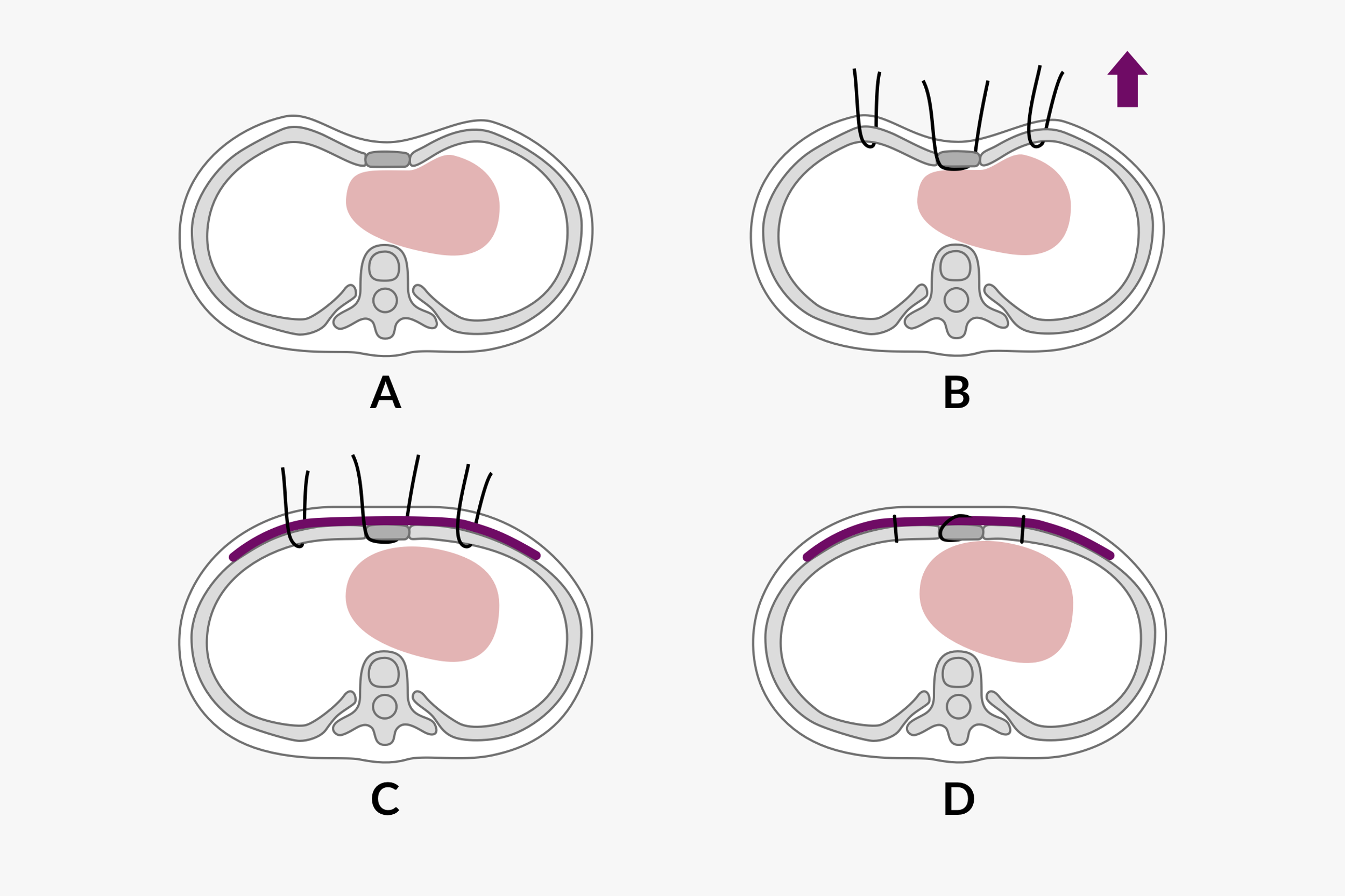
Every year, thousands of individuals diagnosed with pectus excavatum seek solutions to improve their quality of life. The traditional approaches have often led to frustration and uncertainty. Imagine a 17-year-old navigating the emotional turmoil of a pectus excavatum condition, feeling like their chest may not ever protrude the way they want it to. Now, with the innovative surgery for pectus excavatum, patients find hope in a more effective technique. Data show that the Wang Procedure not only reduces recovery time but also enhances surgical outcomes significantly. Is it time we reconsider our approach to treating this condition? Let’s dive into the details and discover why this method is revolutionizing pectus excavatum treatment.

The Flaws of Traditional Solutions
Despite advancements in medical technology, traditional pectus excavatum surgeries have some notable flaws. Many procedures, such as the Ravitch technique, can result in extended recovery times and postoperative complications. This can leave patients grappling with pain management and lengthy rehabilitation processes. Look, it’s simpler than you think—at a time when minimally invasive solutions are becoming the norm, sticking with outdated methods seems counterintuitive. Key terms like “thoracoscopic” and “chondrectomy” become stumbling blocks rather than stepping stones for patients looking for clarity. So, what about the hidden pain points? Often, the emotional and psychological impact of enduring a prolonged recovery is overlooked, leaving patients in a cycle of despair rather than hope. As we peel back these layers, the Wang Procedure appears as a beacon of hope.
What Lies Ahead for Patients?
Embracing Innovations in Pectus Excavatum Surgery
Looking forward, the approach to pectus excavatum surgery is shifting dramatically. New technology principles are making waves. With techniques that involve less invasive maneuvers and cutting-edge imaging, surgeons can now perform procedures with greater precision and speed. Consider the case of a recent Wang Procedure patient who was back to their daily routine within weeks instead of months. This not only impacts physical recovery but also allows for faster psychological rehabilitation. The emphasis is on minimizing stress and maximizing success rates, and as more practitioners adopt these methods, the outlook seems bright. It sparks curiosity: can we ultimately redefine expectations for surgical recovery? The answer may very well lie in the continuous adaptation of surgical practices.
Real-world Impact of the Wang Procedure
Reflecting on the majority of surgical options in the market, the Wang Procedure’s success brings key insights. Its minimally invasive nature translates to quicker recoveries and tangible improvements in patients’ emotional well-being. Remember, rapid recovery isn’t just about physical health—it’s about regaining spirit and confidence. Patients who undergo the Wang Procedure can enjoy active lifestyles sooner, paving the way for social engagement and personal growth. Evaluating future surgeries based on their effectiveness, safety, and emotional impact will be crucial for patients eager to enhance their quality of life. As we advance, options like the Wang Procedure redefine not just treatments but the entire patient experience. For anyone serious about addressing pectus excavatum, considering leading solutions is advisable. It’s all about making choices that not only heal but also inspire. As we observe these developments, the impact that pioneering organizations like ICWS have on patient care cannot be understated.