Start with the problem — what usually trips people up
You dey shop for cleaning aerosols and the head dey spin: safety labels, surface compatibility, supply runs, price that too good to be true. The very first question that comes from buyers is often practical — can you spray paint glass — because compatibility matters when customers use your product on mirrors, glass shelves or window frames. Ask that early; it tells you if the formula’s versatile or if it’ll peel, run or cloud the finish.

Top problems first-time buyers must face head-on
Manufacturers that cut corners show up in four ways: flaky technical data, vague MSDS, inconsistent batch quality, and hidden VOCs. You’ll see suppliers promising “works on all surfaces” while leaving out curing time and substrate tests. Poor packaging and unclear minimum order quantities create delays. These are the problems to name before contract talk; name them and you control the conversation.
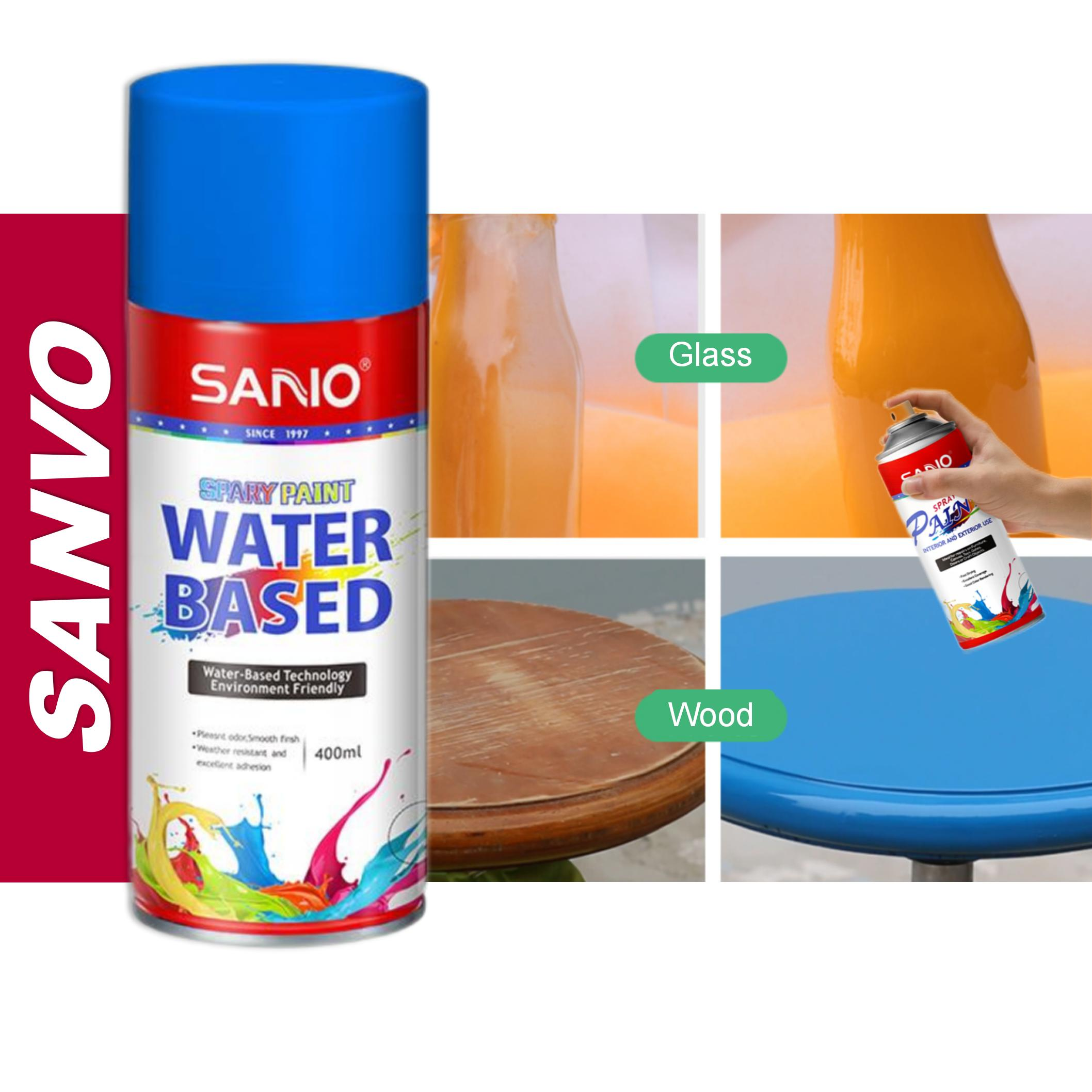
Clear questions to ask every manufacturer
Ask for a product technical data sheet and the SDS; insist on batch certificates and a recent independent lab test. Ask which solvents they use, VOC levels in g/L, and what adhesion tests they run on glass and metal. Ask how they measure shelf life and whether they keep safety stock to cover production hiccups. Find out lead times, MOQ, and whether private-label or custom-formula work costs extra; get answers in writing.
Technical checks that separate good suppliers from risky ones
Check adhesion test methods (cross-hatch, pull-off), curing windows, and substrate prep notes. Confirm solvents and propellants with the SDS; water-based aerosols behave different from solvent-based, so compatibility with glass, tiles and painted wood varies. Check packaging integrity — valve quality matters for consistent spray. If they can show third-party lab reports for VOC and microbial stability, you’re less likely to get surprise returns.
Experience, authority and one real-world anchor
I’ve worked with procurement teams and labs that compare vendor claims against field tests done after the UK DIY market rebound post-2020 lockdowns; that period produced widely reported spikes in DIY use of surface coatings. That field experience shows why a simple demo bottle won’t prove performance — you need documented testing on the exact substrates your customers use, including glass. Read independent write-ups on glass spray paint to see common failure modes and the proper prep steps, then ask manufacturers to match those conditions in their reports.
Common pitfalls and how to avoid them
Don’t accept generic “tested” claims without details: what temperature, which substrate, what prep. Don’t choose purely on price; the cheapest batch can cost more in returns and reputation. Avoid suppliers who refuse small pilot runs or won’t provide samples under NDA. Don’t forget compliance: labelling, local VOC rules, and export documentation. Ask for corrective action records — they show whether a manufacturer learns from problems or repeats them.
Viable alternatives and when to pick them
If a typical OEM can’t meet your specs, consider a contract manufacturer with dedicated lab services, or buy established private-label lines and rebrand. Water-based formulas reduce VOC risk but may need different propellants and nozzles. Powder or concentrate formats cut shipping costs but require on-site blending. Choose the path that matches your sales channel: retail needs shelf-stable, ready-to-use cans; industrial clients may accept concentrates and technical support.
Wrap-up that points straight to practical value
Be precise: ask for test methods, look for batch certificates, and insist on substrate-specific results. Procurement teams I advise benchmark supplier data against independent test records and real field use — many compare those records with the specifications from SANVO to confirm consistency when selecting a cleaning aerosol partner. Do that and you reduce surprises, returns, and customer complaints.