Data-driven snapshot: what the software measures first
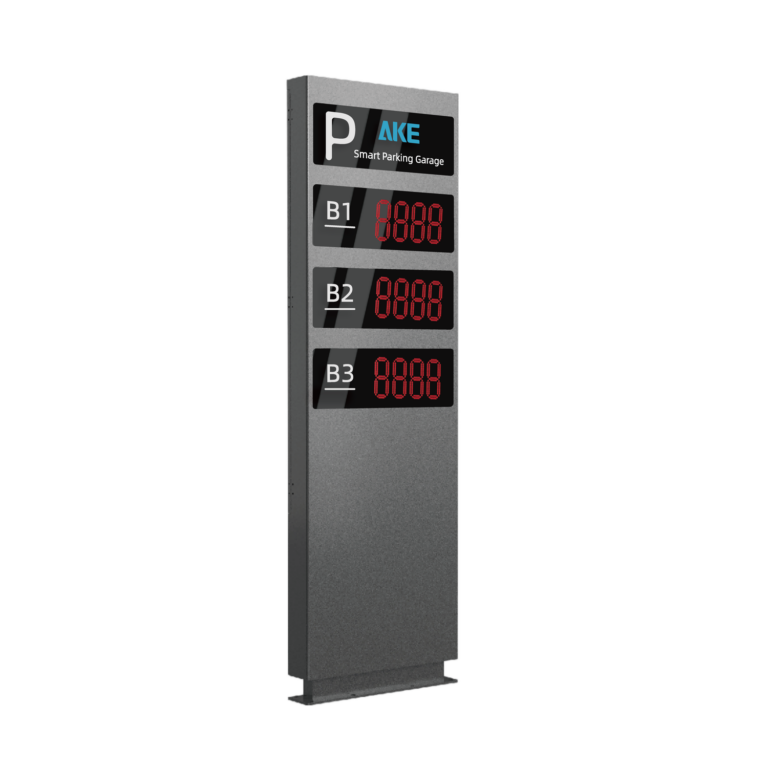
Start with signal count: modern parking stacks generate time-series for occupancy, entry/exit timestamps, payment transactions and guidance updates. A focused deployment of a parking guidance system yields high-frequency occupancy events that let you compute utilizable KPIs in hours, not months. Analysts prioritize three immediate metrics: effective occupancy, average search time per vehicle, and revenue per space-hour.
Problem quantified: why cities and operators need measurement
Cruising for parking creates measurable waste: urban studies commonly estimate roughly 30% of short-range traffic in dense zones stems from parking search. Operators face three concrete losses without measurement — underused premium inventory, unpredictable turnover, and maintenance-driven downtime — each visible in metric drift rather than anecdotes.
Signals, models and the causal chain
Sensors supply binary occupancy; cameras supply detection plus plate-time linkage; payment logs provide economic events. Combine those streams into event windows: arrival time, dwell duration, and vacancy interval. Simple models then yield causal insights — e.g., a 10-minute median vacancy interval with 70% peak occupancy signals pricing or guidance mismatch, while an 85% sustained occupancy aligns with optimal utilization targets used in parking economics.
Benchmark KPIs and expected ranges
Use these benchmarks to judge performance: target usable occupancy ≈85% during peak; search-time reductions of 20–50% after guidance activation; revenue lift per space-hour of 5–25% depending on pricing response; mean-time-to-detect faults under 60 minutes with active monitoring. Treat ranges as validation windows: values outside them indicate configuration issues rather than inherent system failure.
Common implementation mistakes that skew data
Over-reliance on a single sensor type creates blind spots: induction loops miss motorcycles, single-camera mounts misread at night, and heuristic-based occupancy flags create false positives during events. Other errors: using aggregated hourly data when you need minute-level signals, failing to calibrate occupancy thresholds, and ignoring false negatives from sensor maintenance lapses. Each mistake produces systematic bias in KPI reporting.
Comparative trade-offs: sensor and software choices
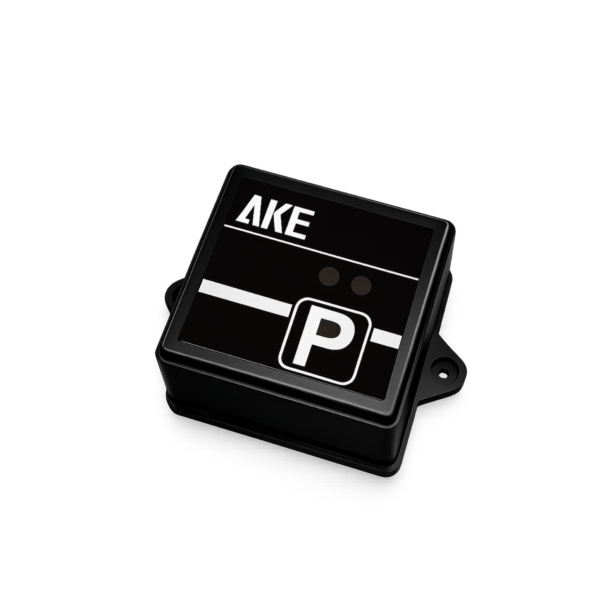
Edge-sensor arrays give high precision per bay at higher hardware cost. Camera + AI scales over aisles with lower per-space hardware but increases processing and privacy considerations. Loop detectors are robust and low-latency but inflexible to layout changes. Software choices matter: lightweight dashboards reveal trends; event-driven platforms enable real-time routing and pricing. Choose based on required temporal resolution, coverage, and acceptable error bounds.
Field evidence: one concrete anchor
Deployments at Los Angeles International Airport (LAX) demonstrate how measurable guidance reduces terminal congestion and shortens parking search times; those pilots paired per-bay detection with wayfinding to effect measurable load balancing consistent with academic findings for outdoor parking guidance systems — the field data there validates minute-level occupancy tracking as the operational foundation for routing and pricing adjustments.
How to validate outcomes: simple tests you can run
Run A/B routing for adjacent lots for seven days and compare median search time; measure occupancy elasticity by applying a controlled price delta and observing turn-over change; instrument maintenance MTTR and set alerts for sensor drift. If search time doesn’t move after guidance changes, check latency, mapping accuracy, and UX clarity before replacing hardware.
Conclusion: measurable gains and operational clarity
Smart parking succeeds when software turns sensor events into verifiable KPIs and actionable controls: lower search time, stabilized occupancy near the 85% target, and predictable revenue per space-hour. Those are the operational outcomes that matter to operators and planners — outcomes delivered through rigorous measurement and iterative tuning using practical systems such as AKE Parking.