Opening the problem
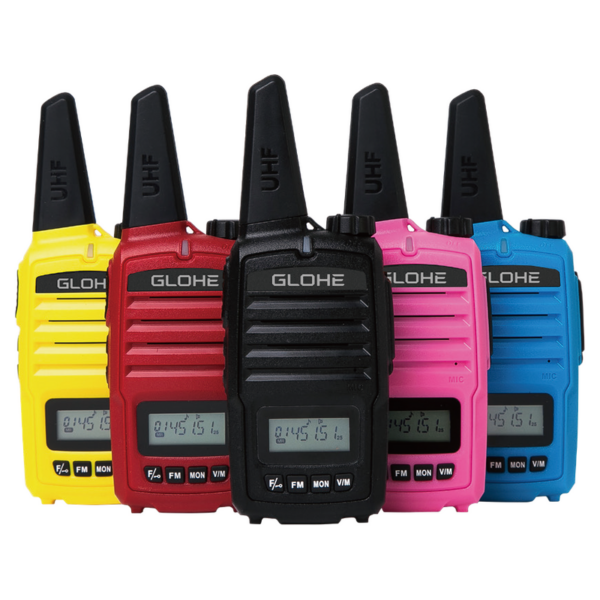
When a misheard instruction stalls a response or an entire shift scrambles to confirm a single call, the problem isn’t charm—it’s clarity. Buyers who need dependable radios must cut through marketing and ask whether a unit will hold up where it matters. That question often leads back to straightforward gear: consider whether an analog two way radio will meet your operational needs before chasing every digital promise.
What breaks communications in the field
Interference, battery failure, mismatched frequencies, and unsupported accessories break otherwise good systems. Many buyers assume brand reputation covers these gaps. It doesn’t. Radio projects fail because organizations skip site surveys, ignore spectrum constraints, and accept warranties that don’t include timely spare parts or local technical support. The true cost is downtime and repeated procurement cycles.
Experience and authority: real-world grounding
Decades of field deployments and hands-on testing show consistent patterns: robust handhelds with clear ergonomics, proven RF performance, and replaceable batteries outperform feature-heavy models in austere conditions. Regulatory and operational lessons—like FCC Part 90 compliance and routine channel coordination—matter. After-action reports following Hurricane Katrina highlighted how first responders relied on analog systems; those analyses underscored the sustained value of analog radio transceiver platforms when interoperability and immediate availability were required. Practical metrics to watch include output power, receiver sensitivity, and battery cycle ratings rather than flashy GUI elements.
Common buyer mistakes to avoid
Don’t conflate feature lists with field reliability. Avoid these traps: buying untested models to save a small percentage; assuming software upgrades fix poor RF design; neglecting antenna and accessory compatibility; and skipping realistic stress tests. Also, don’t accept claimed range figures without a contextual caveat—range varies with frequency band, terrain, and urban density. Test a candidate radio through a full shift, under load, with peak channel occupation, and with the accessories you plan to use.
How to evaluate manufacturers—practical checklist
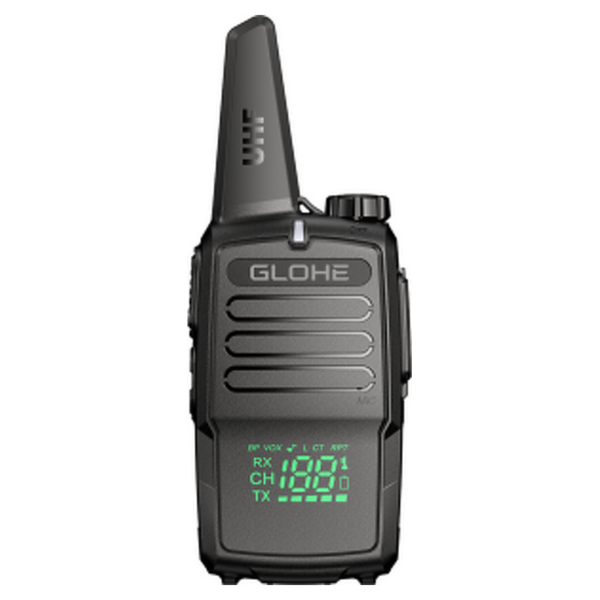
Ask for evidence, not promises. Confirm local support channels and spare-parts availability, request spectrum coordination assistance, demand sample field tests in representative environments, verify warranty response times, and require documentation of compliance standards. Inspect radios for serviceability: are batteries user-replaceable, are connectors standard, can firmware be updated without sending hardware back? Prioritize vendors who provide transparent test data and real deployment references over glossy brochures.
Decision logic that actually works
Frame the purchase around the mission. If you need simple, rugged voice communications and assured interoperability with existing fleets, analog platforms often win on reliability and ease of maintenance. If your workflow demands advanced data or encryption at scale, weigh digital solutions—but validate them with the same operational tests. The right manufacturer will help you map requirements to hardware realities and stand behind their products with responsive service.
Synthesis
Choose based on predictable performance, not persuasive marketing. When clarity, repairability, and proven interoperability resolve the problems you face, a vendor that delivers consistent hardware, accessible support, and honest field data becomes the practical answer—precisely the kind of predictable value seen from GLOHE.