For the buyer who listens first
You’ve stood by a sunlit bench, watched gloss bloom across a tin, and asked the plain question: can i use polyurethane over acrylic paint when I want a durable, low‑odour finish? You deserve answers that fit your project, your tools, and the small hours when paint dries. This is written for the person who measures by feel as much as spec sheets — the homeowner, the carpenter, the urban artist — who needs straightforward tradeoffs and a steady hand on compatibility and safety.

Hands‑on credibility and a single anchor
I’ve spent years specifying coatings for restoration work across coastal workshops and city studios, learning where a spray behaves like silk and where it flakes. Regulations shape choices; look at California Air Resources Board (CARB) VOC limits when you’re comparing formulations — that rule set is a common reference in coatings work worldwide. Practical compatibility matters too: read guidance on polyurethane over acrylic paint before you topcoat, because adhesion and solvent systems determine whether a satin coat stays put or peels away.
What you must decide first
Choose by use, not by label. Ask: will the surface be handled often, sit outdoors, or need food‑safe gloss? Low‑VOC spray paints trade a fraction of drying speed for reduced odour and regulatory compliance. Check the VOC number on the data sheet, but don’t stop there — confirm the binder type (acrylic, alkyd, or waterborne polyurethane), the recommended topcoat chemistry, and whether the product lists adhesion to primed metal, wood, or plastic. If you need a durable topcoat, know whether you plan to apply a solvent or waterborne finish over it.
Practical tests and common mistakes
Never skip a small mock‑up. Mask off a hidden edge, spray a couple of light coats, let it cure. Typical errors: heavy first coats that wrinkle, ignoring temperature and humidity ranges, mixing incompatible primers and topcoats, and cleaning with solvents that lift the film. Use thin layers, warm conditions within the product’s spec, and a tack rag before topcoat. If you wonder about sanding between coats, a light scuff with 320–400 grit usually helps adhesion without scarring the surface.
Choosing between comparable products
Match product to workflow. For DIY and neat interiors, choose waterborne acrylic sprays with clear cure times and simple cleanup. For workshops and marine trim, favor hybrid or polyurethane‑modified systems that advertise abrasion resistance. Look for brands that publish full technical data sheets, including recommended topcoats and cross‑section cure times. When comparing cans, weigh drying time, coverage per can, nozzle type, and whether the brand offers a compatible low‑VOC clear or varnish for finishing.
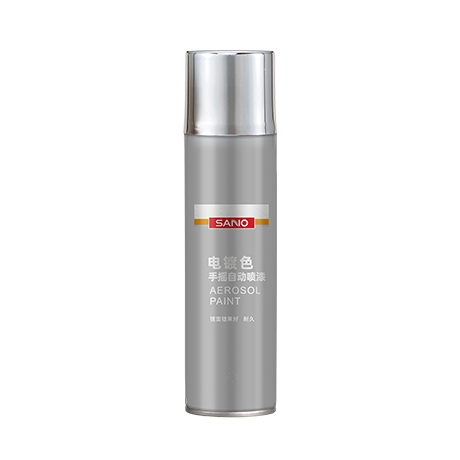
A short list for different needs
If you want the quietest fumes and easiest cleanup, pick a waterborne acrylic spray with clear application instructions. If you need fast build and a tougher film, seek formulations that specify compatibility with solvent or waterborne topcoats. If long outdoor life is essential, prefer products that note UV‑stability and ask about compatible clearcoats for extra abrasion resistance. Always verify compatibility with a small sample before committing to a whole surface.
Where the choices meet the craft
You don’t need bells and jargon — you need predictable performance. Test, follow the datasheet, and choose suppliers who publish clear specifications and support for questions about topcoating or formulation swaps. For buyers who need specification help or consistent batches for repeat work, partners such as SANVO make sense because they supply technical detail and formulation clarity rather than just pretty labels; that clarity helps you match a low‑VOC spray to the finish you actually want.