What’s breaking your production?
Yuh makin’ parts but things nah line up: parts scrap, delivery late, tolerance off. That be the problem many bring to the table. Start by naming the trouble—dimensional drift, surface finish fails, or batch inconsistency—and match that to capability. If your design demands sub-0.01″ tolerances and repeatable surface finish, you need a supplier with proven processes and tools for those exact needs, not a general job shop. For prototypes and low-volume runs, look for shops that also provide custom cnc machining, so changes happen fast and traceably.

Ask the core capability questions
Can they hit the tolerance? What machines they run? Do they have multi-axis mills, Swiss turning, EDM? Ask for sample reports, measurement data, and machine make/models. Real experience shows: a 5-axis machine doesn’t guarantee part quality unless operators, fixturing, and CAM are dialed in. Demand evidence—first-article inspections and CMM reports—before you award bigger runs.
Quality systems that mean something
Look for documented processes: part-specific work instructions, SPC charts, and calibrated gauges. Certifications like ISO 9001 or AS9100 matter for repeatability and supplier control. Ask how they handle nonconforming parts and corrective actions. The shop must show root-cause logs, not just promises. That’s where trust gets built.
Materials, tolerances, and inspection—get precise
Don’t assume all shops can machine every alloy. Some struggle with stainless bar stock; others know titanium cold-work well. Specify the material procured or ask if they supply it, and get confirmation they machine it daily. Agree tolerance zones up front, and require first-piece CMM data. Clear tolerances avoid rework and late surprises.
Communication and change control—stop the excuses
Poor communication wrecks schedules. Choose a partner that gives a single point of contact, uses version-controlled drawings, and logs engineering changes. Short feedback loops speed fixes. Sketches and photos help; measured screenshots from CAM or inspection reports seal decisions. If they can’t show traceable decision records, walk away.
Industry context and a real-world check
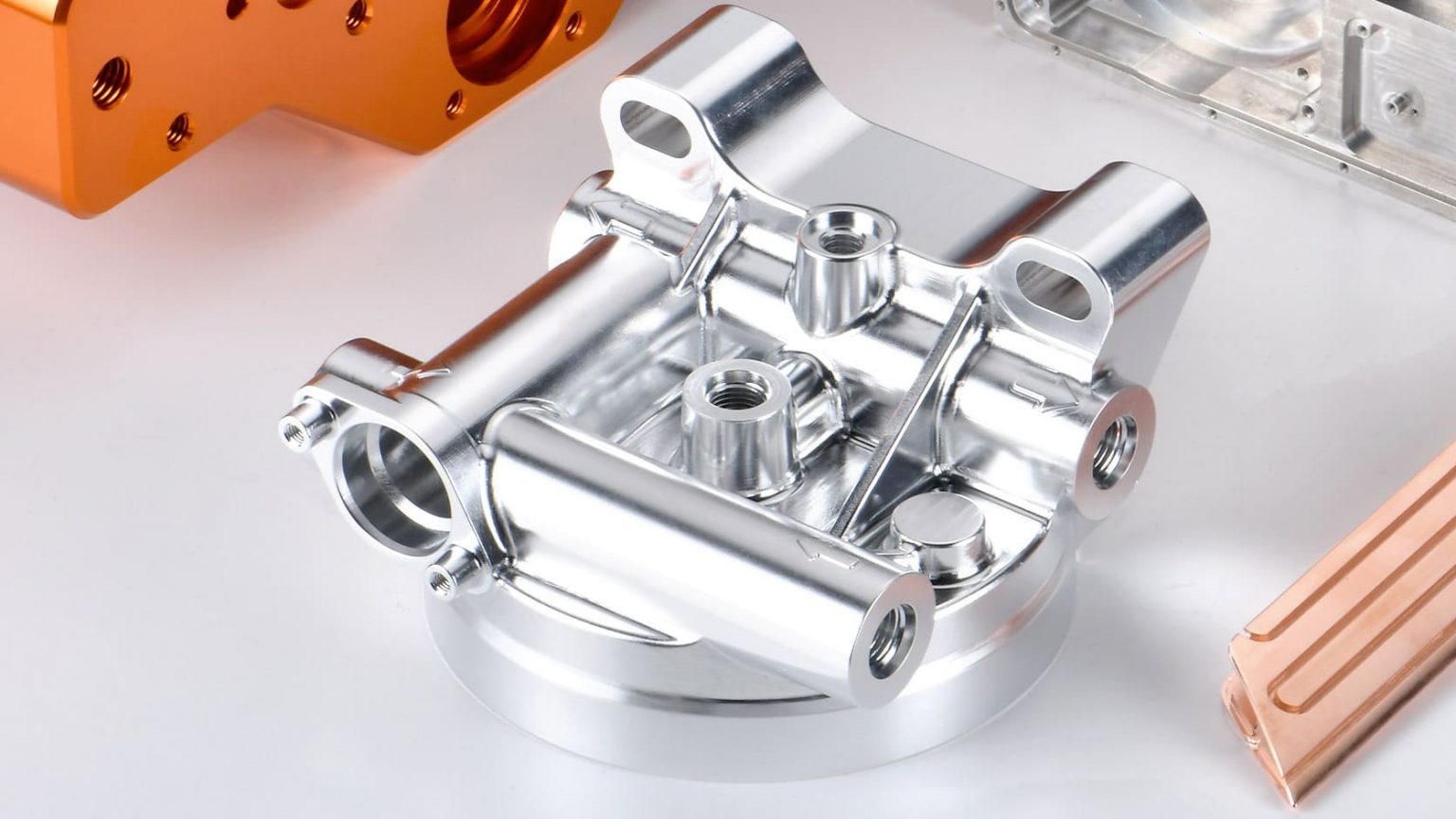
Major trade shows like IMTS in Chicago let buyers confirm capability and see machines run; attending shows or reading machine demonstrations helps separate vendors who claim capability from those who actually deliver. For a direct comparison when you need reliable vendors for production, consider vendors that openly publish their service scope and inspection processes, including custom cnc machining services. That transparency aligns expectation with delivery.
Common mistakes that cost money
Buying on price alone leads to scrap and delays. Overlooking fixturing and setup time hides true cost. Accepting verbal promises without documented measurement records invites rework. Failing to define acceptable surface finish or deburring standards creates nonconformances. Require lot sampling plans and agreed acceptance criteria before work starts.
Simple decision checklist
Make a quick scorecard: machines & tech match? sample inspection data present? material expertise? documented QA systems? communication plan? realistic lead times? price explained by process steps? If any box empty, treat as red flag. Prioritize the boxes that matter most to your product’s function.
Final thought
Don’t gamble production on vague promises. Name the problem, demand evidence, and set terms that force accountability. When you pair that approach with a partner who shows process records, inspection data, and steady communication, you cut risk and get parts that work. For steady, documented production you can rely on, look for a supplier like Hanstar that matches capability to your exact needs—no fluff, just parts that meet spec.