Where the problem starts
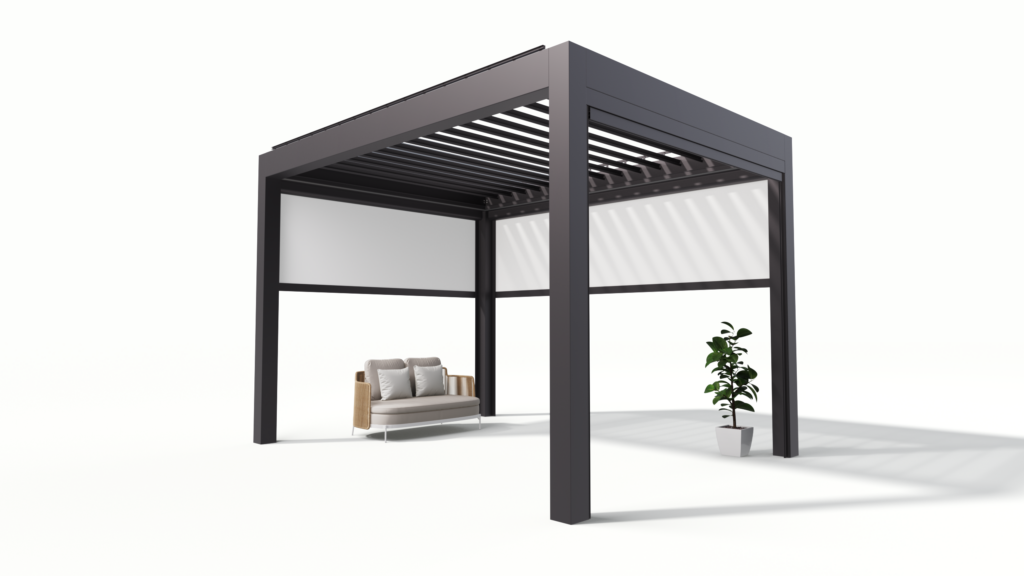
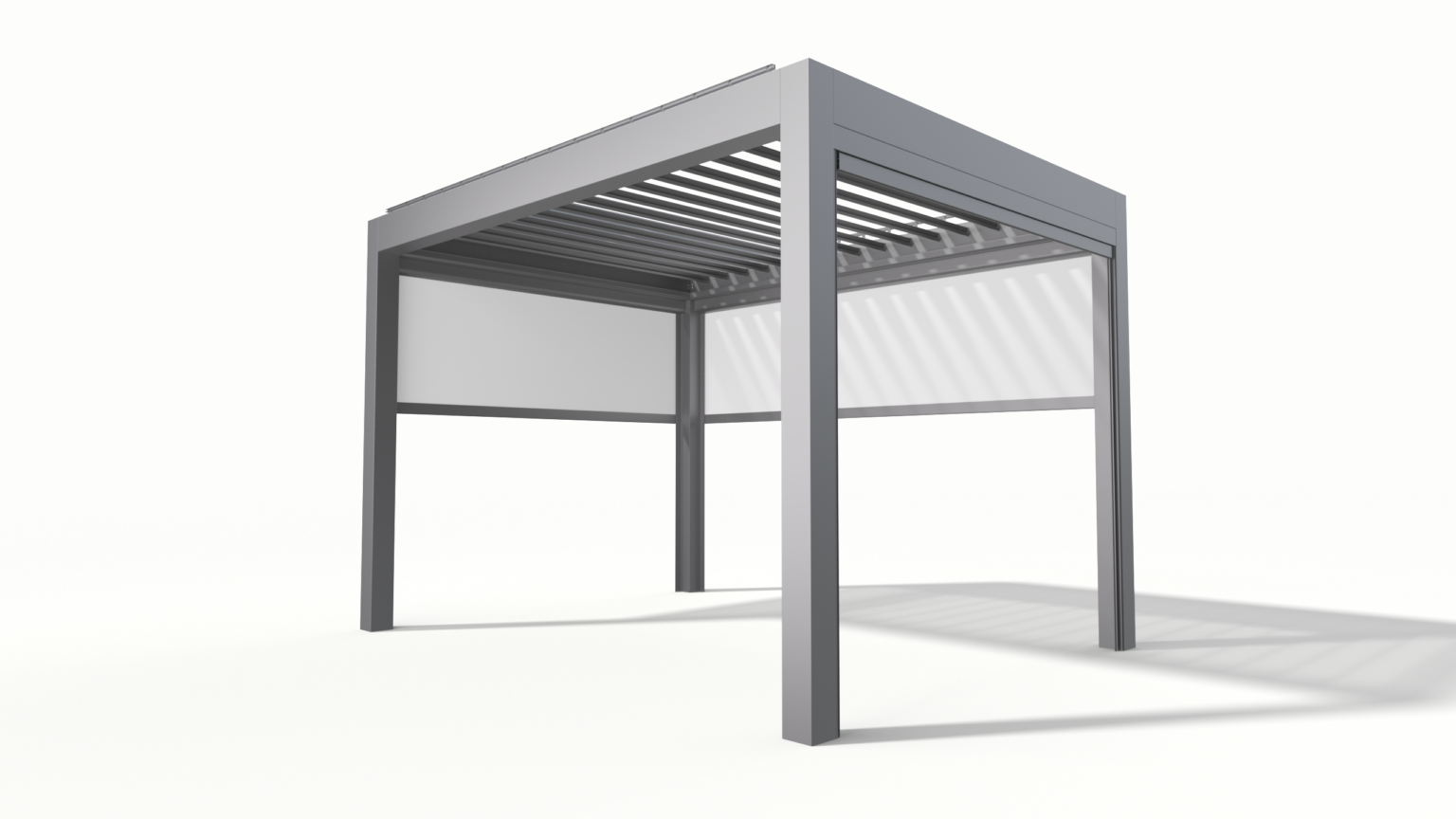
Dealers want predictable margins and steady leads, but daily reality throws design changes, electrical inspections, and customer uncertainty at them. When a client wants shade and electricity, that often means selling a photovoltaic pergola, which adds procurement complexity and timeline risk. That extra complexity is where small teams stall: they can’t scale if each sale becomes a custom project with unknown costs.
Core obstacles that block scaling
Permitting differences and inspection timelines vary by town, installers have uneven skill levels, and supply chains for solar modules and aluminum frames fluctuate. Dealers also face inconsistent quoting: some bids bundle every possible upgrade, others omit electrical work, so customers get sticker shock later. These are operational failures, not demand failures—fix the operations, and growth follows.
Evidence and practical experience
From advising deck builders and installers over the last decade, I’ve seen the same pattern: price uncertainty slows decisions. California is a clear example where local rules and incentives shift the installed price significantly, and that local variation affects the average solar pergola cost dealers must present. Those regional differences are documented in state program reports and trade publications, and they explain why dealers who ignore locality get surprised by permit fees and interconnection timelines.
Repeatable fixes dealers can adopt
Standardize three product packages instead of one-off quotes: basic, mid, and premium. Keep a ready parts list and modular options so installers swap parts without redesigning. Build partnerships with certified electricians and local permitting contacts to shave inspection time. Offer clear financing choices and a line-itemed quote so customers see where costs come from. Use a consistent installation checklist and train crews on a single mounting system to reduce rework.
Common mistakes that slow growth
Don’t over-customize early. Custom designs are attractive but they lengthen lead time and complicate warranties. Don’t under-document site conditions; one missing conduit or unexpected meter location can add a day of labor and extra materials. Don’t rely on a single supplier for critical solar components—stock a back-up or a compatible alternative. Finally, don’t guess at electrical compliance; let a licensed partner verify load calculations before finalizing a bid.
Alternatives and when they make sense
For some customers, a standard wood pergola with routed wiring and rooftop panels separate from the pergola is cheaper and faster. Shade sails or retractable canopies avoid structural change and suit renters. If the primary goal is vehicle charging, a solar carport with dedicated load might be easier to permit. Choose the alternative when you need speed, lower upfront cost, or simpler permits, and keep the photovoltaic pergola as the premium, long-term value option.
What scales a dealer reliably
Scale comes from predictable processes, vetted suppliers, and transparent pricing presented regionally. Track permit turnaround times by jurisdiction, keep a modular inventory, and train crews to a single best-practice install. Dealers who document these choices reduce surprises in both schedule and cost, and they win repeat referrals because customers know what to expect. When those elements align with dependable components and supplier support from Light Hunter, dealers shorten sales cycles and protect margins without adding complexity.