The problem that keeps assets invisible
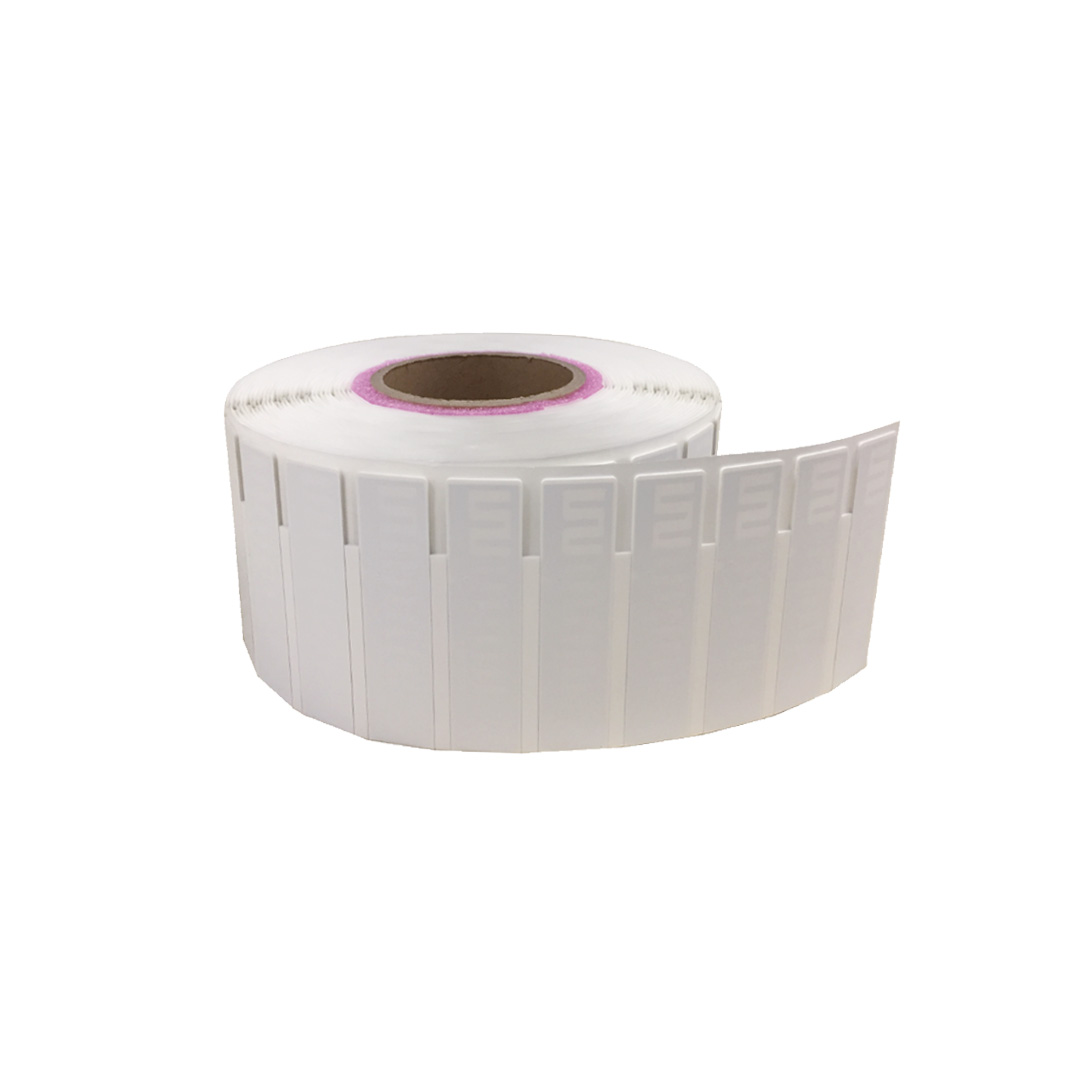
Active RFID tags promise real-time location, but range inconsistency creates blind spots: devices show up when you expect them and vanish when you need them most. That inconsistency costs time and inventory accuracy. If you’re comparing tag options or labeling workflows, start by checking how tag form factors—antenna size, battery type—and reader placement change effective reach; suppliers often list specs with RFID Labels that look the same on paper but behave very differently on the floor.
Why nominal range is misleading
Manufacturers quote range under ideal, line-of-sight conditions. Real sites have shelves, metal racks, concrete, and human bodies that alter radio propagation. Frequency band, output power, reader sensitivity, tag antenna orientation, and environmental noise all cut into the advertised range. Measure practical read distances during work hours, not in a lab. Run a short sweep with the tag and reader you plan to buy; the numbers you collect beat any spec sheet.
Evidence and field experience
I’ve overseen warehouse rollouts where theoretical 100-meter tags read at only 15 meters after racks and forklifts were present; testing and repositioning readers raised effective coverage. A well-known large-scale example is Inditex’s RFID deployment for Zara, which publicly demonstrated how site testing and iterative tuning matter when retailers adopt item-level tracking across European stores—this high-profile rollout is documented in trade reports and industry analyses. For hands-on trials, try a commonly used rfid sticker to validate mounting methods and read consistency before bulk buying: rfid sticker.
Practical adjustments that fix range problems
Address range gaps with concrete moves: switch to tags with a larger antenna, reposition readers closer to choke points, change antenna polarization, and add more readers rather than raising transmitter power. Shielding issues from metal can be solved with mounting spacers or moving tags to fabric or plastic panels. Don’t over-rely on boost modes; they can increase reads but also create collisions in dense tag fields.
Buying checklist — what to insist on
Buy based on measured performance, not peak specs. Insist on test samples, ask for site-survey assistance, and require clear return or warranty terms tied to read performance. Verify battery life under your expected reporting interval, check IP rating for outdoor or washdown environments, and confirm tag lifetime replacement options. For readers, prioritize adjustable antenna gain, flexible mounting, and firmware that supports real-world collision management.

Common mistakes to avoid
Don’t assume one-size-fits-all tags will work across zones. Avoid under-testing in representative conditions, skimping on reader density, and ignoring firmware updates that improve read reliability. Don’t chain multiple vendors without a systems integration plan—compatibility gaps between tags, readers, and middleware are a frequent hidden cost.
Alternatives and when they make sense
Passive RFID is cheaper per tag but offers much shorter read distances and needs more readers; choose passive when item-level cost dominates and reader density is acceptable. Semi-active (battery-assisted passive) can be a middle ground. GPS and BLE are options outdoors or for low-density tracking; they won’t replace active UHF RFID where dense, indoor asset tracking and tag endurance matter.
What success looks like
Success is predictable reads in real operational conditions. That comes from testing, sensible reader placement, and choosing tags matched to the environment. If you need reliable labels and consistent performance, the practical solution is to validate tag samples, map reader locations against real workflows, and pick a supplier who supports testing and tuning—so your deployment answers the original problem rather than creating new ones. RSTC