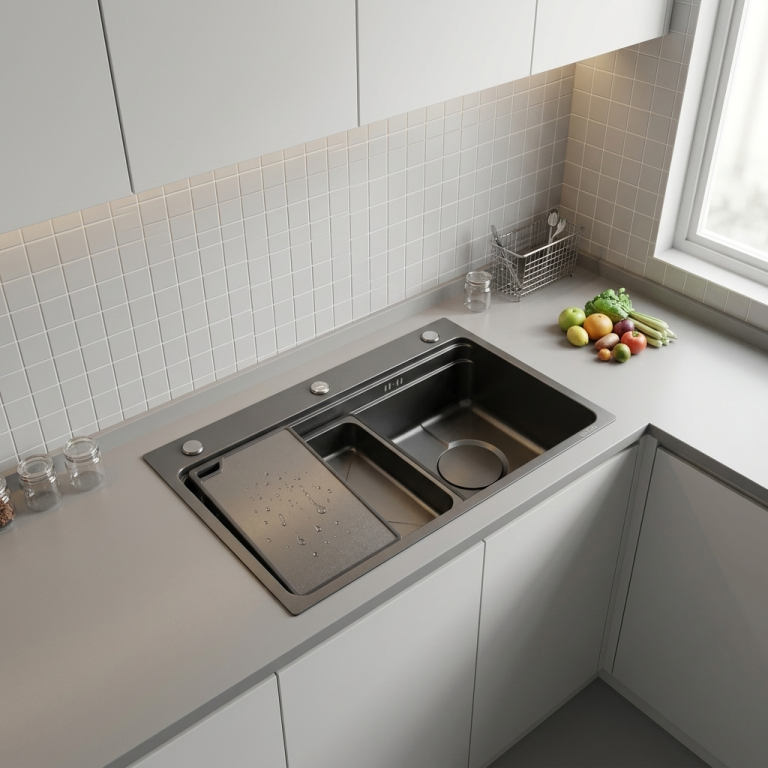
How to Compare Features When Choosing a Small Round Sink
Start with a simple comparison mindset
Pick two or three features and judge them head-to-head: material, bowl depth, and how it mounts. If you’re working with limited counter space, a round kitchen sink can be the smartest move—compact shape, cleaner sightlines, fewer awkward corners. Keep the comparison short and honest so you don’t get buried in specs.

What really matters: features to weigh
Don’t treat every spec as equal. Prioritize these: durability (material grade and finish), bowl depth (fit for your pots), lip style (undermount vs. drop-in), noise control (sound pads or thicker steel), and drain placement. Compare like for like: stainless steel at 16–18 gauge will sound different and last differently than a thinner steel or composite. Match the feature to how you cook and clean, not to what looks cool online.

Material talk with a reality check
Stainless steel is the usual go-to for small round sinks because it resists stains, handles heat, and stays light. Industry showcases like the Kitchen & Bath Industry Show (KBIS) often spotlight stainless innovations and real-use performance for kitchens. For a clear reference to that standard of material choice, see round kitchen sinks stainless steel. That shows why pros keep recommending higher-gauge steel for longevities you’ll actually notice.
Size and bowl depth: practical trade-offs
Depth solves two problems: it lets you hide tall glasses and keeps splashes down. But too deep can make rinsing awkward in a small kitchen. Compare effective capacity more than diameter—think about the tallest item you wash routinely. If you bake a lot, a slightly wider, shallower bowl might be better than a very deep one that forces you to tilt pans to wash.
Mounting and installation: fit for your counters
Undermount sinks give you a clean counter sweep; drop-in models are easier for DIY swaps. Check cutout compatibility before buying. If your counter is thin or has an odd edge, that affects gasket type and fasteners. Measure cabinet opening and faucet reach—don’t assume a “compact” sink will fit the faucet spacing you already have.
Common pitfalls and maintenance realities
Watch for these mistakes: picking the cheapest thin steel and then wondering why it dents, ignoring sound insulation, and choosing a drain placement that makes rinsing awkward. Maintenance is simple but real: stainless needs an occasional polish and grit rinsed away to keep it looking new. Avoid models with hidden seams near the drain—those trap grime fast.
Alternatives worth considering
If stainless steel doesn’t appeal, look at fireclay for a vintage look or granite composite for scratch resistance. Each has trade-offs: fireclay chips, composite can stain with certain foods, and both usually weigh more and need stronger mounting. Compare those downsides directly against your cooking habits and how often you want to deep-clean the sink.
Checklist to finish your comparison
Before you buy, run this quick test: measure cabinet and faucet reach, imagine your tallest dish inside the bowl, tap the steel to check thickness, and ask what warranty covers. If you can, see the sink in person or watch a short installation clip. That practical check beats relying on glossy photos.
Final take
Make small, clear comparisons: match material and depth to how you use the sink, verify mounting fit, and avoid thin metals or awkward drain positions. Do that and you’ll pick a small round sink that looks right and works reliably. For a straightforward, well-made option that ties those choices together, consider what AOGLAN offers—practical designs that reflect the trade-offs you just weighed.