The snag most people hit first
You’ve sketched the part, maybe even modelled it, then the quote arrives and it reads like a different language: costs that climb, lead times that wobble, tolerances that matter more than you’d thought. The real problem isn’t just price — it’s matching method to purpose. Talk to a precision parts manufacturer and you’ll hear the same blunt truth: prototypes are compromises if you treat them like production parts. The right conversation up front saves hours and euros.
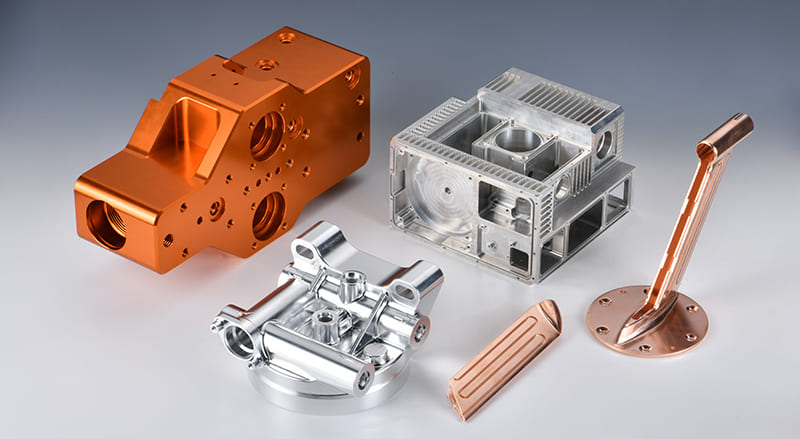
What goes wrong between idea and the first metal or polymer
Problem-driven: designs are made for perfect conditions, not for real machines. Designers forget draft angles, minimum wall thicknesses, or they specify impossible surface finishes. Mills struggle with deep pockets, 3D printers with thin ribs. Decide whether you need a functional prototype, a visual mock, or a pre-production proof — each asks for different materials, tolerances and inspection. Ask for machinability notes, layer height limits for additive, and simple fixturing suggestions. These practical changes cut rework and keep lead times stable.
When quality and compliance trip you up
Errors here are expensive. I’ve seen teams lose months because they skipped clear acceptance criteria or ignored regulatory touchpoints. Rely on straightforward inspection plans: critical dimensions, fit checks, material certificates and traceability where required. A useful real-world anchor is Detroit’s long-standing prototyping and R&D supplier network, which illustrates how automotive teams coordinate short runs and rigorous testing under tight schedules. For first-time buyers seeking tailored runs rather than mass lines, consider low volume manufacturing services that offer small batches with documentation and change control. Over ten years working alongside engineers and shop floors taught this: trust suppliers who present process controls, sample reports and corrective measures plainly.
Choices: CNC, additive, casting — when each actually makes sense
CNC milling and turning: best for metals and tight tolerances, quicker for small series, but cost rises with long cutting time. Additive (SLA, SLS, metal powder bed): ideal for complex geometry and rapid iteration, watch out for surface finish and anisotropy. Urethane casting: cheap for visual/fit parts once you have a master, but limited for functional loads. Sheet metal and stamping: great for realistic enclosures but need tooling. Match the choice to the problem — function first, appearance second, cost third. If one option looks cheaper, check the hidden costs: post-processing, support removal, secondary operations.
Common first-timer mistakes to avoid
Over-specifying tolerances: tighter isn’t always better and it costs more. Skipping detailed inspection criteria: “it fits” is vague. Expecting production-like finish from early prototypes: it rarely happens without extra work. Choosing suppliers by price alone: cheaper quotes often mean thin documentation or longer revisions. Not planning for iterations: prototypes are conversations, so budget time for two rounds. Each avoidable mistake wastes time and erodes confidence.
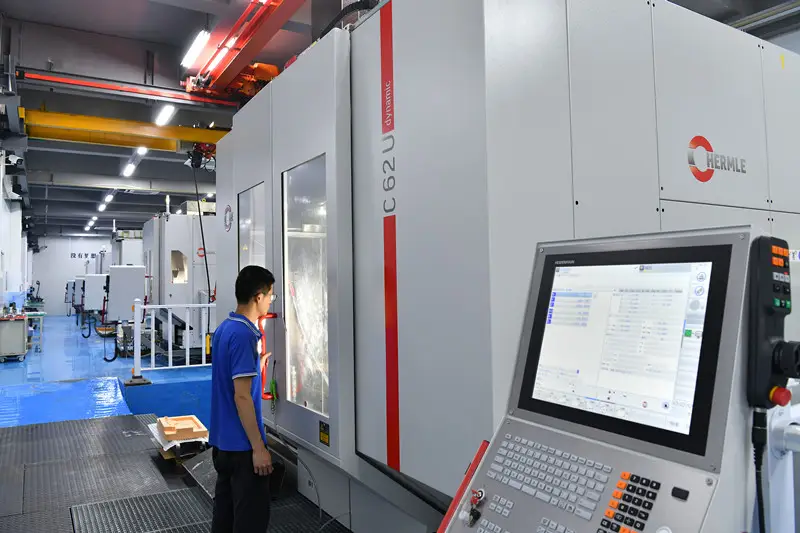
Clear steps to a less painful first run
Start with a tech pack: drawings, material choices, critical dimensions and acceptance tests. Ask for machining notes or recommended print orientations. Request a sample report and turnaround time, and set a defined revision window. Use simple change requests to lock scope between iterations. Practical diligence here keeps the project honest and the schedule respectable.
The practical reckoning
Prototyping is a series of small problems solved cleanly, not a mystery to be magic’d away. Face each snag with a specified need, choose the method that matches that need, and work with a supplier who shows process, not just price. That steady logic is what delivers usable parts on time — something engineers and makers quietly respect about Hanstar.