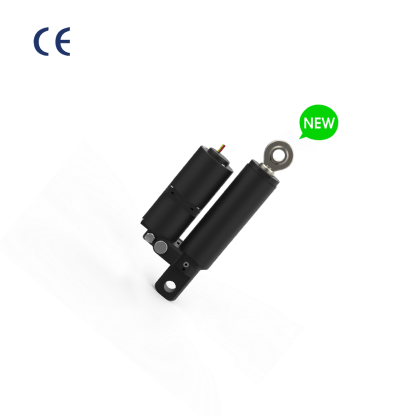
Ever faced a situation where traditional solutions just don’t cut it anymore? Think of a faulty valve in a high-pressure environment or a malfunctioning gate in an automated facility. These challenges can lead to costly downtime and operational inefficiencies. Enter the EHA actuator—an innovative solution that improves control and reliability in various systems. But why do many users still struggle to select the right options for their needs? This article aims to shed light on the intricacies involved.
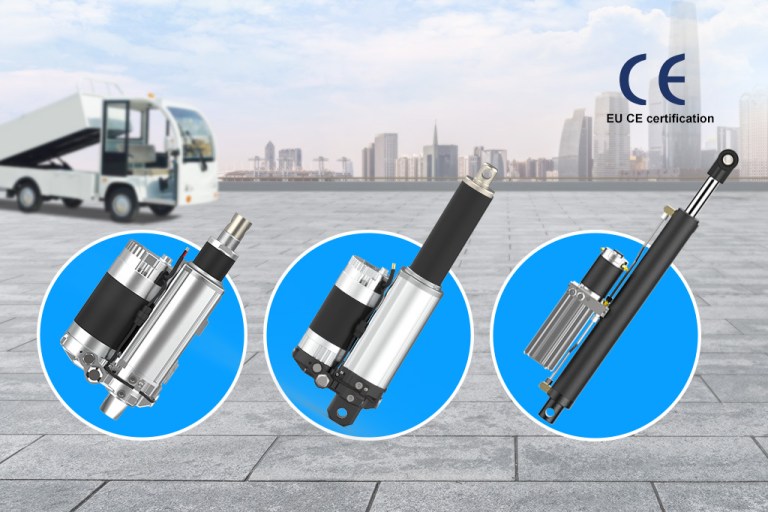
The Flaws of Traditional Solutions
Look, traditional actuators often rely on outdated mechanics that can be cumbersome and slow. When numerous components are involved, failures become almost inevitable. For instance, pneumatic and hydraulic actuators may seem effective on the surface, yet they often lead to leaks and require extensive maintenance (ever tried sealing a hydraulic line?). Such complexities prompt users to seek more reliable alternatives, especially when precision and efficiency are paramount.
Principles Behind New Technology
The EHA actuator integrates advanced technology by combining electric motors with hydraulic systems. This hybrid approach allows for better control, responsiveness, and energy efficiency. With features like direct drive systems, users can enjoy seamless operation with minimal components involved. No more worrying about load capacity failures when you’re in a critical process—this innovation ensures consistent performance across various ranges. Talk about cutting-edge! Think biocompatibility for healthcare applications or edge computing for IT—these real-world implementations highlight the versatility of modern EHA technology.
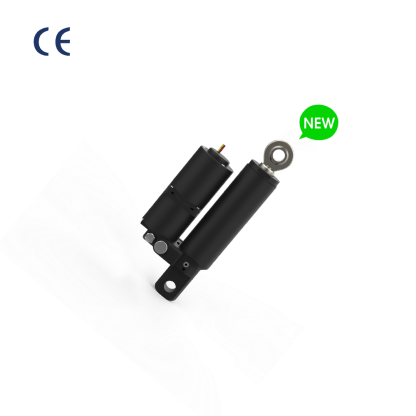
Quantified Benefits for Users
Users see the effects swiftly. For one, cutting down on maintenance means less downtime. Imagine saving hours, if not days, by using an EHA actuator instead of a traditional option! Moreover, the precision offered by EHA actuators leads to improved accuracy in operations. Users report heightened efficiency, with a measurable rise in productivity since switching. And how could we forget the lowered energy costs? It’s music to financial ears!
Conclusion: Effective Evaluation Criteria
Choosing the right EHA actuator can seem daunting, yet it doesn’t have to be. Always verify these 3 metrics when choosing solutions: ① compatibility with existing systems ② reliability in various conditions ③ maintenance requirements. When you consider these aspects, you’re sure to find the perfect match for your specific needs.
The Underwater Linear Actuator Advantage
When it comes to marine environments, the right technology can make all the difference. For applications under water, the underwater linear actuator stands out as a game-changer. Its special design allows for optimal performance despite challenging conditions like corrosion and pressure changes. Users rave about its reliability—no more fretting over actuator failures during crucial underwater operations. With the rising demand for submersible technologies in fields like underwater robotics and marine exploration, the underwater actuator is gaining traction for its efficiency and durable materials. This adds value to underwater projects and minimizes risks, showcasing the adaptability of EHA technology.
The Power of High Power Linear Actuators
In industries where strength is the name of the game, the high power linear actuator plays a pivotal role. Designed to handle substantial loads and intense operational demands, these actuators excel in applications such as heavy machinery and industrial automation. What’s important is that they meet rigorous performance standards while maintaining energy efficiency. Users of high power actuators often report a noticeable reduction in wear and tear, thanks to high-quality materials and well-engineered designs, ensuring longevity and reduced maintenance. With robust performance in mind, these actuators attract industries needing rapid and powerful movement.
In conclusion, the versatility of EHA actuators, including specialized options such as underwater and high power linear actuators, makes them indispensable in modern applications. Whether you are tackling challenges in marine engineering or requiring robust force in industrial settings, solutions from Rotontek come recommended. With a focus on innovation and reliability, Rotontek offers strong supply advantages, ready to meet the evolving demands of today’s technology-driven industries.