Introduction: A Calm Hallway Starts at the Source
Here’s a simple claim: storage that fits your family’s rhythm makes your day easier. A shoe rack manufacturer has more to do with that calm morning than you might think. Picture the rush: backpacks, lunch boxes, and four pairs of sneakers that never seem to land on the same shelf. In retail surveys, a notable share of returns trace back to poor fit, wobbly frames, or confusing assembly—issues that waste time and money. If 20 minutes vanish each morning to “Where are my shoes?”, that’s not a small problem; it’s a systems problem. And systems live upstream, in the way racks are designed, packed, and shipped (and yes, in how kids kick off their shoes).
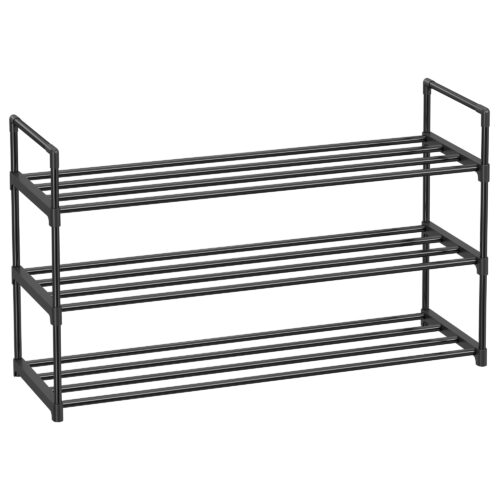
So here’s the question: how do we bring structure home without adding stress? The answer isn’t only “buy better.” It’s “source smarter,” and compare what’s behind the rack: load rating, flat-pack logistics, powder coating that resists scuffs, and anti-tip hardware that works with busy hands. When we compare suppliers—materials, QC inspections, and assembly clarity—we help families form habits that stick. This is not about perfection; it’s about fewer bottlenecks and more predictable mornings. Let’s walk through where older solutions fall short, then see what the new playbook offers next.
Part 2: The Hidden Cost of Traditional Sourcing
Where do legacy solutions break?
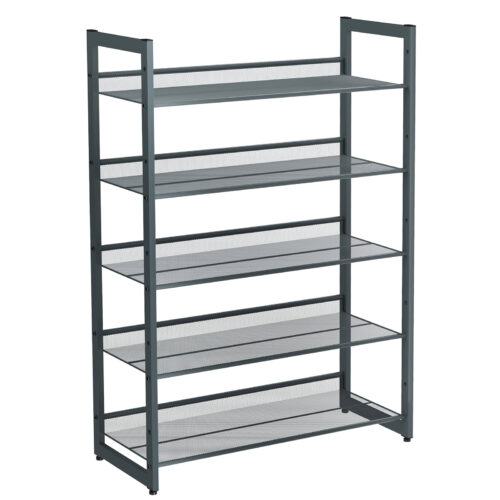
Technical view first. Many buyers pick racks by price and picture, then discover the real issues later: weak joints, vague instructions, and finishes that chip fast. A better approach starts with a china shoes rack wholesaler that can prove process control. Look, it’s simpler than you think: match materials to usage. Cold-rolled steel with clean welds for high traffic; engineered wood with consistent veneers for family rooms; certified finishes like electrostatic spraying for scuff resistance. Then check assembly. Boltless assembly or keyed fasteners reduce error and time—two big wins on a school morning. MOQ flexibility matters too, because odd SKUs die in storage closets. When a wholesaler shares load testing, coating adhesion data, and carton drop test results, you cut returns before they start.
Now the pain points you don’t see. Traditional racks often ignore real shoe volume (seasonal boots, sports cleats, toddler pairs that multiply). No room for drip trays in wet seasons. No space for baskets, key hooks, or labels that help kids self-serve. And poor packing—thin EPE foam, weak corners—means damage on arrival. SKU rationalization and modular tooling fix this: one core frame, adjustable tiers, simple hooks, interchangeable bins. With tighter tolerances and clear labeling, assembly becomes intuitive. Funny how small changes—like gasketed feet or anti-tip brackets—protect both walls and kids, right?
Part 3: Comparative Insight and What’s Next
Real-world Impact
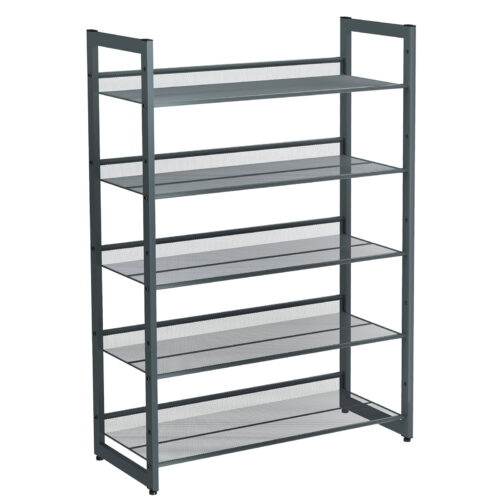
Let’s compare old versus new. Old method: pick a catalog rack, price to margin, ship, hope. New method: map use cases—mudroom, apartment entry, retail display—and align specs. A family-focused setup uses powder coating that resists chips, rounded edges, and anchor options; a store-focused build might prioritize tier spacing, signage rails, and rapid remerchandising. One case: a mid-size retailer moved to a modular frame with CNC stamping and better instructions. Result? Assembly time dropped by 28%, damage claims fell by double digits, and returns for “wobble” nearly vanished. The same supplier offered shoe display racks wholesale with consistent hole spacing—so fixtures and shelves swap fast when the season changes. Small hinges, big swings—funny how that works, right?
What’s next is less mystery and more method. Expect clearer performance metrics baked into quotes: verified load rating per tier, scratch-resistance cycles, and carton integrity scores. Expect just-in-time pack-outs for mixed SKUs, so stores get what they need, not what fills a pallet. And expect child-first touches at scale: labeled tiers, drip-safe mats, and hardware that locks but doesn’t frustrate. Advisory close, for parents and buyers alike: choose by three metrics. First, durability data you can verify (coating tests, weld strength, drop tests). Second, assembly clarity (parts labeling, QR video guides, boltless options). Third, adaptability (modular tiers, accessory rails, and room for baskets or boots). If a partner can’t show these in writing, keep comparing. The right solution aligns design with daily life—steady, simple, and kind to your morning routine. SONGMICS HOME B2B