Introduction: A Shop Visit, Some Numbers, and a Question
I still picture that humid shop floor—the smell of cutting fluid and the steady hum of motors—when I first tried to pick a machine for our small tooling shop. In that corner, three booths from different 5 axis CNC machining center manufacturers stood side by side, each promising faster cycles and tighter tolerances. Data mattered: roughly 60% of mid-sized shops I talk to report missed delivery dates tied to machine downtime or CAM issues (yes, even with good operators). So I asked myself: which factors really change long-term performance and cost?
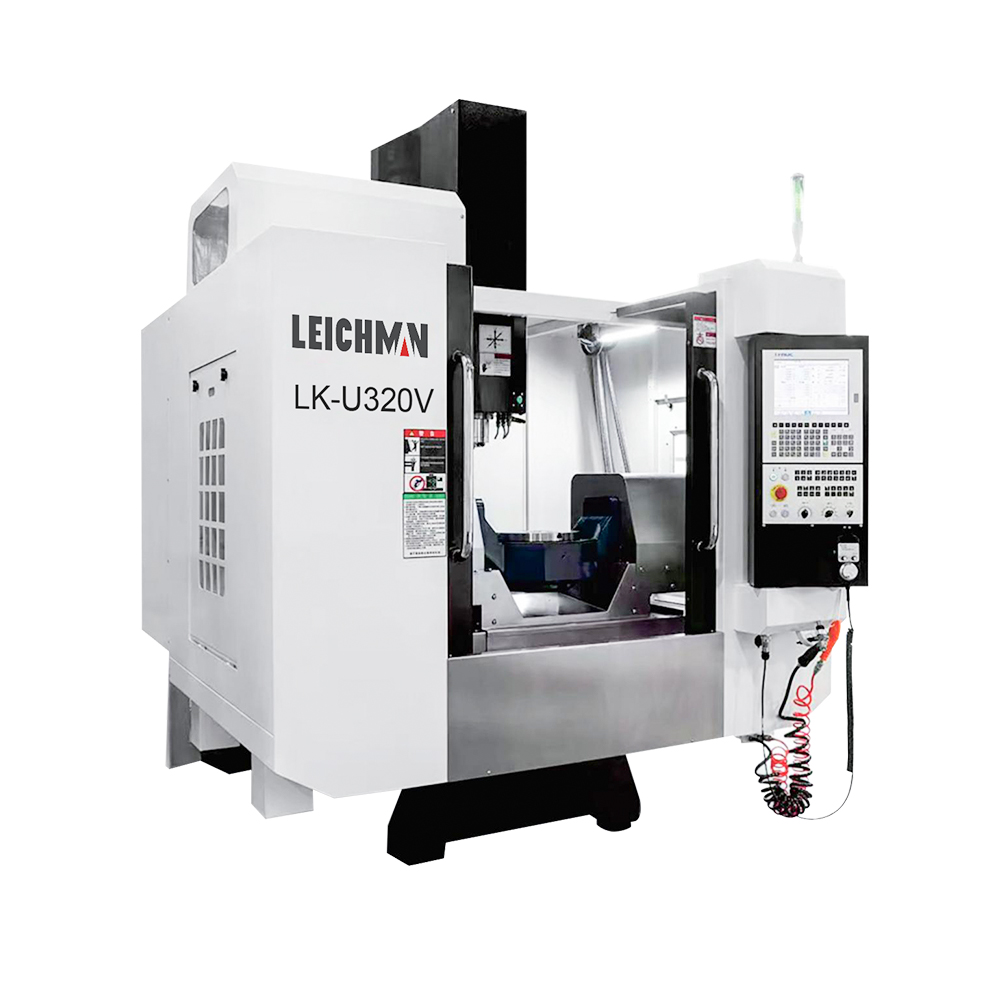
Traveling between plants taught me one big thing: specs on a sheet don’t tell the whole story. You may read spindle speed and servo torque and nod along, but how those parts work together on real parts—that’s the unknown. I want to share what I learned in plain terms, with real examples and a bit of judgment—because picking a vendor is personal. Ready to dig into what most buyers overlook? Let’s move on and look under the hood.
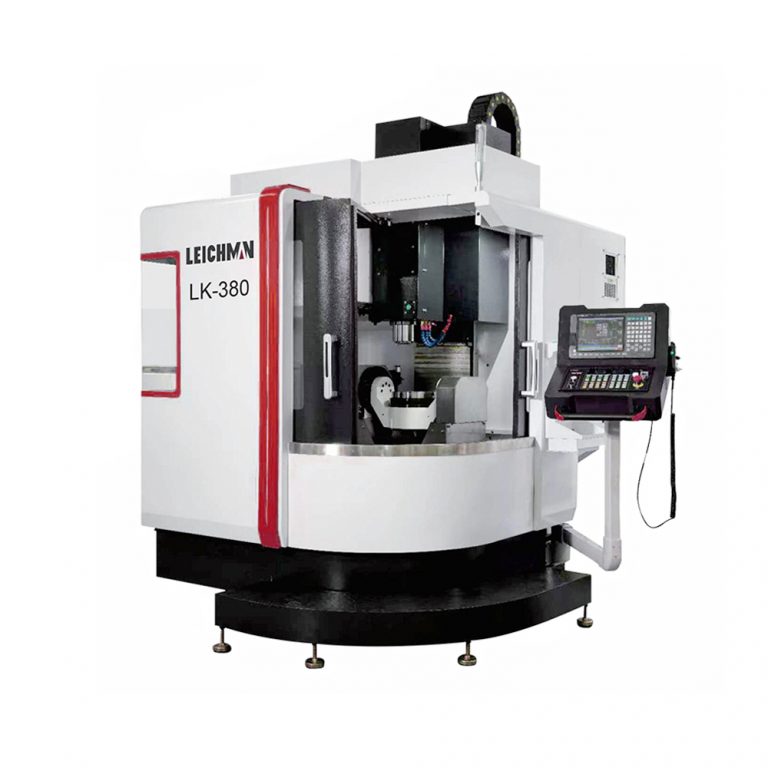
Part 2 — Deeper Look: Why Common Fixes Often Fall Short
five axis cnc machine technology sounds straightforward: add rotational axes and you can reach more faces in one setup. At the technical core, however, axis kinematics, controller logic, and CAM post-processing must align perfectly. When they do not, shops face inconsistent surface finish, unexpected tool collisions, and long cycle tuning times. I’ve seen tools chatter not because the spindle was weak but because the CAM post-processor didn’t match the machine’s controller (and that sneaks up on you fast).
What’s the real pain?
Traditional solutions often try to patch problems with faster spindles or bigger tool changers. That’s like putting a bigger engine in a car with bad steering. The root issues I keep seeing are controller tuning limits, poor thermal compensation, and mismatched post-processors. These lead to scrap, frequent manual intervention, and schedule slips—painful for small jobs and catastrophic for complex aerospace parts. Look, it’s simpler than you think: if the machine can’t interpret the toolpath as intended, no amount of horsepower will save the part. — funny how that works, right?
Part 3 — Forward View: Principles and Practical Steps for Choosing Better
Moving forward, I focus on principles that matter more than flashy numbers. First: compatibility. A 5 axis machining center must work as a system—controller, servo motors, spindle, and CAM—rather than a collection of best-looking specs. Second: service and tooling ecosystem. Quick access to spare parts and knowledgeable support shortens downtime. Third: real-world validation. Ask for sample parts processed on your CAM and checked—don’t just rely on demo cuts.
Real-world impact — what to expect
Newer machines emphasize advanced control algorithms and better thermal compensation. They also improve collision avoidance and offer tighter integration with CAD/CAM data, which reduces post-processing headaches. When shops invest in that system-level quality, they see fewer tool changes, improved accuracy, and faster first-part approval. I’ve tracked shops moving from frequent rework to steady, predictable output—measurable improvements in on-time delivery and scrap reduction. — and yes, I mean that literally.
To close, here are three practical metrics I use when evaluating manufacturers: (1) first-parts success rate on your part program, (2) mean time to repair with local service, and (3) validated thermal drift over a shift. Evaluate those, and you’ll make fewer regret purchases. If you want a reliable partner to start conversations with, consider exploring Leichman for machine options and support—I found their approach refreshingly straightforward.