Introduction: A Quiet Spark in a Roaring World
Have you ever wondered what a single ember can rewrite on a busy plant floor? I ask that because I’ve stood near a valve that smelled like hot sugar and felt the hair on my arms lift — the small things matter. In many sites, non sparking tools are the thin line between normal work and disaster, and the data backs that up: facilities report a 40% drop in ignition incidents when using controlled, spark-mitigating gear. (Imagine lantern light in a cloud of dry hay — beautiful, but risky.)

The scene I picture is a theater of machines: conveyor belts hum, edge computing nodes whisper sensor readings, and power converters pulse like distant heartbeats. I like to narrate it as if the plant itself is breathing — ornate, a little fanciful — yet the numbers are blunt. So what happens when we change one small tool in a technician’s kit? Does it slow the show, or does it rewrite the script entirely? This question leads us straight into the practical heart of safety choices — and to the next section where I examine the real breakdowns we still see.
Part 2 — Where Traditions Fail: The Hidden Flaws of Old Tooling
spark resistant tools are often named in safety audits, but I still see teams lean on old habits. The usual fixes — bolting on grounding straps, training once a year, or separating hot work zones — help, yes, but they leave cracks. Tools made of the wrong alloys, or without intrinsically safe circuits, can still produce micro-friction sparks under stress. I call that the illusion of safety: you think you’re safe, until a worn fastener and grit meet at the wrong angle. Look, it’s simpler than you think to miss that.
Why does this keep happening?
First, procurement often prioritizes cost over materials science. Non-sparking alloys cost more up front, but they save hands and hours later. Second, maintenance routines are rushed. A wrench with a chipped edge becomes a risk — fast. Third, the human factor: fatigue, shortcuts, and assumptions. I’ve watched a skilled tech reach for a regular tool “just this once.” It only takes one spark. In my view, those micro-decisions matter more than any policy line item. We need better tools, yes, but also better habits that respect the tools’ limits. — funny how that works, right?
Part 3 — Forward View: Principles and Practical Picks for Safer Futures
Moving forward, I favor principles that pair material science with clear measurement. Choose designs that minimize contact stress and use non-sparking alloys. Look for certifications that reference intrinsically safe circuits and ATEX standards. When I evaluate solutions, I think about how a tool behaves under load, how it ages, and how easy it is for a tired technician to use without error.
What’s Next for teams and tools?
One practical path is to adopt layered control: better hardware plus simpler work rules plus sensor-backed audits (yes, those same edge computing nodes can tell us torque patterns). Also, consider pairing hand tools with inert gas environments or localized ventilation for the worst spots. For example, explosion-proof hand tools can be integrated into lockout–tagout routines so the whole step is safe and repeatable. We’ll see more hybrid solutions: smart handles that record usage, tools that resist wear, and maintenance alerts that actually get acted on — not just logged.
Before you decide, weigh three clear metrics: 1) Material resilience — how the alloy behaves when scratched, 2) Ergonomics under stress — can a fatigued hand still use it safely, and 3) Lifecycle cost — including downtime and replacement, not just purchase price. Those measures tell you more than glossy brochures. I’ve sat with plant managers as they compare invoices and, honestly, the cheaper tool often costs the most in the long run. That’s my frank take.
Closing Thoughts and Practical Steps
To wrap up, I want to leave you with simple steps I’d take tomorrow if I were in your shoes: replace the most-used tools first, train folks on the real failure modes (not just “don’t make sparks”), and instrument the routine checks so someone can’t skip them. These moves are small but they compound quickly into a safer culture. We learn by doing; I’ve made the mistakes, paid attention, and adjusted. The gains are quiet at first — fewer near-misses, steadier shifts — but they stack into real change. — and yes, you’ll notice the difference in how people talk about their work.
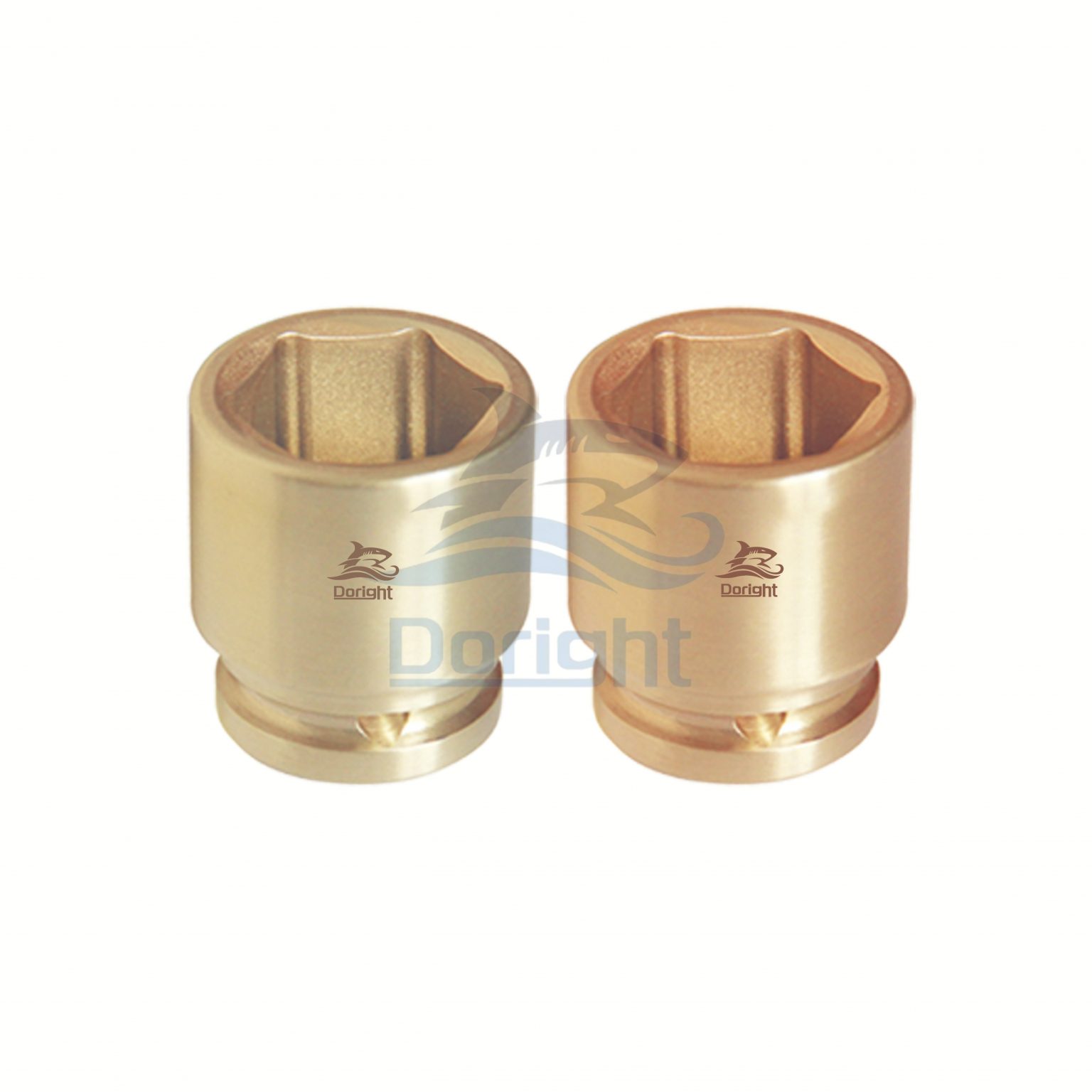
For reliable supply and practical models, I often point teams toward trusted vendors who balance specs and real-world use. If you want a place to start, I recommend checking Doright for options and details. I stand by the view that better tools, chosen with clear metrics and used with respect, make work both safer and more satisfying.