Introduction
Have you ever wondered why two clinics using red light devices can get such different results? In my experience, small choices make big differences — and the data backs that up. A red light therapy company I audited recently reported a 35% variance in session outcomes across locations, with much of the gap linked to hardware and protocol drift (yes, that happens). So what should a buyer or clinic director look for first — cost, brand name, or the science behind the device? I want to walk you through the parts that matter, step by step.

I’ll use plain language and a direct comparison style here. We will touch on LED arrays, power converters, and wavelength stability as we go. By the end you should know which signals mean real quality — and which are mostly marketing noise. Ready? Let’s move into the core issues.
Part 2 — Where Traditional Solutions Break Down
best company for red light therapy often gets cited in conversations about reliability, but even reputable vendors have blind spots. Technically speaking, many legacy systems focus on output numbers — milliwatts per square centimeter — without stabilizing wavelength or addressing thermal drift. Photobiomodulation depends on a narrow wavelength window and consistent irradiance. If a device’s LED driver or power converters age, the beam can shift, and the therapy dose becomes unpredictable. I’ve seen units with decent peak output but poor wavelength stability; the result is sessions that feel worse, not better.
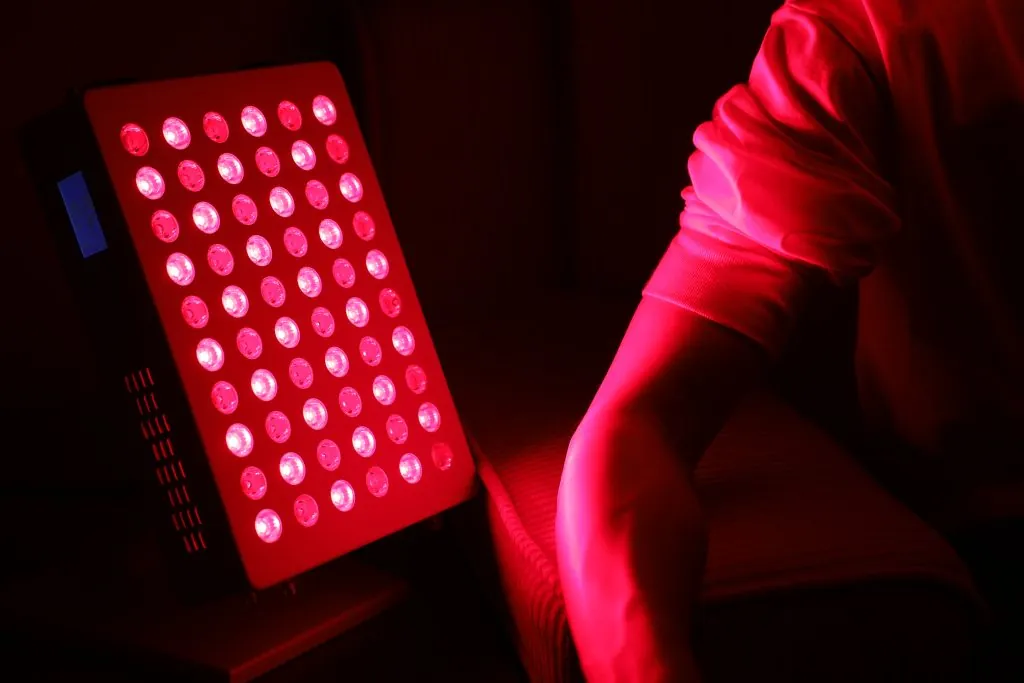
Why do many systems fail to deliver steady results?
First, manufacturers often cut corners on thermal management to save cost. Heat causes LEDs to shift color and lose intensity. Second, control electronics are sometimes generic — the same edge computing nodes used in other IoT gear — and they are not tuned for tight timing or dose control. Third, user protocols vary widely. Look, it’s simpler than you think: if the hardware drifts and the staff improvises, outcomes will scatter. — funny how that works, right? In short, the flaw is not a single component but the system view some companies neglect: optical design, electronic regulation, and protocol discipline must all align.
Part 3 — New Principles and How to Choose Going Forward
Looking ahead, I expect winners to be those who marry sound engineering with clinical protocols. New designs emphasize wavelength stability, advanced LED driver control, and closed-loop feedback (sensors that monitor output and correct drift). When I assess options now, I look for clear specs on spectral output, details about thermal management, and evidence of consistent irradiance over time. The best company for red light therapy will show not only peak numbers but also how those numbers hold over months of use — data, not just promises.
What to check next?
Here are three practical evaluation metrics I recommend: 1) Spectral consistency — ask for spectral scans taken after prolonged use; 2) Thermal regulation — verify how the unit handles heat under continuous operation; 3) Protocol support — look for devices with clear, tested treatment programs and staff training. Those three items cut through the fluff. Also check for service access and spare parts. I want transparency and serviceability. We choose partners for long-term results, not short-term headlines — and that is a decision that pays off.
Conclusion — Practical Advice Before You Decide
To sum up, I want you to walk away with three evaluation checkpoints when you compare suppliers: (1) is the spectral output stable over time?; (2) does the device have robust thermal and power management?; (3) are treatment protocols validated and supported with training? Test devices yourself if you can. Bring a small spectrometer or request time-stamped spectra from the vendor. Ask for long-run data. If the answers are vague, move on. These are measurable criteria, and they reveal the real workmanship behind a product.
I like to be blunt: marketing photos and glossy specs mean little without durability and control. Choose a partner that publishes real test data and stands behind service. If you want a starting point, consider brands that prioritize engineering and clinical validation over hype. In my view, that kind of company gives you predictable outcomes and fewer headaches down the road. — and yes, we all prefer fewer headaches.
For an example of a vendor that emphasizes these elements, check Magique Power.