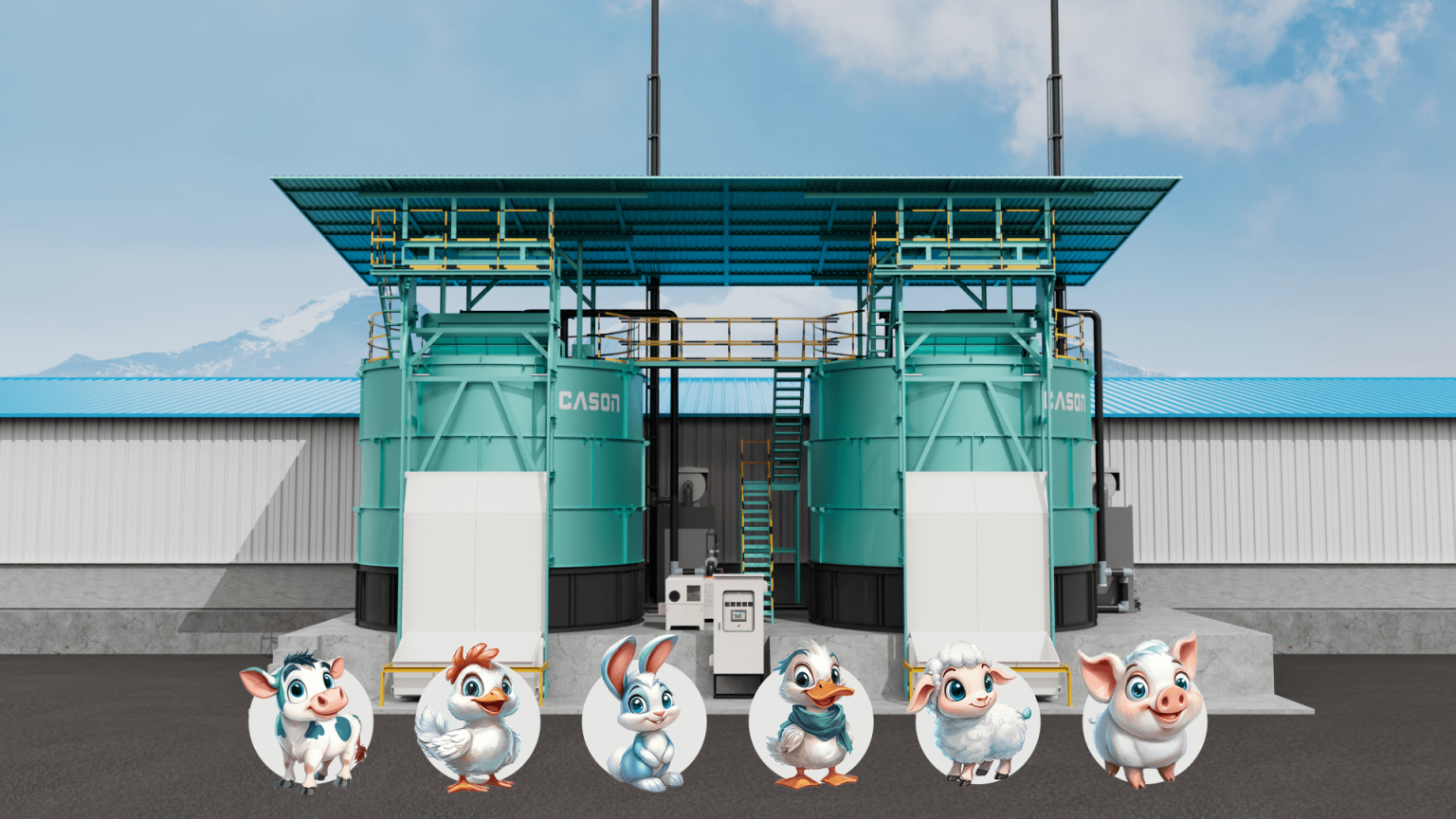
The Challenge of Waste Management in Agriculture
I vividly recall a day at a local farm in Maharashtra, where concerns about escalating waste from livestock became the topic of conversation. The farmers expressed frustration over the inefficiencies in managing animal waste. Current practices not only threaten soil health but also contribute to greenhouse gas emissions. With more than 750 million farm animals in India alone, the mountains of waste pose a major environmental risk. How can we turn this organic menace into a growth opportunity? Well, animal waste fermentation equipment, particularly the organic manure vertical fermentation tank, emerges as a sustainable solution.
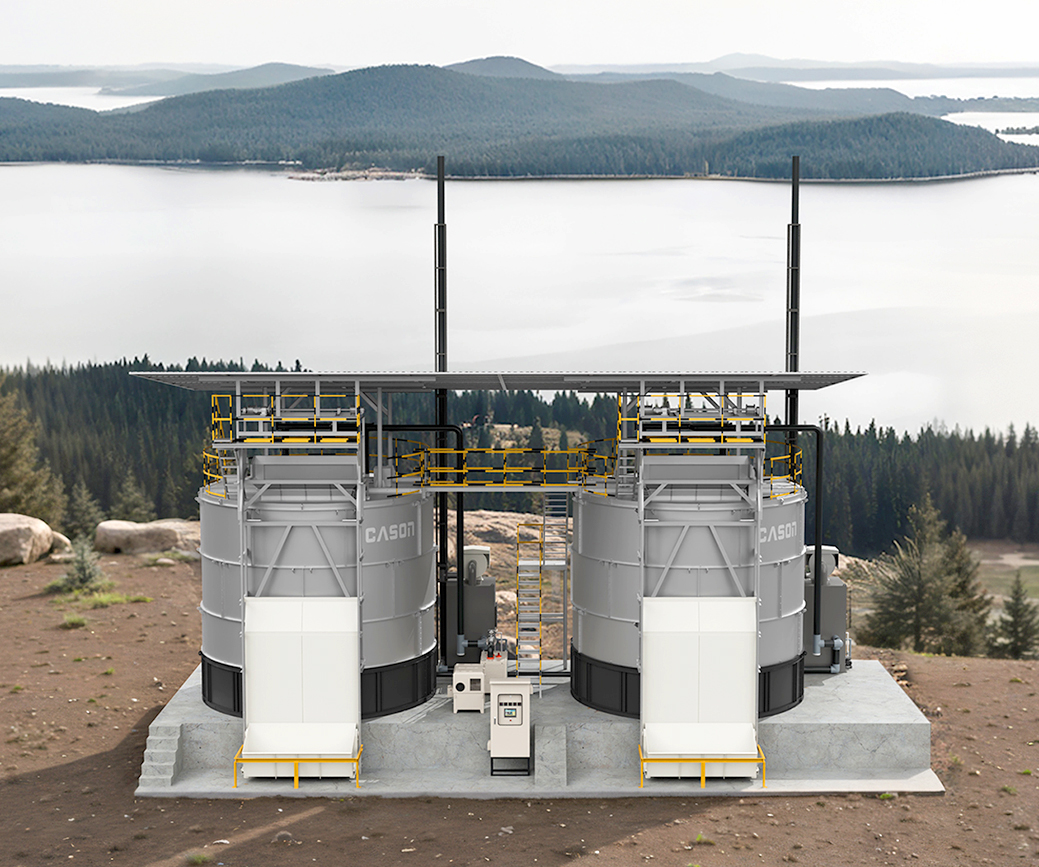
Understanding Organic Manure Vertical Fermentation Tanks
To grasp the elegance of this technology, let’s delve into the concept of anaerobic digestion. Simply put, organic manure vertical fermentation tanks break down animal waste in an oxygen-free environment. This process not only generates biogas—usable energy—but creates nutrient-rich organic fertiliser as a byproduct. Farmers can leverage this dual benefit, effectively closing the nutrient loop while reducing reliance on synthetic fertilizers. Hence, one can’t overlook the efficacy these tanks bring to everyday operations. Isn’t that exciting?
How Do These Tanks Work?
The mechanism is relatively straightforward. Solid waste is loaded into the tank and is broken down by anaerobic bacteria, yielding methane gas which can power generators or be utilized for heating. The end product, organic fertiliser, enriches soil fertility for subsequent crop cycles, directly addressing the shortcomings of traditional waste management methods. Many farmers I know have sworn by this technology, noting significant improvements in both yield and sustainability.
The Future of Waste Management: What’s on the Horizon?
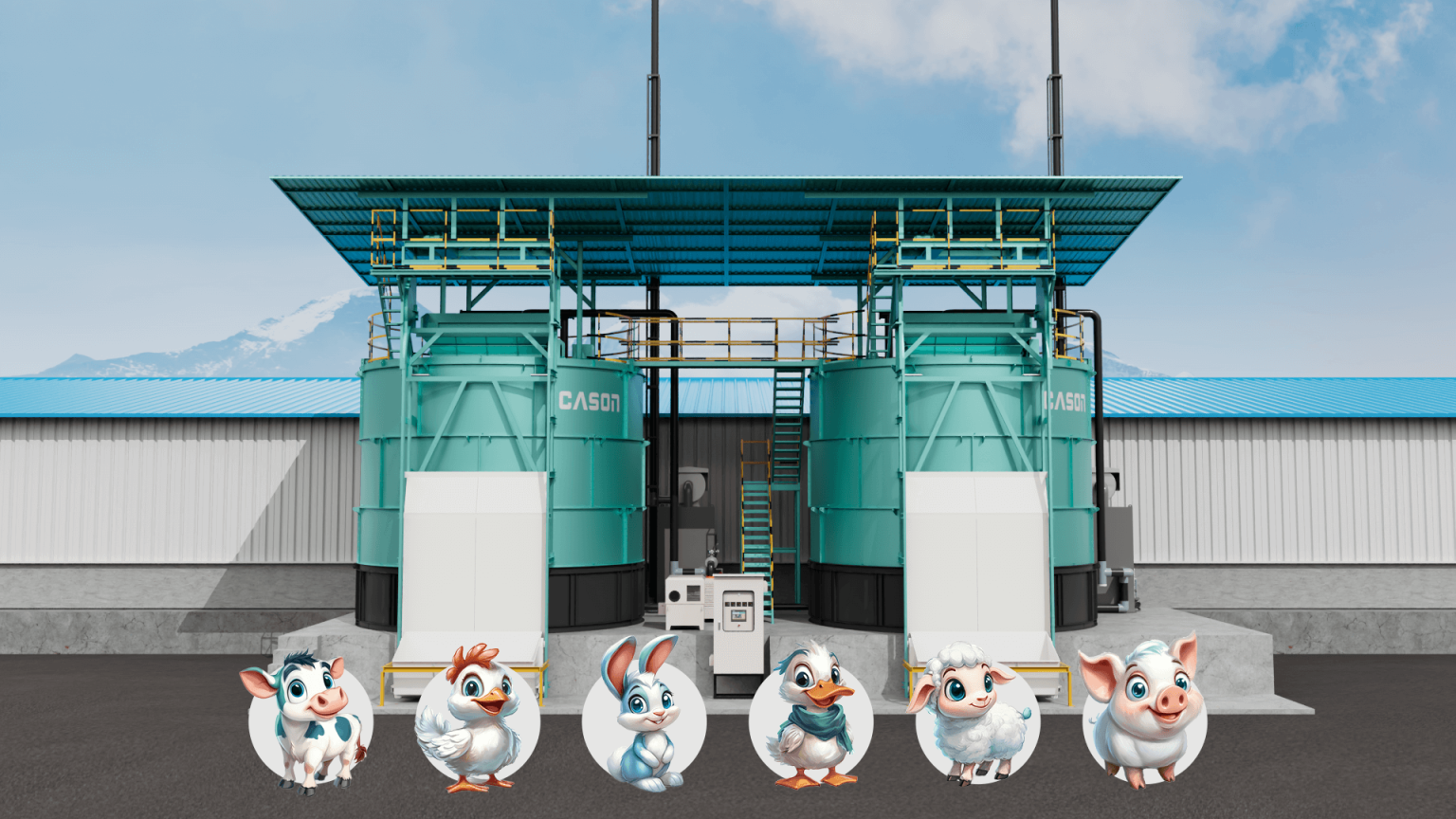
<pAs we advance towards a more sustainable agricultural framework, the demand for more efficient methods will rise. The animal feces fermentation tank, like the one offered by Cason, continues to evolve. With innovations such as remote monitoring and data analytics, these systems can optimize fermentation processes, increasing yields and reducing downtime. Picture a future where every drop of waste is not just discarded but transformed into a valuable resource that powers operations.
Real-world Impact of Modern Solutions
Now, let’s ponder on how these developments can reshape local economies. Farmers investing in such systems have reported reductions in waste management costs and a newfound respect from their communities for eco-conscious practices. The immediate impacts are tangible: better soil health, enhanced crop yields, and a drop in pollutant levels. This combined with the long-term benefits of energy production positions fermentative solutions as pivotal in the agricultural landscape.
The Takeaway: Why Transition Now?
Reflecting on these insights, I encourage farmers to consider the following: First, evaluate your current waste management strategy and costs, understanding how much you could save by using systems like the organic manure vertical fermentation tank. Secondly, assess compliance with local regulations surrounding waste and emissions—improper handling can lead to hefty fines. Lastly, consider the social impact of your operations; transitioning to sustainable practices enhances community goodwill and marketability. In the end, it’s not just about agriculture; it’s about fostering a healthier planet.
In summary, as someone who has witnessed the growth of these technologies firsthand, I firmly believe in their potential. As we forge ahead, brands like Cason are leading the charge toward making agriculture sustainable, effective, and resilient. Let’s seize the opportunity to turn challenges into stepping stones for future success.