Introduction — a quick shop-side thought
Have you ever looked at a night-shift board and asked, “Can we squeeze one more job out of this machine?” I see this all the time in small shops where a CNC turret lathe sits humming under 12-hour runs, parts stacking up, and a foreman eyeing the schedule. In many shops I work with, operators report bumping cycle time by 10–20% just to hit delivery windows (and yes, that often feels urgent). So where do we draw the line between smart throughput and needless wear — or worse, a costly failure?
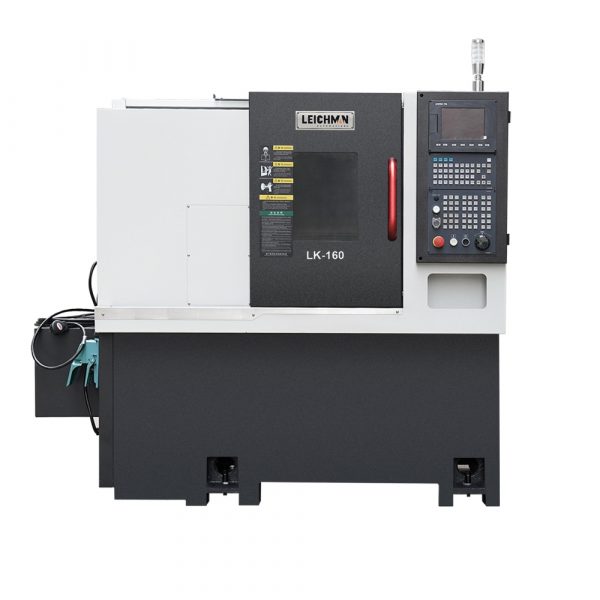
Where twin turret lathe designs fall short
twin turret lathe layouts promise efficiency: two turrets, rapid tool changes, and less handling. I’ll be direct — they solve many problems, but they also hide a few that trip up shop teams. First, dual setups increase system complexity. Live tooling and subspindle coordination demand tight sync. If tool offsets or spindle speed profiles are off by a hair, you get chatter, scrap, or ruined fixtures. I’ve seen shops lose hours just chasing an offset error that sprang from a worn tool holder.
Why does that matter?
Look, it’s simpler than you think: the more moving parts and simultaneous operations you add, the more fragile your margin for error becomes. Servo motors age. Tool offsets drift. Live tooling bearings heat up over long cycles. Those are real, measurable failure modes. I’ve learned to ask about maintenance history early in a purchase or retrofit conversation. If you don’t, you’ll pay later in unexpected downtime and higher scrap rates.
Looking ahead — new methods and what to compare
When I step back, I like comparing options rather than buying into buzz. New control algorithms and predictive maintenance sensors change the game for a twin turret cnc lathe. Case in point: shops that add simple condition sensors to spindle bearings and monitor torque see fault signs days earlier. That buys you planning time. It’s not magic — it’s data and small investments. — funny how that works, right?
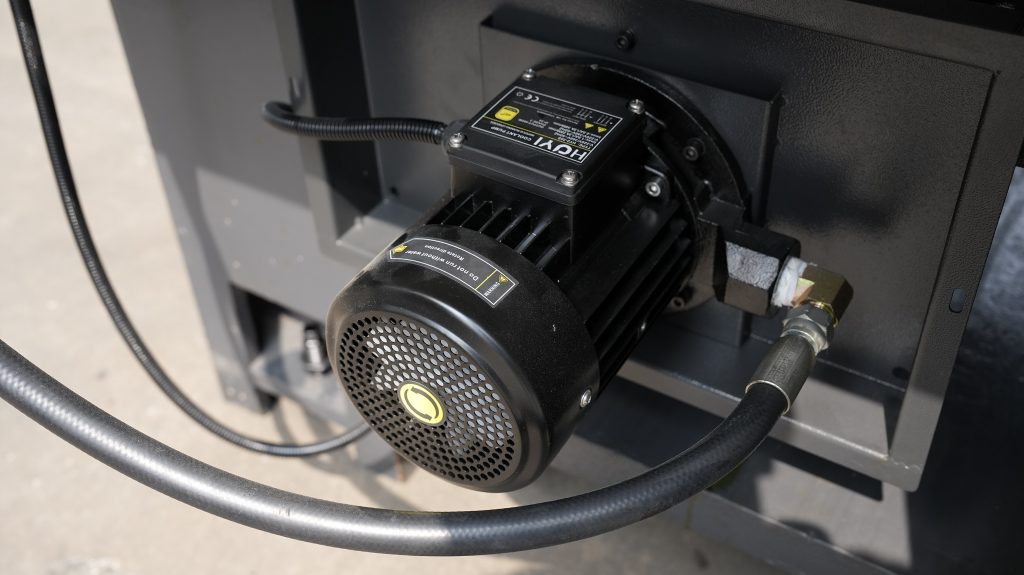
If you’re picking a machine or planning a retrofit, focus on three metrics I actually use when advising shops: 1) mean time between failure (MTBF) for critical subsystems; 2) the ease of updating tool offsets and control parameters on the fly; and 3) vendor support for firmware and spare parts. These give you a practical window into real uptime and long-term cost. I prefer choices that balance throughput with maintainability. If a machine wins only on cycle time but loses on serviceability, you’ll feel that cost every month.
In closing — I want to be honest: I favor solutions that let teams sleep at night. Measure what you can. Watch spindle vibration trends. Track tool life against actual production. Those signals tell you more than glossy specs. If you need a place to start evaluating options, check what Leichman offers and then line those three metrics up against their specs — you’ll see the differences quickly.