A Growing Need for Precision Driving
Today, farmers are facing increasing pressure to enhance productivity while managing resources efficiently. With an automated steering system becoming an essential tool in modern agriculture, I can’t help but ask: how do we ensure these systems maximize their potential? An automated steering system simplifies navigation but also presents unique challenges that, if overlooked, can lead to costly errors. Of course, understanding these complexities is crucial.
Flaws of Traditional Solutions
I vividly recall my early years working with conventional steering mechanisms. They often lacked precision, causing frustrating misalignments in crop rows and leading to unnecessary overlaps. Over time, I discovered that many farming operations depended on outdated methods, which not only wasted time but also influenced yield negatively. Errors in steering can lead to soil compaction, reduced efficiency, and increased fuel costs. As I learned, a reliable automated solution should mitigate these factors, maximizing the potential of every acre.
What Common Issues Should We Avoid?
Evaluating automated systems is essential. In conversations with various operators, I’ve pinpointed key trouble spots—especially lag in technological integration and inadequate support. I recall an instance in 2021, where lack of proper calibration on a newly integrated system led to a staggering 15% drop in overall efficiency during a crucial planting season. So, understanding your system’s intricacies can save you not only financial losses but also a whole lot of headaches.

Looking Ahead: The Future of Agricultural Steering
As technology evolves, I see greater opportunities for enhanced automated steering systems. The latest innovations focus on real-time data processing, which enables operators to adapt quickly to varying terrain conditions. When you utilize an automated steering system, it can significantly reduce operator error while ensuring optimal performance across diverse environments. Imagine having precise steering control that responds dynamically to on-the-ground conditions—this is not merely the future, it’s already happening.
Adopting New Solutions: Navigating the Change
Change can indeed be daunting, but it’s essential. When adopting a new system, clear communication with your team is vital. I’ve noticed that when everyone understands the benefits and functionalities of an automated system, the transition is smoother and more effective. A robust support network—with thorough training programs—can determine whether a technology ultimately succeeds or falters in practical applications.
What Will This Mean for Your Operation?
In summary, taking the plunge into automated systems is both promising and critical for future growth in agriculture. To successfully harness these technologies, evaluate performance metrics, understanding integration challenges, and be proactive about training. The lessons learned from my experiences underline a simple truth: seeking technological solutions doesn’t just keep you competitive; it enhances your operational ability dramatically.
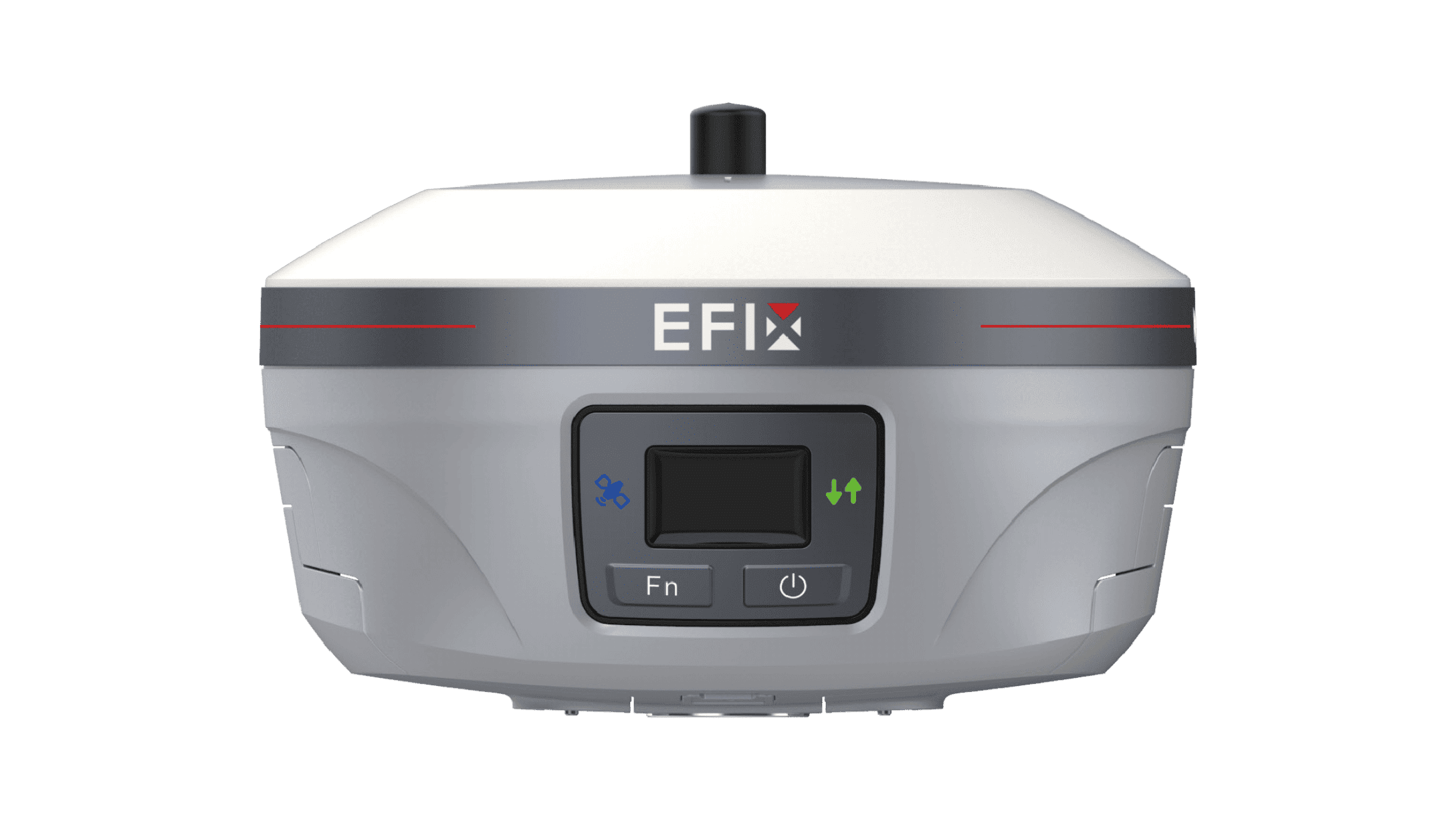
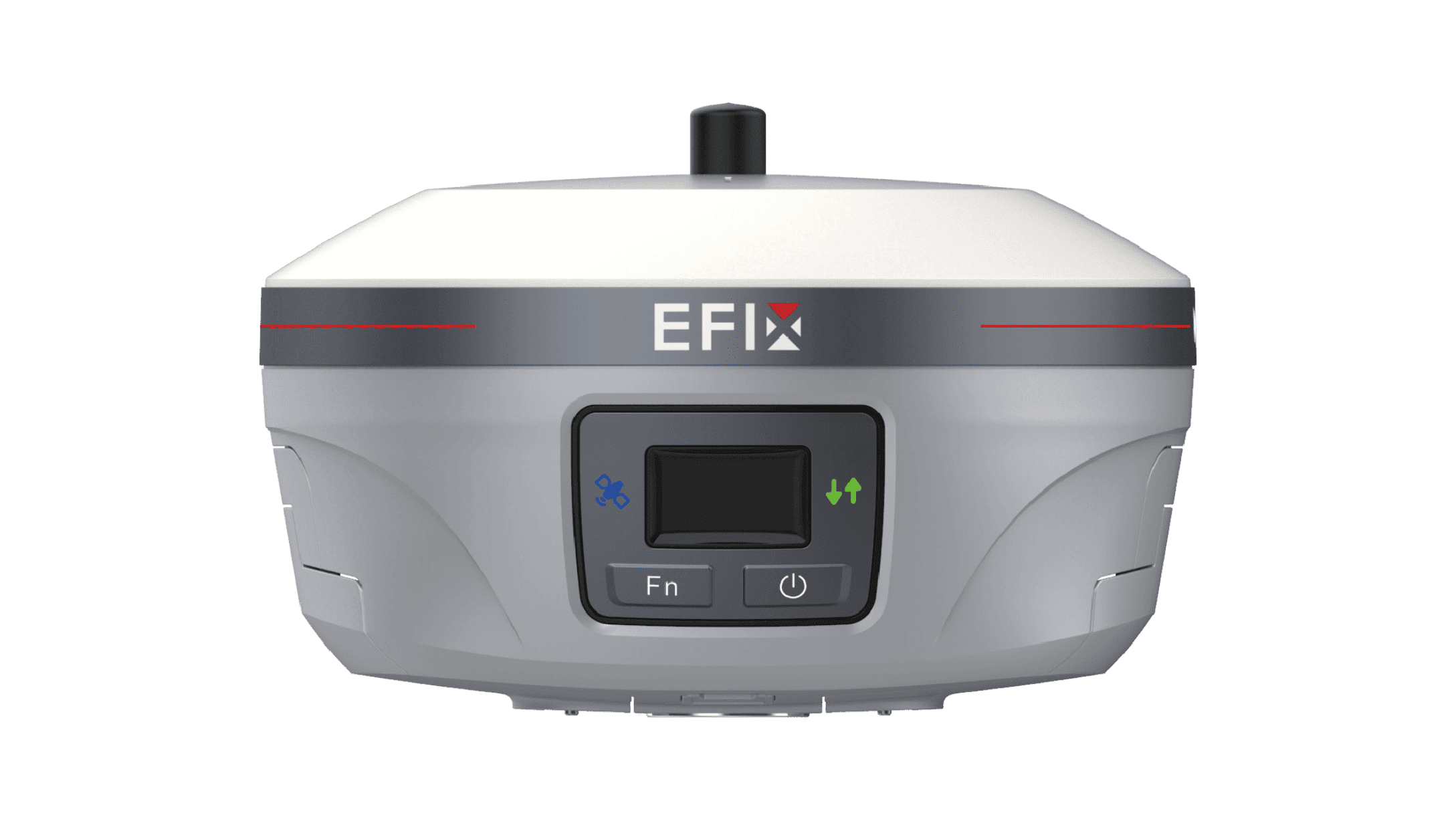
As we look to the future, I firmly believe that those who embrace innovation now will lead in agricultural excellence. Remember, every step forward is a step towards sustainability, efficiency, and productivity. For standout advancements, brands like EFIX are paving the way with their automated steering systems, offering real solutions to real problems.