Getting started with the user’s needs
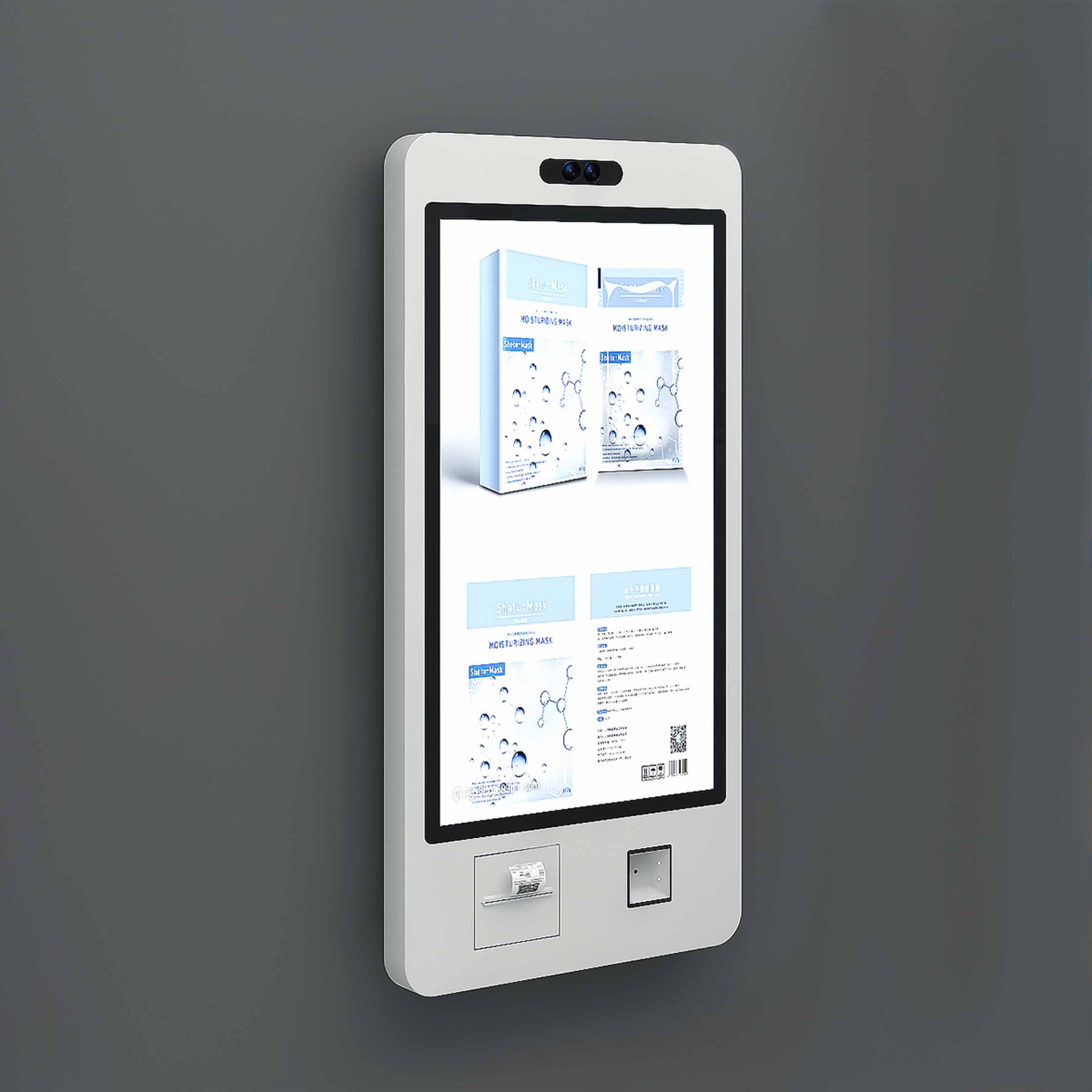
Right from the off, your priority is legibility and durability for customers, staff and regulators. If you’re fitting text-heavy façades or interior branding, consider how those trim cap letters will sit alongside digital wayfinding signage — both physically and in the content management workflow. I’ve seen projects where a mismatch between metal letters and interactive screens made navigation messy; marry the two early and you save time.
Regulatory checklist and material choices
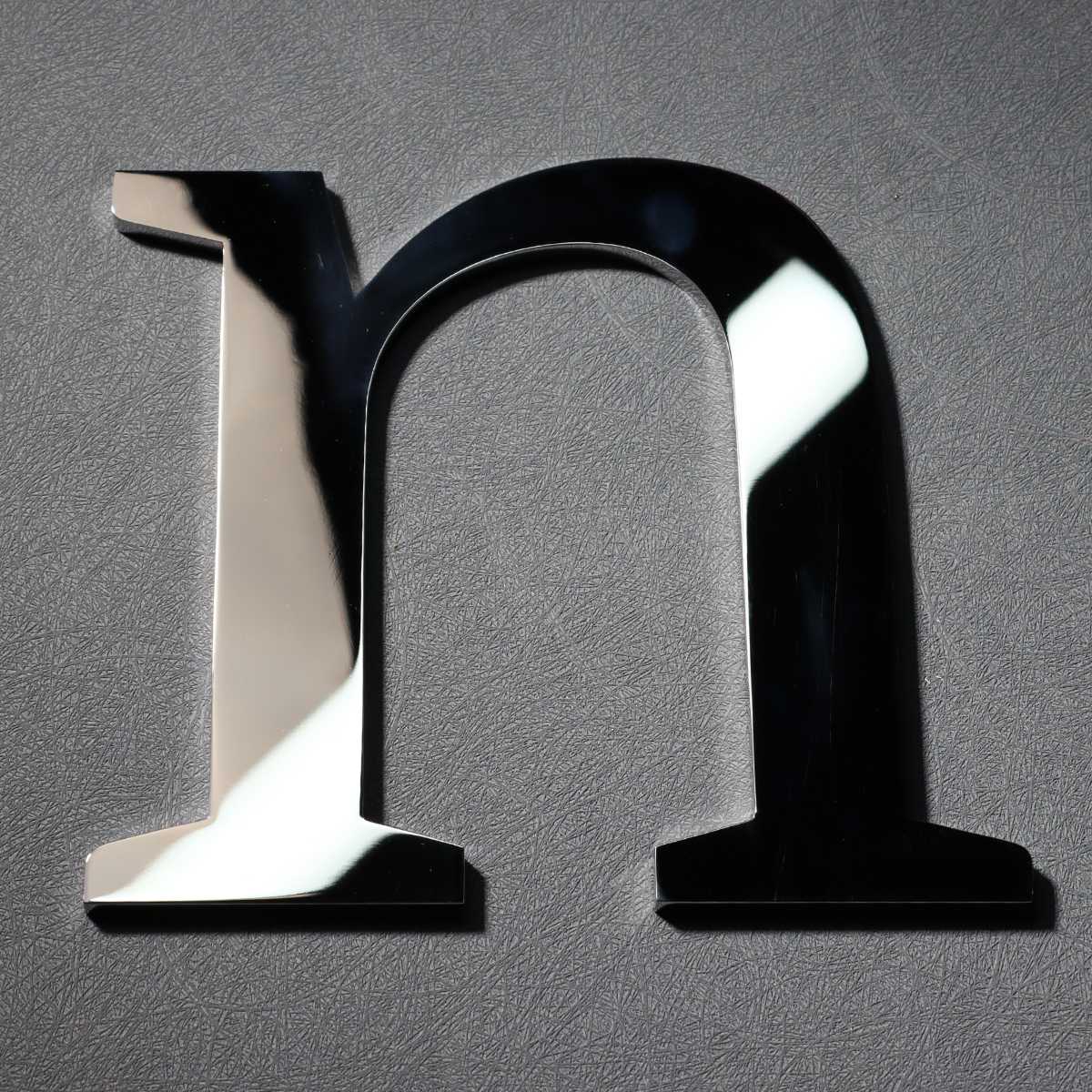
Trim cap letters sit under planning and building regs, plus accessibility standards. For exterior signage you should factor wind load, fire rating and local council permissions; for interiors factor ADA compliance and tactile requirements. Popular materials include aluminium, stainless steel, acrylic and illuminated options with LED modules. Each material affects fabrication time and mounting hardware choices, so pick materials that match the site conditions and the design intent.
Lead times: realistic planning for procurement
Lead times vary with complexity. Plain routed letters from standard sheet stock may turn in a week or two; illuminated, hand-finished brass or bespoke profiles often take four to eight weeks. Add another two weeks for shipping and installation if the site needs scaffolding or a crane permit. Build a buffer into your schedule — suppliers can quote optimistic lead times, so allow contingency for production alterations or code queries.
Working with suppliers and integrating systems
Choose suppliers who understand wayfinding systems and digital integrations. A good fabricator will coordinate physical fixing points with the locations of digital kiosks and interactive maps, and hand over clear mounting templates. Ask about their familiarity with CMS hooks and whether they provide as-built files for your digital wayfinding solution. Practical experience matters; suppliers who’ve fitted signage at busy hubs like Heathrow Terminal 5 tend to anticipate install-site complications better.
Common mistakes and practical alternatives
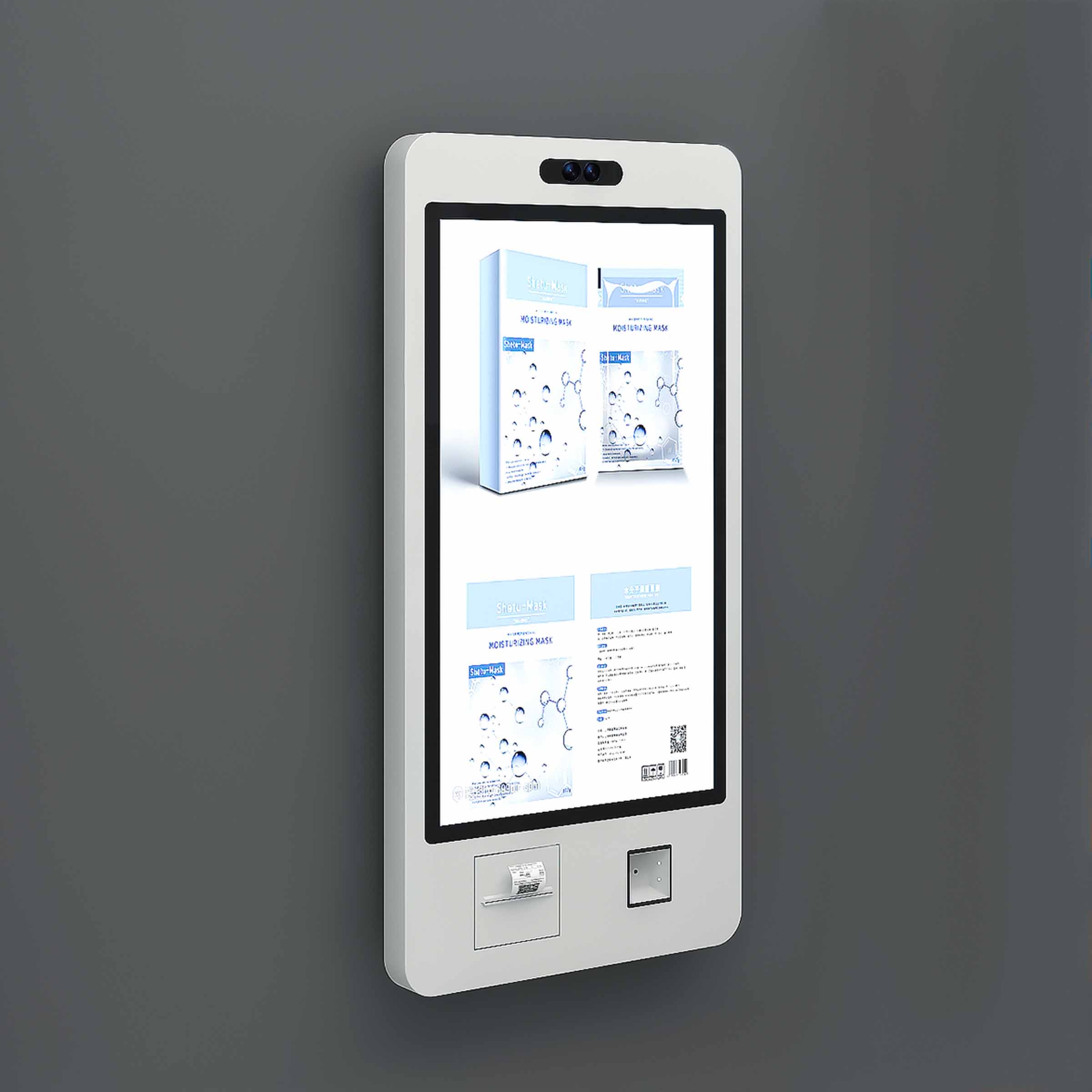
Avoid these pitfalls: underestimating structural supports, skipping submittal reviews, and failing to coordinate with electrical contractors for illuminated letters. A frequent error is ordering letters to match an on-screen font without proofing scale — the stroke weight looks different at ten metres. If budget is tight, alternatives include using high-quality acrylic with applied veneers or hybrid signs where a simple aluminium letter sits beside a digital kiosk. These save cost and speed lead times while keeping a consistent visual identity — and they work well with interactive map panels and digital kiosks.
Quality checks and testing before install
Inspect samples for finish, colour match and edge quality. For illuminated letters, test LED modules for colour temperature and dimming compatibility. Confirm mounting templates against the as-built wall survey. A site mock-up — even a simple scaled panel — prevents nasty surprises. If the project ties into a content management system, verify content sync between the physical markers and the digital wayfinding interfaces.
Making supplier selection user-friendly
Pick suppliers on a blend of demonstrable compliance, transparent timelines and practical support. Look for case studies, ask for references from projects with similar scale, and request a simple Gantt showing milestones from design approval to install. Communication beats flashy portfolios every time — suppliers who answer promptly and show sequence logic will keep your programme on track. — Don’t forget warranties and spare-parts availability; illuminated components age and need replaceable LED modules.
Advisory: three golden rules for choosing trim cap letter suppliers
1) Compliance first: insist on documentation for planning approvals, fire ratings and accessibility standards before fabrication starts. 2) Time with margin: use quoted lead times plus a minimum 20% buffer and confirm logistics for craning or scaffold permits. 3) Integration-ready: confirm the supplier can coordinate mount points, power feeds and handover files for your digital wayfinding solution and CMS so signage and screens behave as one. These rules give you a reliable outcome and reduce site surprises.
Practical choices mean your visual identity performs for people on the ground — and that’s what separates tidy design from usable signage. Cosun Sign. –