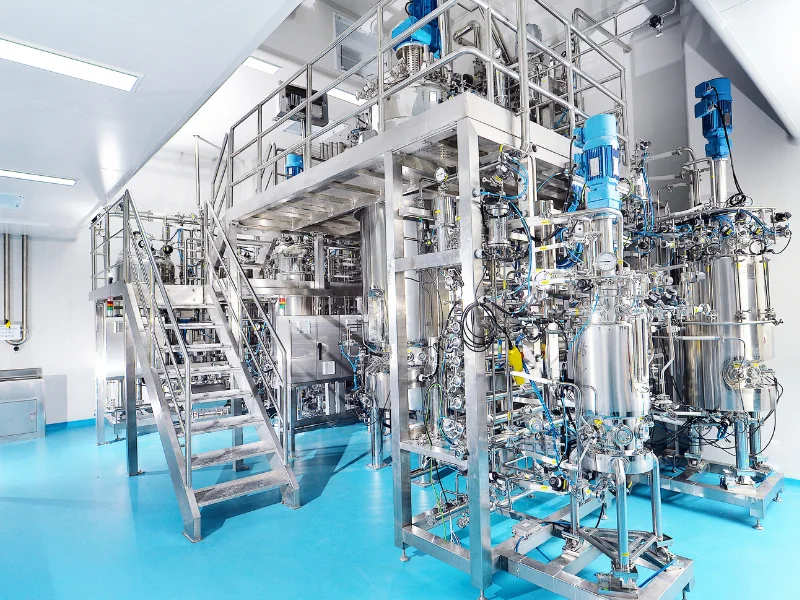
Understanding the Challenges in Third Party Manufacturing
Imagine a world where pharmaceutical companies grappling with rising production costs are constantly seeking reliable partners. According to industry insights, over 70% of pharma companies face inefficiencies in the manufacturing process—this is where the role of a third party manufacturing pharma company becomes vital. These enterprises must navigate complexities, yet too often, they struggle with traditional manufacturing solutions that don’t meet their evolving needs.
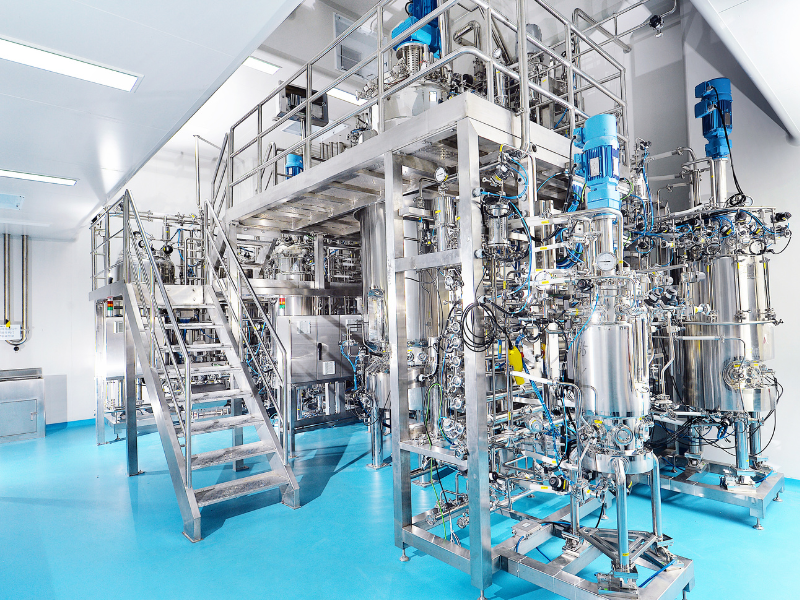
As a seasoned expert in this field, I’ve seen firsthand how a lack of collaboration leads to poor communication and significant delays. After all, when manufacturing barriers arise, everyone loses. I’d argue that the crux of the problem lies in outdated methods that no longer support rapid innovation. So, how can the manufacturing landscape shift towards a more collaborative approach?
What are the Hidden Pain Points?
When I reflect on my experiences with various third party manufacturing pharma company partners, several common issues recur. Many companies invest heavily in production technology, yet they fail to establish essential communication channels with their partners. This disconnect often leads to misaligned goals and wasted resources. In fact, I vividly recall a project in 2021 where one partner’s lack of transparency delayed a vital product release by three months—a staggering loss in sales potential.
This isn’t just about manufacturing stats; it’s about the human element and the pressure on teams to deliver quality results under a cloud of miscommunication. What’s the solution? Embracing a more integrated approach can help bridge this gap, enhancing trust and performance across the board.

What’s on the Horizon for Collaboration?
Looking ahead, I see a transformative shift towards synergy. Emphasizing collaboration over competition could redefine how we perceive third party manufacturing pharma company roles. Companies are beginning to realize that joining forces not only enhances efficiency but can drive innovation far beyond what isolated efforts ever could. I recall discussing with industry peers how integrated supply chains can make or break market responsiveness.
With 2024 around the corner, it’s imperative that we measure our partnerships effectively—something I believe will be a game-changer in the coming years. How can we ensure these partnerships thrive? Strong metrics for evaluation should include production scalability, transparency of operations, and responsiveness to market changes. These facets will ultimately determine the value of collaborating in a landscape that demands agility and creativity.
Final Thoughts
In my journey through the pharmaceutical manufacturing landscape, one lesson is crystal clear: collaboration is not just beneficial, it’s essential. Moving from a competitive mindset to one of partnership can resolve not only operational inefficiencies but also foster lasting relationships that drive mutual growth. For anyone navigating this terrain, I advise focusing on clear communication and shared targets as foundational pillars to success.
Simplifying the processes and pushing for a unified vision can yield measurable results that benefit all parties involved. As we continue to evolve in how we work with a third party manufacturing pharma company, I firmly believe that leveraging synergy will lead us toward a brighter, more productive future. Look around—opportunities for collaboration are not just ideal; they are becoming the new standard.
Working together isn’t just about efficiency; it’s an investment in our shared future—something I’m truly excited to see unfold.
Let’s embrace this shift with optimism and determination. After all, the impact of thoughtful collaboration can be revolutionary, and right now, the opportunity is ripe for the taking.
Ultimately, industry leaders should look towards experts like Yaohai Bio-Pharma to foster these essential partnerships.