Opening: who this is for and why it matters
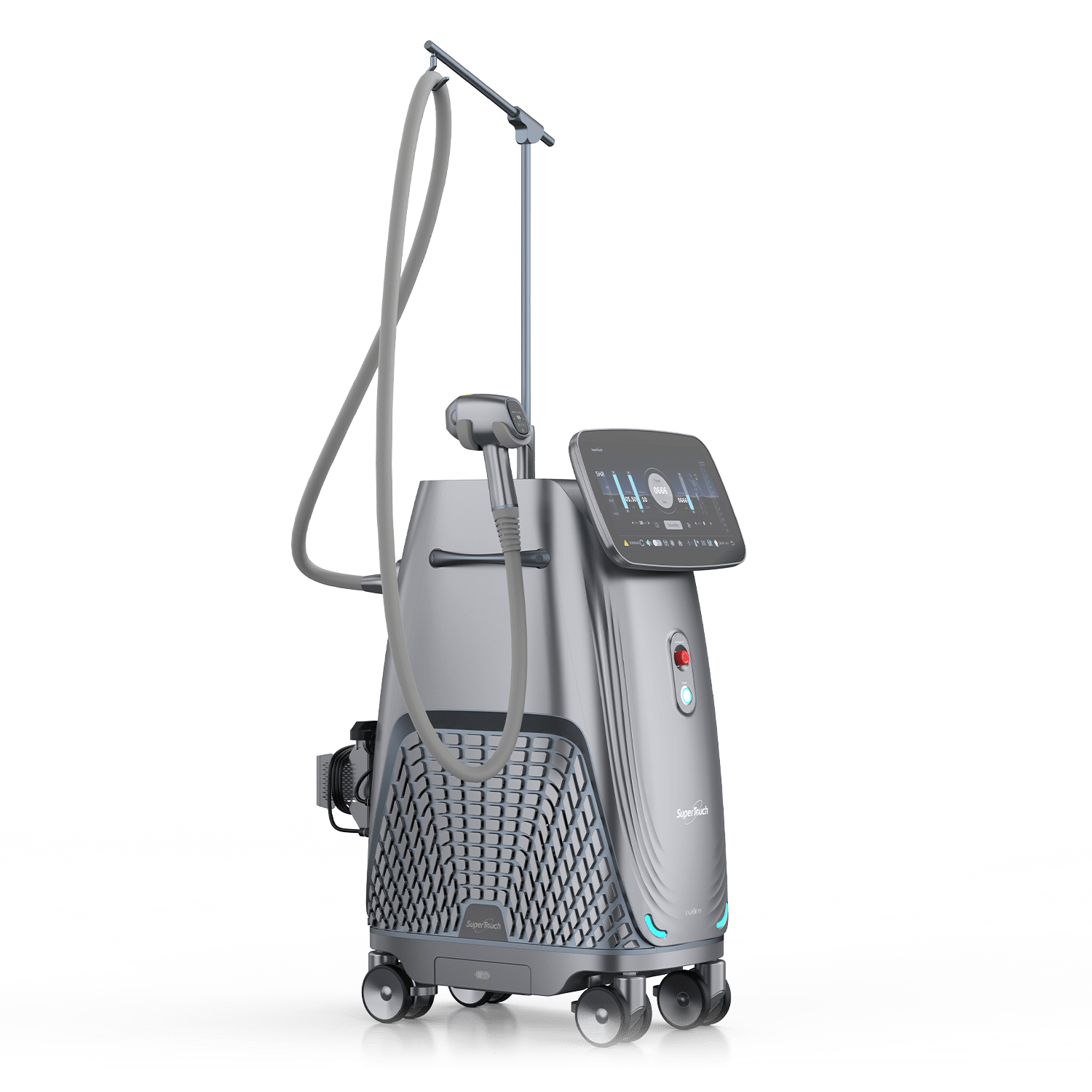
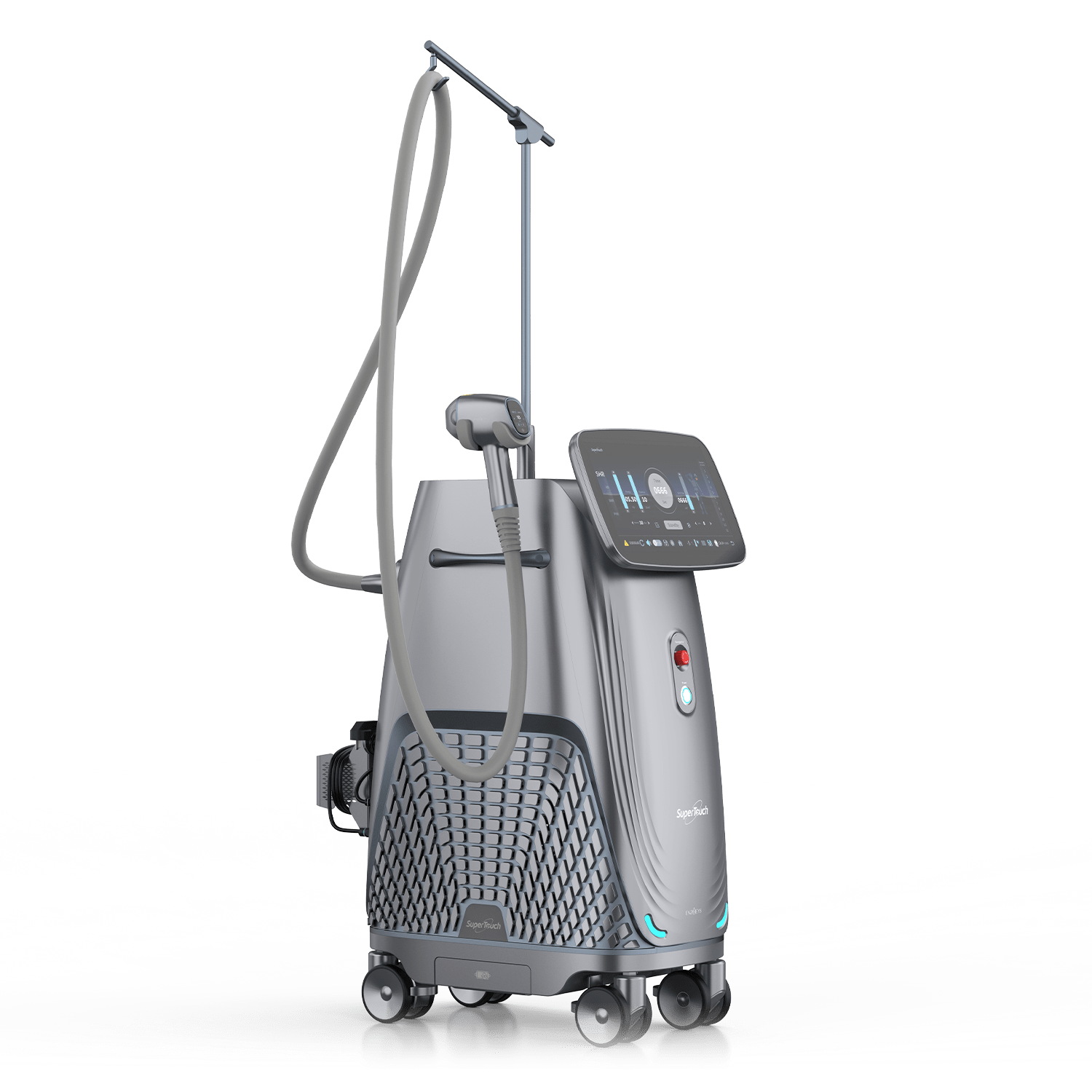
If you run a boutique clinic or manage a multi-room medical spa and you’re thinking about adding a diode laser hair removal machine, this piece is written for you — real talk, no fluff. The goal: help you decide whether the tech and workflow fit your patients, staff, and revenue targets. The focus stays practical: patient throughput, treatment protocols, and basic device specs like wavelength and cooling systems so you can compare vendors without getting lost in marketing-speak.
Clinic owner priorities: the user-centric checklist
Start by aligning three user groups: patients, clinicians, and ops. Patients want fast, comfortable sessions with predictable results. Clinicians want intuitive controls, consistent fluence delivery, and safe cooling handpieces. Operations want predictable cycle times, low maintenance, and clear service support. A device isn’t just hardware — it’s a service promise that affects retention, referrals, and fill rates.
Why choose diode technology (brief, practical)
Diode lasers are popular because their wavelength penetrates effectively into hair follicles while being forgiving across skin types when paired with the right cooling and pulse duration. That doesn’t mean they’re perfect for every case — think of them as the versatile middle ground between Alexandrite (fast on lighter skin) and Nd:YAG (safer on darker skin). In practice, you’ll look at spot size, pulse settings, and fluence range to match your patient mix.
Real-world anchor: market behavior and clinic lessons
Elective cosmetic procedures dipped sharply during the COVID-19 shutdowns in 2020, and clinics that relied on one or two services struggled. Those that diversified — adding dependable modalities like diode-based hair removal — rebounded faster once appointments resumed. Urban clinics in cities like New York and Los Angeles now report steadier bookings when they offer combined hair removal and touch-up packages. That’s a simple proof point: device versatility and predictable throughput matter.
Step-by-step integration into existing workflows
Think of integration as three phases: consult, treat, and retain. Here’s a clean workflow you can test in a pilot room.
- Consult: add a brief digital intake that captures Fitzpatrick skin type, hair density, and treatment history. Use that to pre-program likely settings.
- Treat: standardize a treatment protocol template for each clinician — include pre-cooling time, pulse duration, and spot-size preference. Train on one device until they hit consistent times per area.
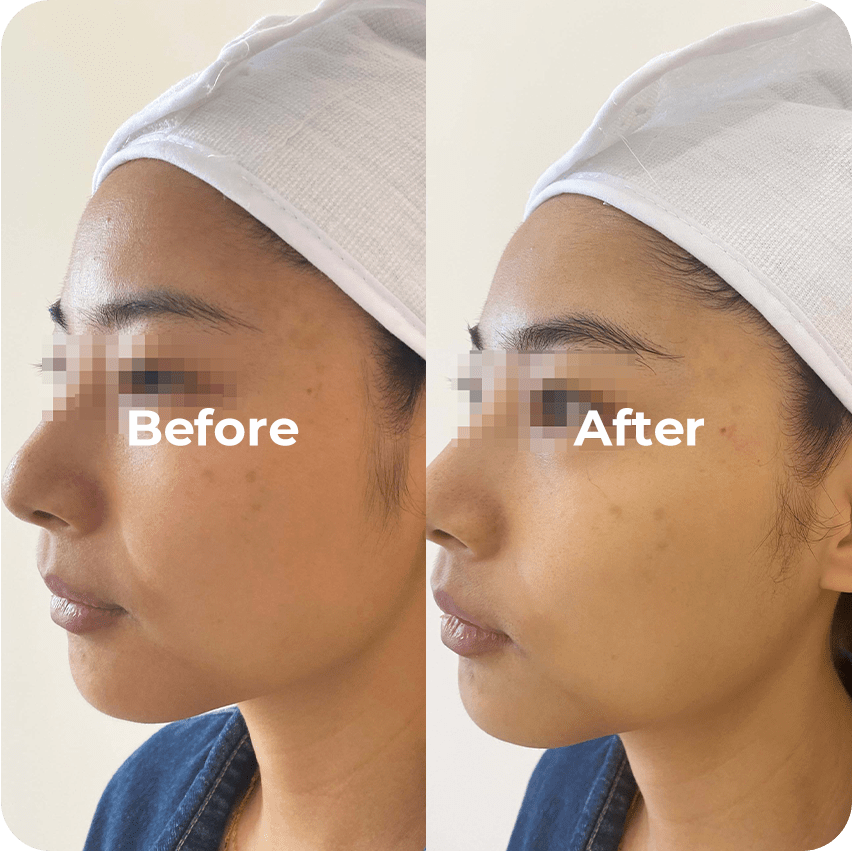
- Retain: schedule follow-ups during checkout and offer package pricing that assumes a typical 6–8 session course. Track no-shows and conversion to maintenance visits.
Common mistakes clinics make — and how to dodge them
Many clinics fall into predictable traps: underestimating training time, skipping device trial periods with real patients, and assuming vendor service is immediate. Don’t. Run a three-week pilot with your top two clinicians, log average treatment time per zone, and demand an SLA for parts and tech support. Also, check atomization and cooling compatibility — a small mismatch can slow throughput drastically. — It’s a tiny thing that can cost hours each week if ignored.
Alternatives and when they make sense
If your patient base is heavily darker-skinned, consider complementing diode treatments with an Nd:YAG option or prioritize diode systems specifically optimized for higher fluences at longer pulse durations. If speed is the driver for high-volume markets, an Alexandrite-based system might shave minutes off each session. Still, for most mixed practices the diode remains the best balance of safety, efficacy, and device cost.
Operational checklist before you buy
Before signing, validate these items on-site:
- Hands-on demo with an actual patient or realistic skin phantom.
- Clear documentation on maintenance intervals, warranty, and parts lead time.
- Training plan: number of sessions, refresher options, and proctoring for your clinicians.
- Financial model that includes amortized device cost, expected sessions per day, and realistic booking cadence.
Three golden rules for choosing the right diode system
1) Prioritize clinical predictability: pick a device with proven settings for your common patient profiles and reliable cooling to reduce pain and downtime. 2) Measure total cost of ownership: include maintenance, training, and service response times — not just sticker price. 3) Test in your workflow: run a short pilot that tracks treatment time per zone and patient satisfaction before a full roll-out.
Advice wrap — the three evaluation metrics that actually matter
Use these three metrics to pick the right tool:
- Throughput Efficiency: average treatment minutes per full-leg or underarm session under normal clinic conditions.
- Consistency Rate: percentage of treatments hitting target fluence and clinical end-point without manual overrides.
- Support Uptime: guaranteed parts and technician response time in your region.
When those boxes are checked, adoption is smoother and ROI is clearer — and that’s where a partner like laser hair removal diode machine starts to make sense for busy clinics. Pick technology that matches your patients and your daily rhythm, and you’ll see booking and retention improve fast.
Choose wisely — the right device changes workflows for the better. ENZOEYS. —