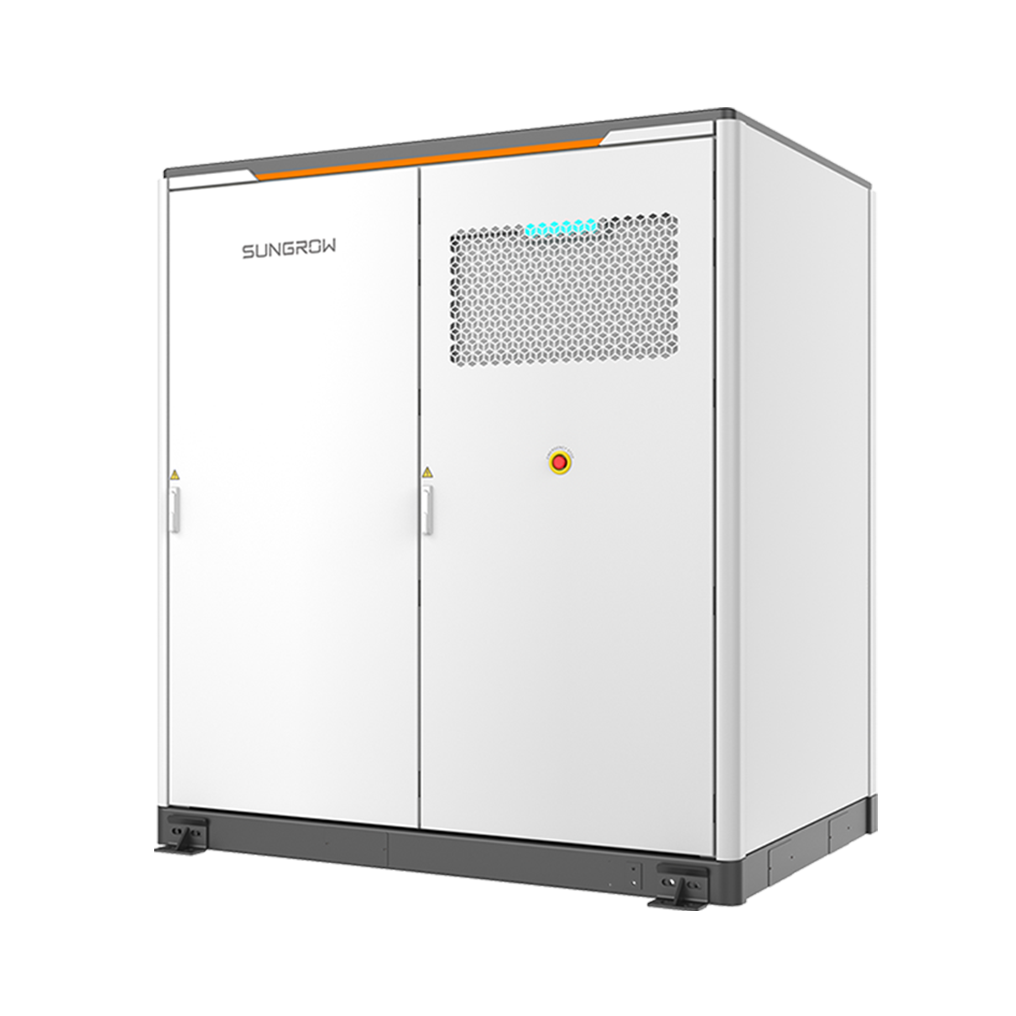
During a late-afternoon outage at a small coffee roastery, my client lost nearly 40% of daily sales in two hours—what’s the point of a backup system if that keeps happening? I’ve spent years working with C&I Energy Storage projects and I can tell you it’s more than gear; it’s about design, operations, and real-world economics.
The real pain: why commercial battery storage still trips up operators
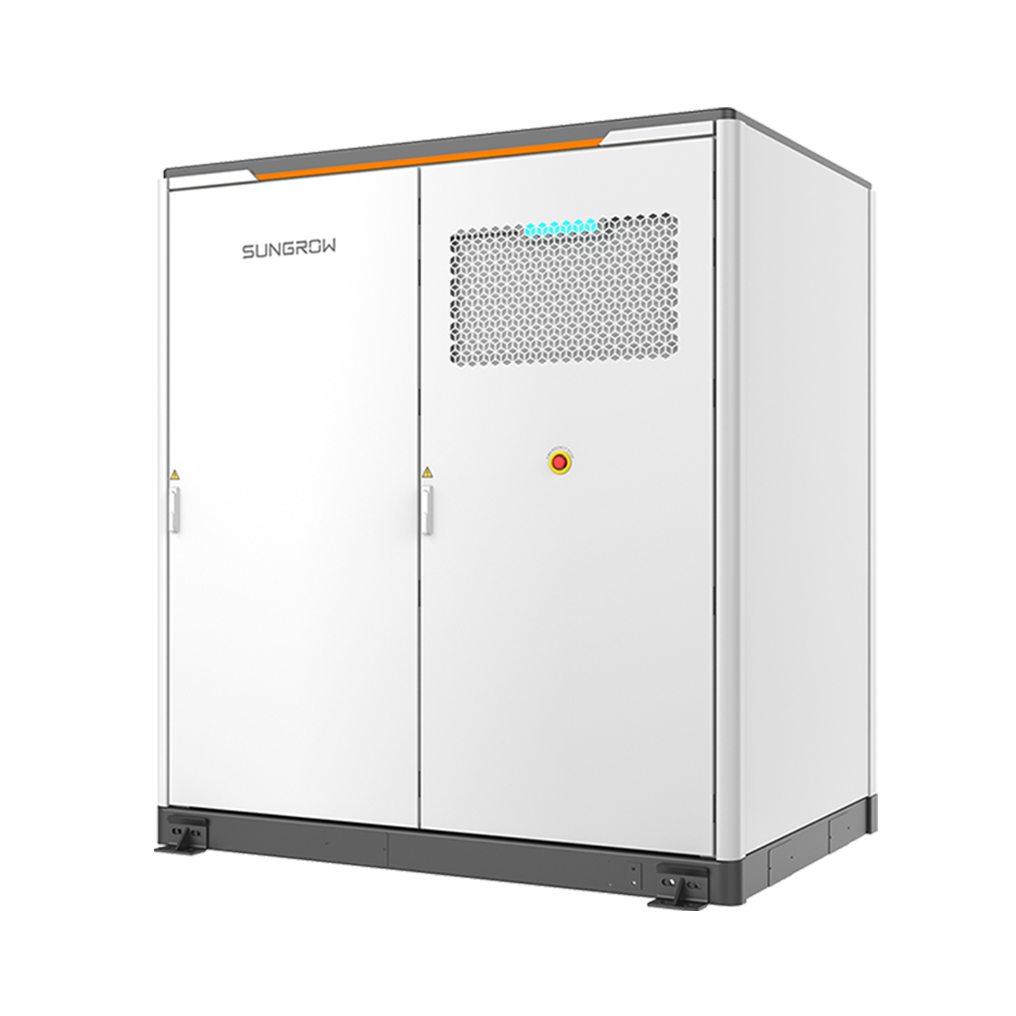
I remember standing on a hot rooftop in Oakland in June 2022 while we commissioned a retrofit: a 500 kW inverter paired with an 860 kWh lithium‑ion BESS on a 120,000 sq ft warehouse (that install still taught me a lot). The headline problems are obvious—capacity fade, clunky software—but the deeper flaws are the ones that keep people awake. I’ve seen systems undersized against peak demand because the spec sheet only chased CAPEX, not real peak-shaving needs; conversely, systems are sometimes oversized without aligning with tariffs, which kills ROI. That mismatch between design and economics is where most promise gets wasted.
Operational pain points hide under friendly vendor demos. Commissioning teams ignore thermal throttling patterns (so batteries de-rate during hot afternoons), maintenance contracts exclude BMS firmware updates, and integrators don’t model inverter losses into round‑trip efficiency. Clients call me six months after go-live and say the software alerts are “too many,” the dashboards don’t match utility meter data, or the warranty language is vague about cycle counts—those are not abstract issues. I’ve tracked a retrofit where an uncorrected inverter configuration shaved 7% off expected delivered energy, translating into a tangible $9,000 annual loss for that facility. No joke, those small technical misses add up fast.
What’s really breaking?
It’s not just batteries failing; it’s the assumptions behind system sizing, the invisible handoff between procurement and operations, and the human factor—training, documentation, and real acceptance by facility teams.
Let’s shift to what actually works next.
Ahead: practical fixes and the metrics that matter
Here’s the truth: most upgrades that make a commercial storage system reliable and profitable are simple and measurable. First, you must align installed commercial battery storage capacity (kWh) and power (kW) to the real load shape and tariff structure—not a vendor’s idealized curve. Second, insist on documented inverter behavior under partial‑state‑of‑charge and on published round‑trip efficiency figures that include DC/AC conversion losses. Third, build in maintenance and firmware update clauses in the contract so the BESS isn’t running on stale logic six months after handover.
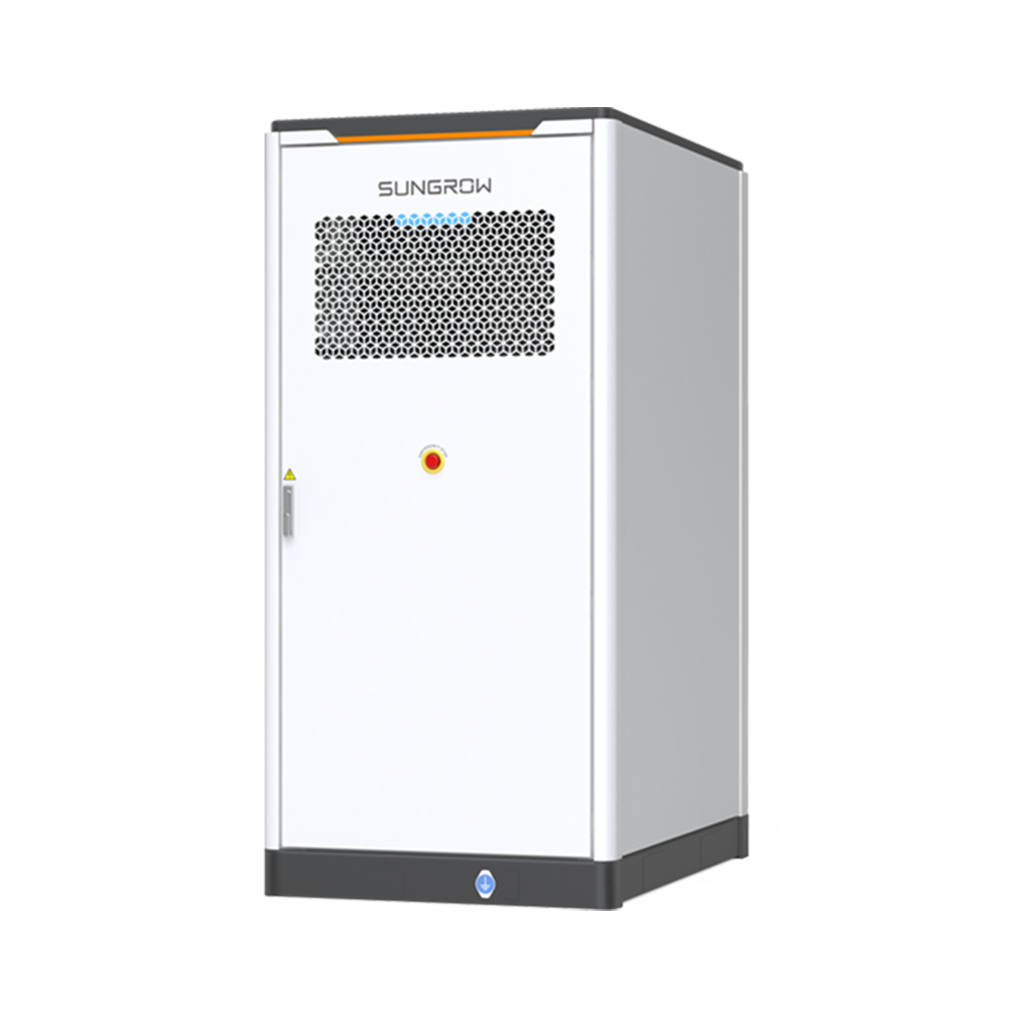
From a comparative perspective, weigh DC‑coupled vs AC‑coupled architectures by actual site performance data, not marketing slides. I ran side-by-side monitoring on two systems in the East Bay—one DC‑coupled, one AC‑coupled—and the DC site achieved 2–3% better delivered energy in the critical afternoon window because it avoided an extra conversion step. That difference paid back over time. Also consider vendor honesty on degradation curves; if a battery vendor promises 80% capacity at year ten but can’t show measured field results, push for performance guarantees tied to energy throughput.
What’s next?
I’ll be blunt—pick partners who share real telemetry and who have a demonstrated track record (I’ve worked with clients across five states and documented outcomes). Evaluate three core metrics before signing: lifecycle cost per kWh discharged (not just upfront cost), measured round‑trip efficiency including inverter losses, and guaranteed degradation rates tied to cycles or years. Compare scenarios with simple sensitivity runs—peak shaving vs demand response—and you’ll see which approach actually saves money. Oh, and ask for site‑specific commissioning reports. It matters. — And yes, testing under real load is non-negotiable.
These steps are pragmatic, not flashy, and they’ve cut payback timelines in projects I managed (for example: a June 2022 retrofit I mentioned dropped expected payback from 8 years to 5.5 after small controls fixes). I believe clear metrics beat shiny demos every time. For practical deployments, I trust partners who back claims with data—like sungrow.