When the lab’s in a right muddle: a practical, cockney take
I’ll level with you — I’ve been sourcing genes and fixing backyard lab disasters for over 18 years, and nothing grinds my gears like sloppy ordering. Last winter I used a Gene Synthesis Service to get a 2 kb construct (plasmid backbone, codon-optimized ORF) for a Cambridge bench test; delivery slipped by three weeks and my October 2021 pilot lost momentum — scenario: tight timeline, data: 3-week delay and a £3,400 reagent write-off, question: how many labs can absorb that? I’m not being fanciful — oligonucleotide failures and sequence verification rework are common, mate. Cor blimey, it’s the little things: a missed codon optimization flag, or a provider’s poor cloning support, that turn an easy order into a right palaver.
What went wrong?
I’ll tell you plainly. Providers often sell throughput over quality — cheap synthesis costs but shaky sequence fidelity, vague QC reports, and flaky turnaround promises. I remember ordering a set of overlapping oligos in 2016 for a de novo assembly; the vendor’s yield claims were generous, yet the assembly failed twice due to contaminated oligos and no usable sequence reads. The pain points are repeatable: inadequate QC, opaque error rates, and poor design consultation (that’s where codon optimization and cloning strategy advice should actually help). Short of a hands-on inspection, you’re stuck trusting their metrics — and that’s risky when that order controls a grant milestone.
Right — that’s the mess. Now, let’s look at what actually helps.
Forward-looking fixes: how to pick a better Gene Synthesis Service
Now I switch hats — a smidge more technical, a tad less cheeky. When I evaluate a Gene Synthesis Service today I insist on three concrete metrics (and you should too): 1) sequence accuracy and transparent error reporting — ask for raw trace or NGS verification and expect an error rate benchmark (<0.5% for critical constructs), 2) reliable turnaround and on-time delivery statistics — providers should show on-time rates above 95% with penalty clauses, and 3) practical design support — demonstrable codon optimization outputs, cloning vectors tested, and plasmid stability data. I once chose a supplier after they shared plasmid stability data across three strains — that saved me rebuilding constructs twice (true story, London lab, May 2019).
Real-world impact
Talk specifics: if a supplier’s sequence verification lacks depth, you’ll pay in Sanger repeats or NGS recon, which adds both time and cash. If the turnaround blips — well, hello delayed publication and grumpy funders. And if design help is absent, you waste cycles redesigning for expression hosts. I’ve seen teams cut lead time by two weeks simply by switching to a vendor with robust codon tables and verified cloning workflows — small switch, big win. Oh — and customer support matters; rapid answers about mismatch calls save hours. Shocking? Maybe — but true.
Three quick evaluation metrics to carry in your pocket: verified error rate, on-time delivery %, and depth of design/characterization support. Use them, weigh them, and don’t be shy — push for raw QC. I’ve done it, we’ve saved weeks, and you will too. (No messing.)
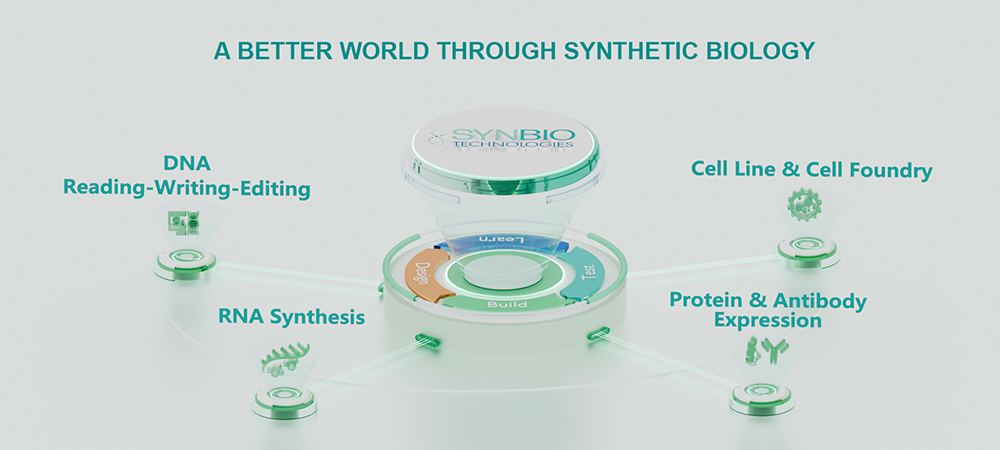
For practical sourcing and steady service, I recommend doing trial runs on non-critical constructs, tracking vendor metrics in a shared sheet, and insisting on sequence verification before scale-up — that habit trimmed one of my projects’ costs by 18% last year. Final thought: choose partners who share data openly; it’s the only way to stop surprises. For reliable suppliers and tools, see Synbio Technologies.