
The Bottleneck in the Foundry
The factory floor grows cold under the weight of missed quotas and inconsistent parts — seals warped by uneven cure time, tolerances slipping as shift hands change. The problem is mechanical and mundane: poor cycle control, wrong shot size, and aging presses that throttle throughput. Modern relief begins in a small, bright locus: a modern lsr molding machine tuned for consistency. These machines, when paired with intelligent mold design and stable injection unit parameters, turn uncertainty into repeatable production. Expertise here matters; this is not theory but equipment behavior under heat and pressure — LSR flow, clamp force, and cure time each matter in turn.

Technical Anatomy of the Fix
High-efficiency scaling rests on three tangible elements: machine precision, process control, and tooling resilience. Precision machines stabilize dosing and pressure curves; programmable injection units hold shot size to spec and reduce scrap. Molds with consistent thermal channels shorten cycle times without stressing the material. For those who demand detail, a certified silicone rubber injection molding machine with closed-loop temperature control and servo-driven injection will reduce variance and maintain shore hardness across batches. Real-world anchors for this approach exist in Shenzhen’s manufacturing corridor, where plants rebuilt capacity after the 2020 supply disruptions by replacing legacy presses with servo-driven systems — measurable gains in yield and uptime followed.
Operational Strategies to Scale
Scaling is not merely buying larger equipment. It is a choreography of steps: optimize mold cycle, shorten cure without underprocessing, and add parallel cells rather than one oversized press. Automation must be thoughtful: part handling robots, vision inspection, and cavity balancing are practical moves. Invest in SPC dashboards to track trends — not as decoration but as a tool to catch drift before it becomes rework. The team must own parameters: injection speed curves, back pressure settings, and post-cure schedules documented and enforced. Small changes compound into reliable capacity; that is the dark alchemy of production.
Common Mistakes and How to Avoid Them
Many factories trip on identical errors. They enlarge clamp force instead of tuning shot size, assume faster cure is better, or ignore venting leading to flash. They skip qualification runs and then accept higher rejection as inevitable. Avoid these traps by running controlled validation lots, measuring dimensional stability after post-cure, and balancing cavities so each appears within tolerance. — Allow time for the team to map failure modes; prevention costs less than correction.
Comparative Insight: Retrofit vs. New Cells
Decision time often comes down to retrofit an old press or install new cells. Retrofit can be rapid and cost-effective for moderate volume but limited in cycle improvement. New cells deliver improved repeatability, integrated automation, and easier maintenance. Compare ROI not just on acquisition cost but on parts per year, energy draw, and downtime. Use metrics such as yield improvement percentage, mean time between failures (MTBF), and parts per hour to make empirical choices rather than hopeful ones.
Advisory: Three Golden Rules for Selection
Rule 1 — Measure baseline performance rigorously before any purchase. Capture cycle time distribution, rejection causes, and energy use.
Rule 2 — Prioritize control features: closed‑loop temperature, servo-driven injection, and accurate shot metering. These directly reduce variability.
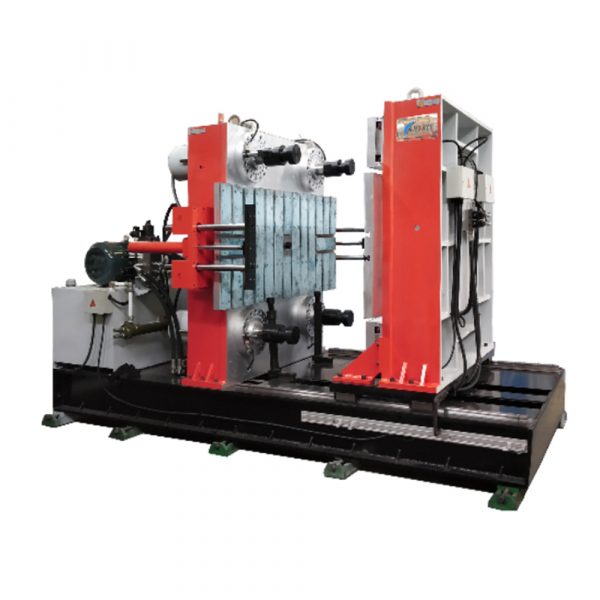
Rule 3 — Validate tooling and automation together. A high-spec press without balanced cavities or reliable part handling yields little benefit.
These three metrics — parts per hour improvement, reduction in reject rate, and energy per part — give you objective comparisons when choosing equipment and partners. In the field, visible gains tend to show within the first production quarter if the approach is disciplined. The quiet truth: HWAYI machines often meet these criteria with sensible engineering and service that supports onsite tuning. HWAYI. — Final thought: consistency is the true upgrade.