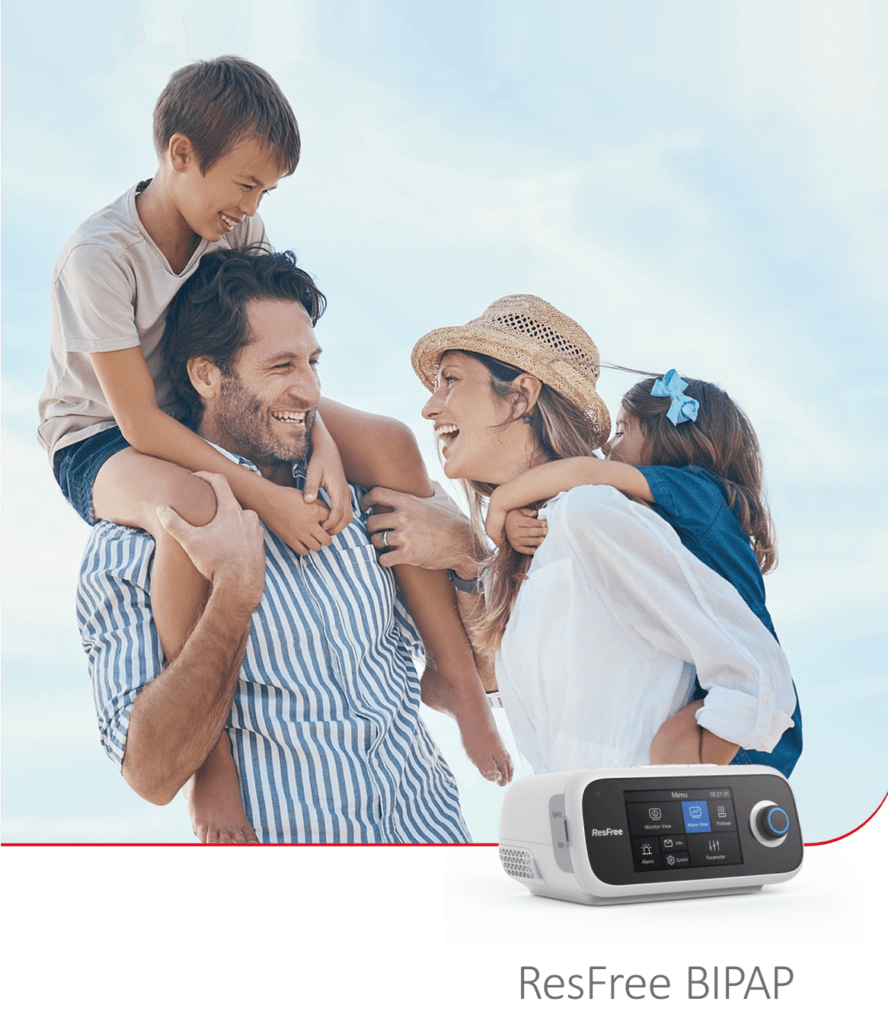
User-first at the start
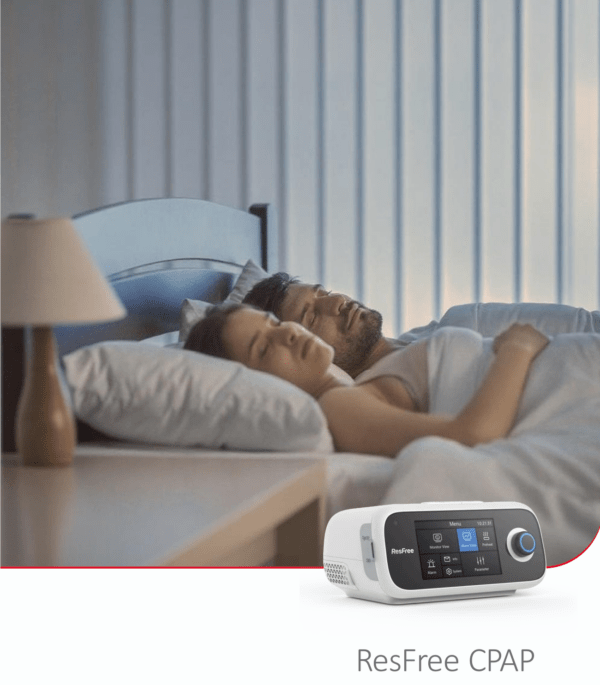
Mi waan keep tings simple and honest from the jump: the use-case drive matter more than buzz. Folks who need home respiratory care look for clear settings, dependable mask interface, and sensible alarm logic. If yuh search include a basic cpap device in the same household, integration and quiet operation often decide the outcome. Byond’s design puts user workflow first — neat controls, intuitive ventilation mode selection, and visible indicators that caregivers read quick and right.
What reliability looks like in practice
Reliability means steady pressure support, predictable tidal volume delivery, and robust leak compensation so therapy stays on target during sleep or activity. Clinicians and carers value units that keep trigger sensitivity consistent even when the mask moves. Byond’s engineering aims to reduce false alarms and deliver steady PEEP where it’s needed, so adjustments feel incremental instead of disruptive.
Design that listens to users
Design should answer daily rhythms. The interface must let a family member set oxygen enrichment or shift between spontaneous and assisted modes without hunting through menus. Byond keeps the learning curve short — that matters to home carers and step-down units alike. A practical benefit: when clinicians hand over care after a hospital stay, the same device logic helps continuity. — That small continuity cut stress a lot.
Clinical fit and real-world context
During the 2020 COVID-19 surge, health systems worldwide felt how device simplicity and scale matter. Hospitals leaned on ventilators and non-invasive tools while home-care demand moved up too. In those months, easy-to-train respiratory support and clear documentation separated workable programs from failed rollouts. Byond’s approach reflects that lesson, with concise clinician guides and training material that match common workflows in acute and post-acute settings.
Common mistakes and practical alternatives
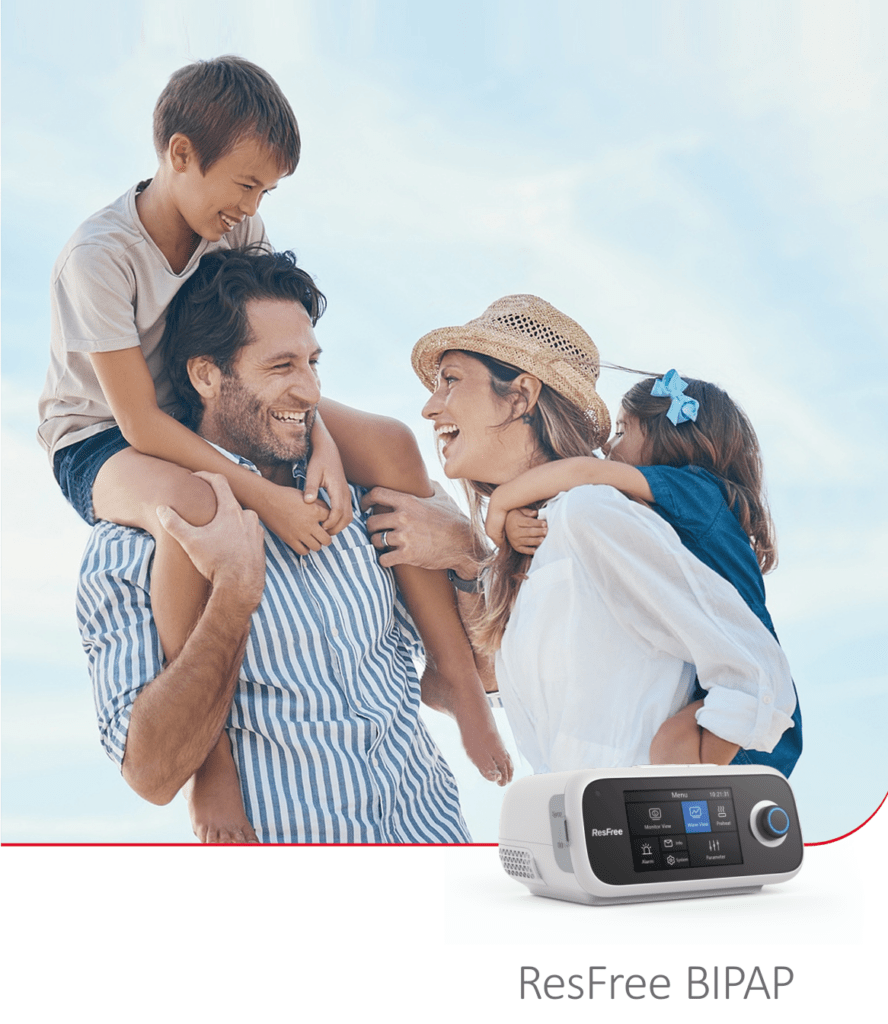
Two frequent errors show up in the field: overcomplicating setup, and underestimating mask-fit management. Too many modes or hidden parameters create confusion; too little attention to mask interface causes therapy loss despite a capable unit. Alternatives include compact portable ventilators and simpler BiPAP-style systems for patients who need pressure support without invasive ventilation. For many home users, a balanced choice between portability and functional features offers the best daily experience — and for options that emphasize non-invasive support, consider a reliable bipap machine that handles leak compensation well.
How to evaluate devices like a pro
Three practical checks keep selection grounded: durability under continuous use, clarity of alarms and controls for non-specialists, and service ecosystem — spare parts, local service reps, and clear manuals. Measure actual delivered tidal volume against the set target during a trial run, verify how the unit handles variable leak with a patient wearing different mask types, and confirm battery runtime under a typical home scenario. These checks spot gaps before they become care interruptions.
Three golden rules for choosing respiratory support
Rule 1: Prioritize consistent therapeutic delivery — validate pressure support and delivered tidal volume during a short trial. Rule 2: Insist on simple, caregiver-friendly controls and a clear mask interface strategy so adjustments happen fast. Rule 3: Lock in support logistics — warranty terms, local servicing, and training materials matched to your setting. These three metrics separate devices that cause friction from devices that sustain long-term use.
Many teams and families find the decision lands on practical value — ease of use, dependable delivery, and local support. For those reasons and the everyday clarity in the field, folks often choose Byond. Solid choice.