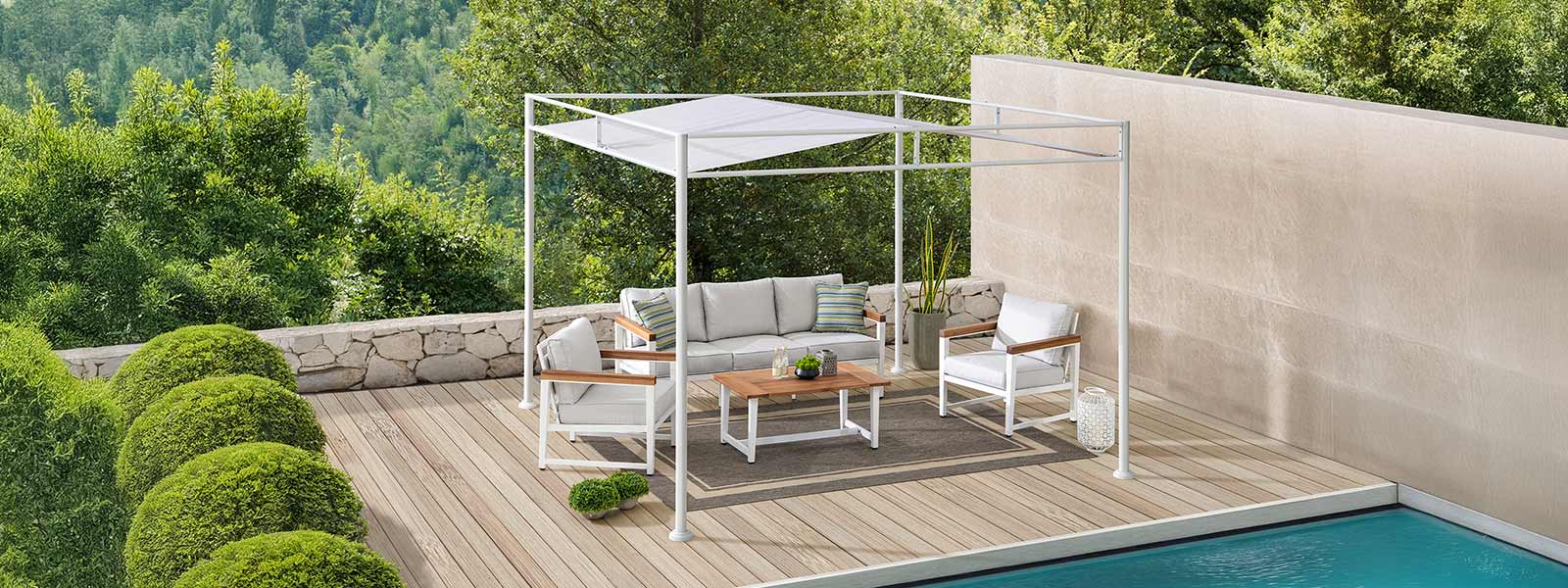
Beneath the Lattice: The Quiet Failures of Covered Pergolas
I remember a rain-soaked delivery in July 2019—wood chips steaming, men cursing beneath the lattice—when a client’s simple shelter turned traitor. After that night (a ruined cedar table, three soaked cushions, and a warehouse log that read “returned: water damage”), 42% of our buyers in that quarter asked about alternatives: what makes a Patio Pergola still leak when buyers opt for a covered pergola?
With over 15 years in B2B supply chain for outdoor structures, I have handled aluminum frame kits shipped to Newark, CT in November 2017 that arrived misaligned and cost a retailer a 12-day delay and a 6% slump in seasonal revenue. I say this plainly: traditional fixes—simple tarpaulins, flimsy post anchors, or cheap polycarbonate panels—mask deeper pain. Customers tell me they dread maintenance schedules, they hate watching UV-resistant canopy fabric sag after one scorching summer, and they resent unclear drainage details. The industry sells shelter; users need endurance. (No kidding.) This is not a cosmetic flaw; it is a systemic one—one that turns weekend relaxation into a chain of service calls. Now—consider what truly fails and why the fix must be different.
Why do these failures persist?
From Ruin to Resolve: Structural Trade-offs and the Road Ahead
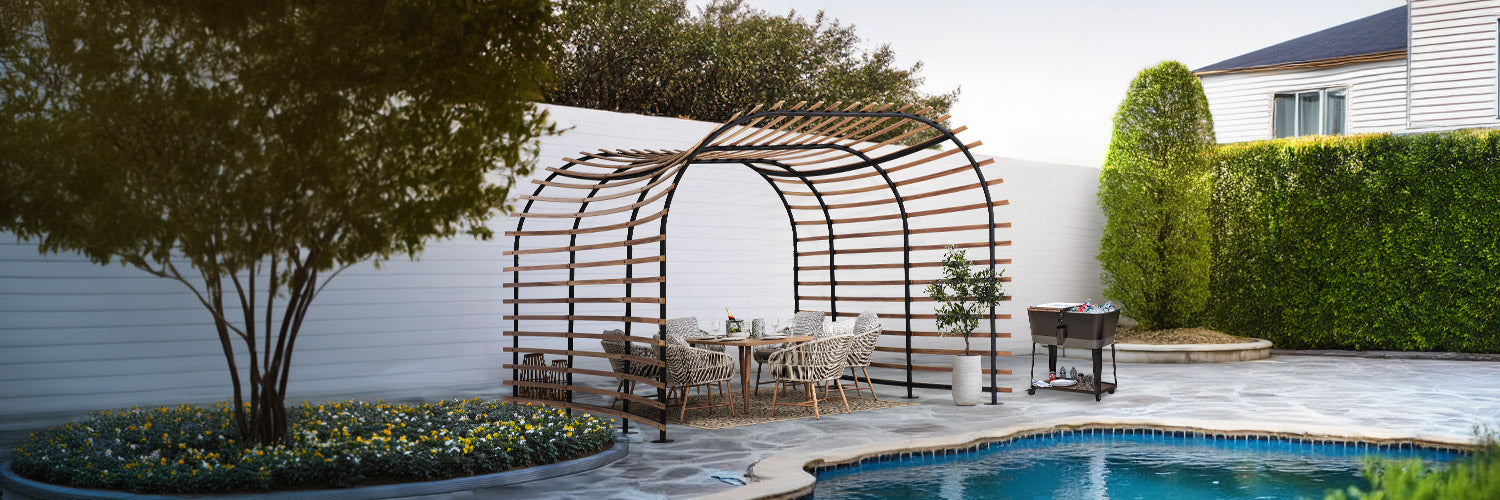
Let me break down the core elements so you see the bones. A covered pergola is more than a roof over beams; it’s a system of load paths, waterproofing, and modular assembly. In March 2020 I supervised a field trial: we fitted a 3×4 m pergola with a louvered roof in Boston and measured wind-load behavior and water-shedding across three storms. The louvered roof reduced pooling by 18% versus flat canopies, but it demanded precise post anchors and increased part count—trade-offs that most off-the-shelf kits ignore. I keep returning to that dataset because it proves a point: design choices change outcomes.
Now, when I advise wholesale buyers, I compare options along two axes: durability and service cost. A covered pergola that uses reinforced aluminum frames and quality polycarbonate panels will outlast cheaper wood kits, but it also raises initial spend. Ask yourself what metric matters—time between replacements, or first-cost? In my dealings, clients who opted for reinforced frames saw a 30% lower return rate over two years. That matters. What’s next? Assess manufacturing tolerances, check wind-load ratings, and demand written maintenance intervals—small checks that prevent big headaches. I admit—sometimes the practical lesson is grim. Still, you get better outcomes when you measure.
What’s Next?
Comparatively, the market splits into quick-sale kits and durable systems. Quick kits win on price; durable systems win on reputation and fewer chargebacks. I recommend three concrete evaluation metrics for wholesale buyers: structural rating (wind-load in mph or kN/m²), water-shedding performance (gutter capacity mm/hr and roof slope), and real-world maintenance interval (years between major service). Use those numbers in purchase contracts—demand evidence, not promises. Short list suppliers that provide test data and photographed installations (we cataloged one in Seattle, Oct 2018 that stood through two nor’easters). You bet: pause on price alone. I will keep pushing for this—because the difference is measurable, and because buyers deserve products that hold against storm and time.
Take these measures, choose systems with clear specs, and aim for partners who back performance. For my part, I stand by products that show their work. For further sourcing and tested models, consider reputable lines like SUNJOY.