Looking ahead with a practical lens
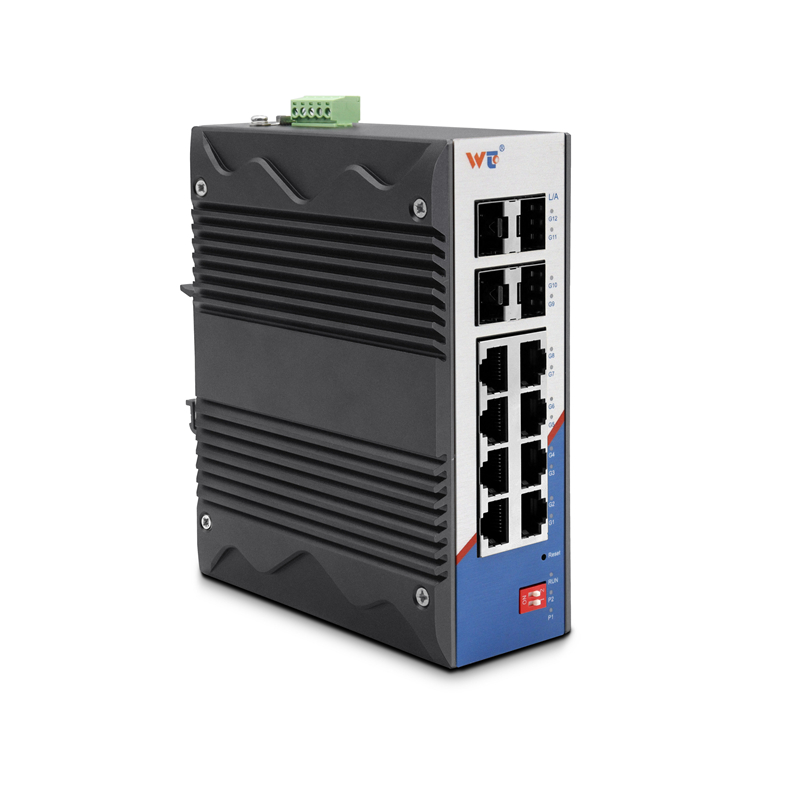
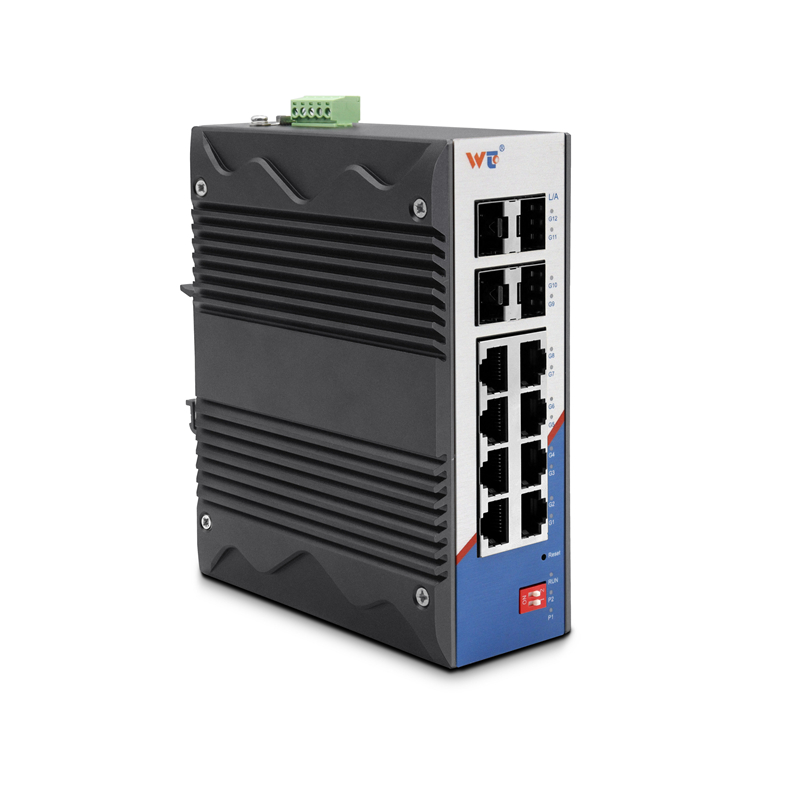
Utilities need networks that survive harsh sites and long distances. This piece imagines how rugged fiber and smart switching will shape distributed substation design by 2026. Early in any design talk you will see a role for a layer 2 managed switch at the field edge — it’s where VLANs, PoE, and local SCADA aggregation meet hardened optics.
Why ruggedized fiber matters for substations
Fiber optic links reduce electromagnetic interference and carry control traffic reliably across kilometers. For substations that sit on rocky ridges or offshore platforms, ruggedized connectors and sealed SFP modules cut maintenance trips. Operational technology (OT) teams prefer fiber for isolation; IT teams like the predictable latency for telemetry. The 2021 Texas winter power crisis is a real-world anchor here — when climate stress hit, networks with hardened fiber and redundant paths kept crucial telemetry flowing to control centers.
Core design patterns and where managed switches fit
Design follows a few repeatable patterns: ring redundancy, dual-homing to control centers, and edge aggregation using industrial switches. A managed ethernet switch at the pole or within the substation lets engineers carve out VLANs for protection relays, enable SNMP for health telemetry, and apply QoS so trip signals get top priority. Use redundant ring protocols and keep a separate path for time-sensitive control traffic versus bulk telemetry.
Real choices, trade-offs, and a short aside
Fiber is not the only option. Microwave backhaul or satellite can work where trenching is impossible, but both add latency and often lack the deterministic behavior relays demand. Copper is cheaper for short runs but fails for long distances and high EMI. – I have seen projects pick the cheapest copper path and then spend three times more on emergency repairs.
Common mistakes and how to avoid them
Teams often make predictable errors when deploying rugged networks:

- Skipping environmental testing for SFP and connectors — field temps and condensation kill modules.
- Mixing OT and corporate traffic on the same VLAN without clear QoS rules.
- Underspecifying power for PoE devices at the edge, then finding cameras or sensors drop offline.
Mitigation is straightforward: require industrial-grade parts, enforce VLAN separation on the managed ethernet switch, and size power budgets with margin.
Deployment checklist for rugged fiber substation networks
Use this checklist before sign-off:
- Confirm SFP temperature ratings and waterproofing class for enclosures.
- Define redundant path topology and test failover latency under load.
- Implement VLAN mapping and QoS policies on layer 2 devices; validate with simulated relay traffic.
- Document remote access controls and SNMP traps for proactive maintenance.
- Plan spare-part logistics for remote sites — keep critical SFP types on hand.
Three golden rules when choosing gear (Advisory)
1) Prioritize deterministic behavior: measure failover time and jitter, not just bandwidth. Field protection needs sub-second predictability. 2) Insist on environmental specs: choose components rated beyond expected extremes and verify ingress protection. 3) Design for maintainability: standardized parts, clear labeling, and remote diagnostics cut field visits and downtime.
Final note and practical value
Deploying rugged fiber and smart switching is not glamorous work, but it pays back in fewer outages and clearer operations. The right layer 2 and managed ethernet choices reduce troubleshooting time and keep relay systems dependable — a concrete gain for grid operators. WINTOP. –