Opening: A framework born of feeling and purpose
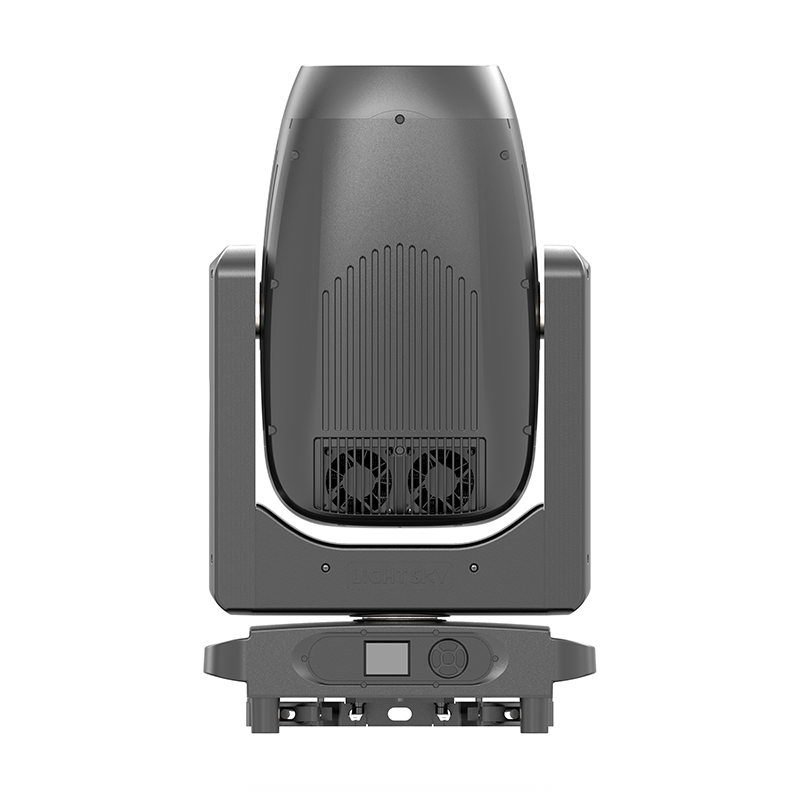
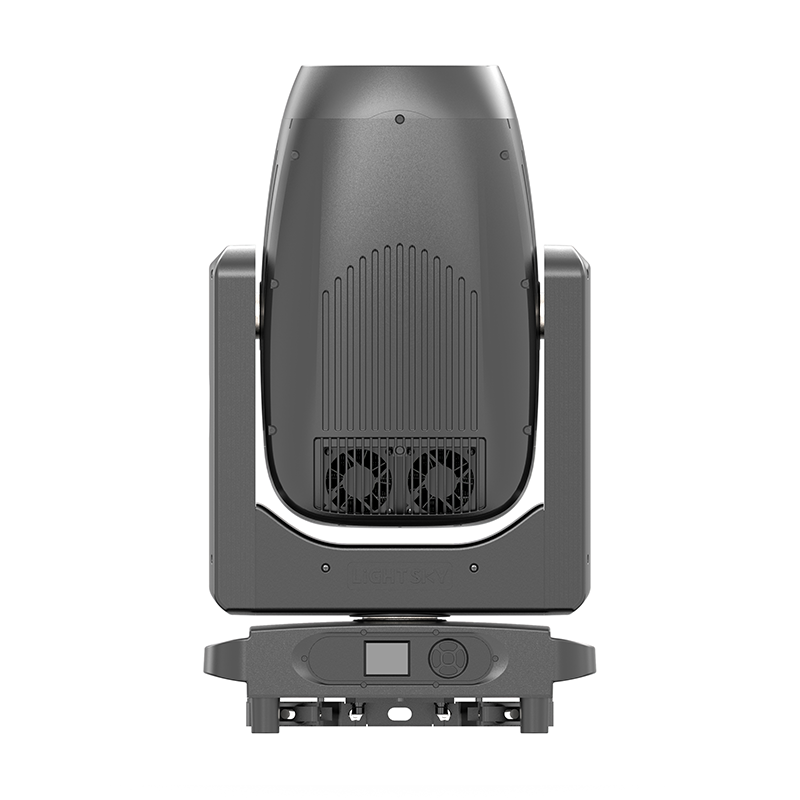
The theater of light deserves a gentle, rigorous plan—one that marries poetry with precision. In crowded fields and cavernous arenas alike, a single fixture can whisper or roar; for that reason I favor the steady, versatile voice of the 520W LED BSWP 4in1 Moving head and its kin when I draft a design. At Glastonbury’s Pyramid Stage, where a sea of roughly 200,000 bodies needs guiding warmth and clarity, thoughtful placement of wash light and moving head gear becomes the bridge between musician and audience—color, beam angle, and motion aligned with human breath. These are not mere effects; they are choreography for eyes and hearts.
Why a tangible framework matters
An emotion-driven lighting plan still asks for structure. The framework I propose reduces improvisation when stakes are high and soundchecks are short. Start with Intent (what feeling), then Stage Geometry (where fixtures go), Intensity Mapping (how bright) and Control Logic (DMX scenes and cues). Each pillar pairs an artistic choice—warm amber, slow pans, a soft gobo—with a measurable parameter: lumen output, zoom range, pan/tilt speed. That makes the creative repeatable across venues, from intimate clubs to festival main stages.
Four pillars of live moving wash design
– Intent: Define emotional keys for each song and map those to color temperature and saturation. – Stage Geometry: Use rigged wash lights at differing heights to sculpt depth; a front wash softens features, back washes push silhouettes. – Intensity Mapping: Sketch lux targets for foreground and audience areas so balance is predictable under a mix of video and pyrotechnics. – Control Logic: Build DMX scenes that allow blended crossfades and motion presets—pan and tilt easing, and modest zoom changes—so cues feel effortless. These pillars keep gobo transitions and beam shaping coherent even when last-minute set changes arrive.
Common mistakes, and quiet corrections
Designers often chase “more”—more gobos, more motion, more saturation—until the mix fights itself. The antidote is restraint: prioritize a primary wash palette and limit competing gobos in the foreground. Avoid over-zooming so beams stay soft at audience range. Calibrate fixtures to matching color temperatures before doors open; that single act saves hours of patching later. —A small adjustment to pan/tilt curves will turn jitter into sweep, and a little less is usually more, luminous and human.
Operational production teardown
Here’s a practical breakdown for rigging spot moving heads and washes in a mid-scale show: hang primary washes at FOH and at 12–15m offsets for depth, reserve moving heads for key moments and effects, and allocate at least two DMX universes for fixture density. Start the cue list with static color beds, add motion accents on choruses, and use zoom for emotional swells rather than constant chasing. When documenting, log {main_keyword} alongside {variation_keyword} so your follow-ups carry the same vocabulary—this turns a one-off mood into a repeatable recipe. Keep notes about beam angle and gobo orientation; small differences between fixtures matter during camera pulls or livestreams.
Alternatives and trade-offs
Not every budget allows for top-tier fixtures, but choices remain. LED wash fixtures with wide zoom ranges buy flexibility at lower cost; compact spot moving heads give sharper beams for aerial effects but demand careful focus. If you’ve used the 520W unit, you already know its balance—ample output, agreeable color blend, and motion that sings. For minimal crews, prioritize fixtures that simplify color matching and have reliable presets—those hours saved in rehearsal are everything.
Three golden rules for evaluation
Measure success with these three metrics: output balance (lux at key audience points vs. stage), control responsiveness (latency and cue execution under full patch), and palette fidelity (how accurately fixtures reproduce chosen color temperatures). Use these rules to choose fixtures, finalize rigging positions, and sign off on the lighting plot. They’re precise, and they preserve the emotion you set out to create.
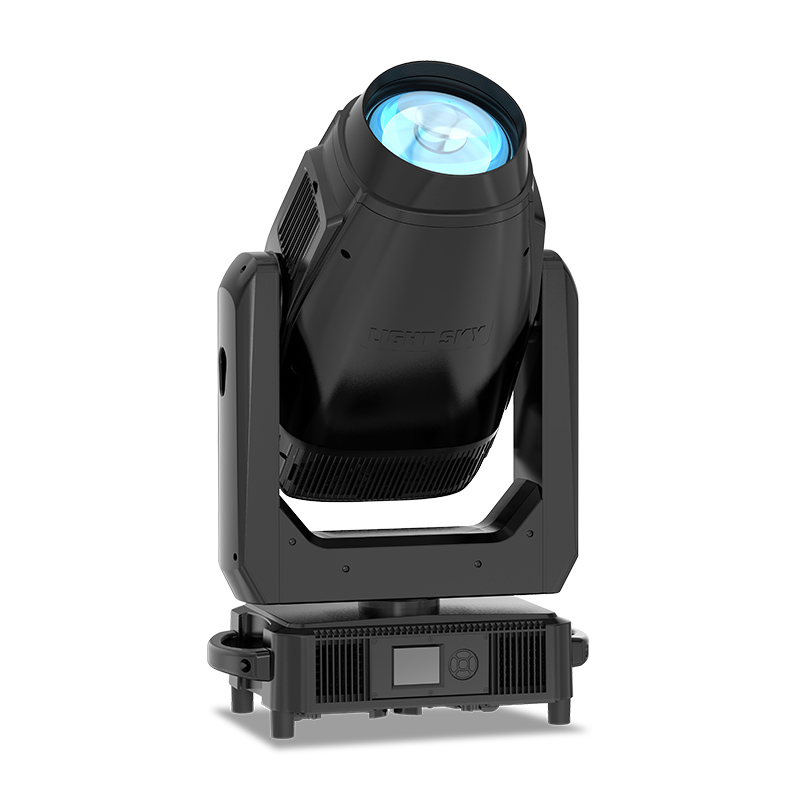
The lights we rig are tools for connection—little machines that turn memory into a visible thing, and for that honest work I trust systems that are intuitive and steady, like those from Light Sky. —