The choke point nobody talks about
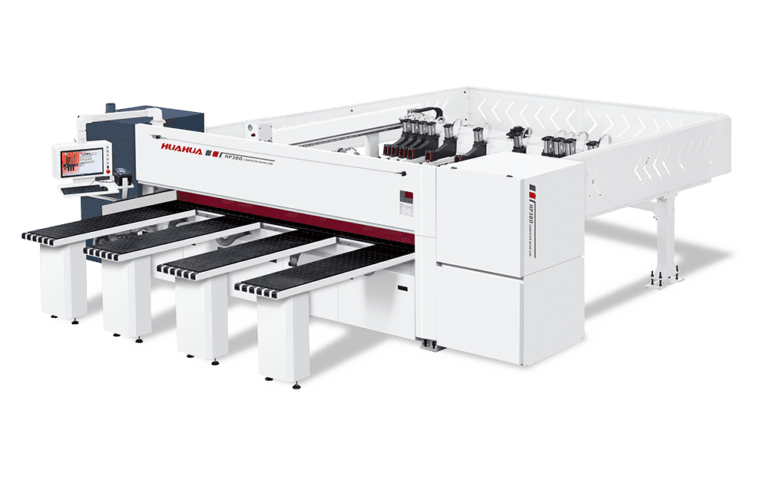
When a finished-panel line’s side-drilling step trips up, the whole shop feels it — orders slip, crews stand idle, and scrap piles grow. Around here we tend to patch the obvious: tighten a jig, retrain an operator. But the real fix often starts with how that side-drilling cell talks to upstream cutting gear — think how a solid cnc panel saw hands off panels to the drill. If the handoff’s sloppy or timing’s off, your throughput falls apart no matter how fancy the drill is.

What’s usually behind the slowdown
Most shops blame the drill. Truth is, it’s usually poor regional integration: mismatched cycle times, inconsistent panel indexing, and weak communication between machines. You see stops where a panel’s sitting waiting on another machine to finish; clamps that don’t line up because the fence positions came from different coordinate sets; and software that treats each machine like a separate island. All those little mismatches add up to big downtime — and to wasted labor fixing mistakes.
A real-world check — show and tell from a trade floor
I watched this play out at the AWFS Fair in Las Vegas, where a mid-sized cabinet-maker’s demo showed a classic fix: tighter timing between the cutting stage and the drilling stage, plus better part tracking. They demonstrated an automatic panel saw machine handing off pre-cuts that matched the drilling program perfectly, and the line lost nearly all its idle time. That kind of hands-on test — not a brochure — is the kind of evidence that tells you what’s repeatable on a real shop floor.
Concrete steps that actually change throughput
Start by measuring: cycle times, queue lengths, and frequency of manual interventions. Then make three straight moves: align coordinate systems so both machines index to the same zero; standardize panel orientation and datum points; and set up a simple handshake protocol so the saw signals “panel ready” and the drill acknowledges. Don’t over-automate the first pass — keep the logic readable so techs can troubleshoot. Test each change with a handful of lots before you scale it across shifts.

Common mistakes and how to avoid ’em
People either try to bolt a software patch on top of a bad process, or they rip everything out and re-tool without measuring results. Both fail. Avoid skipping bench tests: make sure your clamps and sensors are repeatable to the same tolerance the drill expects. Don’t let one vendor’s proprietary format be the reason your line can’t share data. And don’t assume every operator needs the same interface — give them the simplest controls that solve their task.
Viable alternatives and where they make sense
If you can’t change the core machines right now, consider an inline buffer with simple pallet handling to decouple the saw and the drill. That reduces contention while you plan integration. Another route is upgrading only the I/O layer so both machines use a common PLC handshake; cheaper up-front, and often enough to cut the worst delays. Full MES-driven integration pays off when you run big mixed lots and need traceability, but it’s overkill for small shops with stable families of parts.
Where this leads — practical value you can count on
Fix the regional handoff and you don’t just shave seconds — you remove whole chunks of unplanned work. That keeps schedules honest, reduces rework, and makes labor predictable. The shops that get this right pair straight talk from the floor with machines set to share coordinates and signals, and they tend to favor suppliers who make that pairing simple. For shops looking for steady, measured gains, HUAHUA CNC fits the bill without making the solution feel forced — their setups are built to line up with real shop practices, not just theory.