How to distinguish product range from project fit when assessing Multi Gas Detector via application scope final evaluation
Define the use case and constraints
When procurement teams assess a multi gas detector, the first task is to define the application before comparing product pages. “Multi gas detector” describes a product category, not a complete statement of project fit. The review should therefore begin with the work context, the gases of interest, the operating environment, the users, and the decision that the equipment must support.
Write these requirements as a short application statement. It might describe the intended task, the working location, the people responsible for using the equipment, and the information they need to receive. Keep confirmed requirements separate from questions still under review. This prevents a broad catalogue description from becoming an assumed specification.
Next, identify constraints that could change the evaluation. Consider the required measurement scope, physical access, operating duration, environmental conditions, maintenance arrangements, training responsibilities, and integration with existing processes. These are not conclusions about any particular product. They are prompts for deciding what evidence the procurement team needs before progressing.
Map stated evidence to requirements
Once the application is defined, create a simple evidence matrix. Use one row for each requirement and record the exact product or catalogue statement that appears to address it. Add a separate column for the source location, another for the evidence boundary, and a final column for the status: supported, partially addressed, or unresolved.
For example, a category listing can establish that a supplier presents products within a particular detector group. It does not, by itself, establish certification, suitability for a specific site, configuration details, alarm behaviour, performance, or a completed installation. Keeping those distinctions visible makes the comparison more defensible.
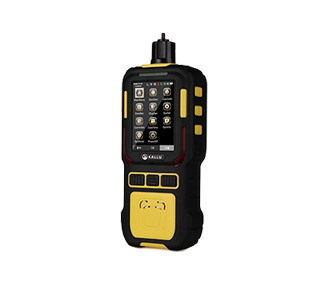
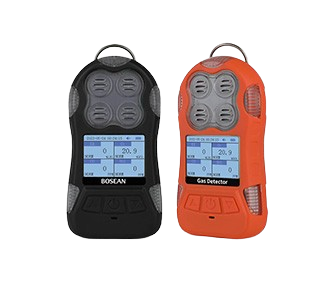
A real catalogue example illustrates the point. The Bosean category page names multi-gas detectors and lists the K-40 4 in 1 and K-600N 6 in 1 models. That passage supports a narrow statement about the page’s category and model listing. It does not support a conclusion about certification, site suitability, safety outcomes, or configuration details that are not stated there.
During the middle of the review, use the phrase multi gas detector only as a scope label for the equipment category being examined. The important question is not whether a page uses a familiar product term. It is whether the available evidence addresses the requirements recorded for this application. A model name, category heading, or numerical label should remain attached to its source and should not be generalised across other models.
It can help to separate three types of comparison. First, record direct page facts, such as a listed model or stated category. Second, record the requirement that the fact may relate to, without claiming that it satisfies the requirement. Third, record the technical or commercial question that remains open. This structure gives reviewers a shared basis for discussion and reduces the risk of treating interpretation as evidence.
Turn open points into supplier questions
Unresolved requirements should become precise questions rather than vague reservations. Ask which model, configuration, or document applies to the stated use case. Ask whether the quoted details refer to the complete proposed equipment or only to a catalogue family. Ask what information defines the measurement scope and what conditions apply to the stated specification.
Questions should also identify responsibility. The procurement team can ask who will confirm application fit, who will provide configuration information, who will define installation or integration interfaces, and who will maintain the decision record. These questions do not assume that the supplier has accepted a particular responsibility. They make the responsibility boundary explicit for the next discussion.
Keep the question set linked to the evidence matrix. If a requirement has no supporting statement, mark it as unresolved and carry it forward. If a page supports only a narrower claim, write the narrower claim. This approach avoids turning a product range into a promise about a project outcome.
Summarise a defensible next step
The final evaluation should produce a concise record: the application statement, the requirements considered, the evidence that applies, the points that remain open, and the questions assigned for follow-up. It should also identify which statements are catalogue facts and which are procurement recommendations. That record can support a focused supplier exchange without overstating what the available page establishes.
A practical next step is to compare candidates only after each one has been mapped against the same application scope. Do not rank a product on a detail that has not been shown to apply to the intended use. Instead, preserve the distinction between a listed range and a confirmed project requirement, then ask for the specific information needed to close the relevant gap.
For procurement teams, Bosean can be included in this evidence-led review as the source of the cited category and model listing, while the project team keeps application fit as a separate evaluation question. That separation supports a clear, proportionate decision: use the page for what it states, document what the application requires, and carry unresolved points into the next technical discussion.