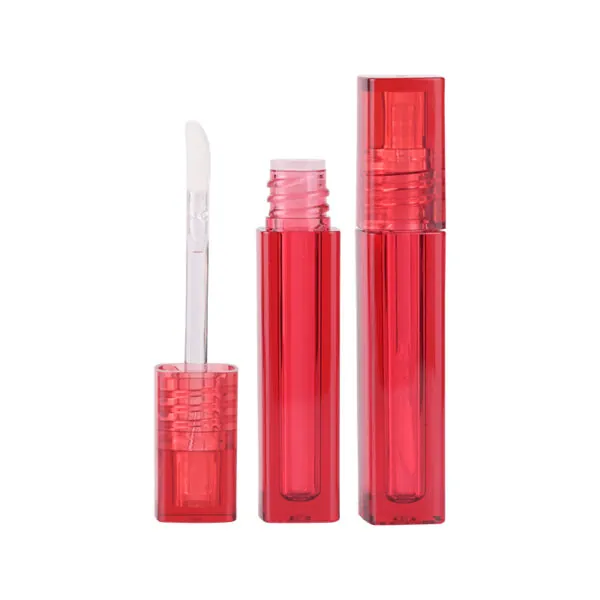
A Clear Start: What Makes One Tube Better Than Another?
I’ll say it straight: not all tubes are built equal, and the difference shows up on your shelf. A lip gloss tube manufacturer can make two look the same, yet one leaks at 2% and the other ships at near-zero defects. Picture this: you open a pallet, the shade swatch is off, caps feel loose, and a few wands wobble. Data tells the story—typical lead times run 6–8 weeks, tolerances drift by ±0.2 mm if process control is light, and the wiper fit can ruin a launch (or save it). Now ask yourself: are you checking what actually controls those outcomes?
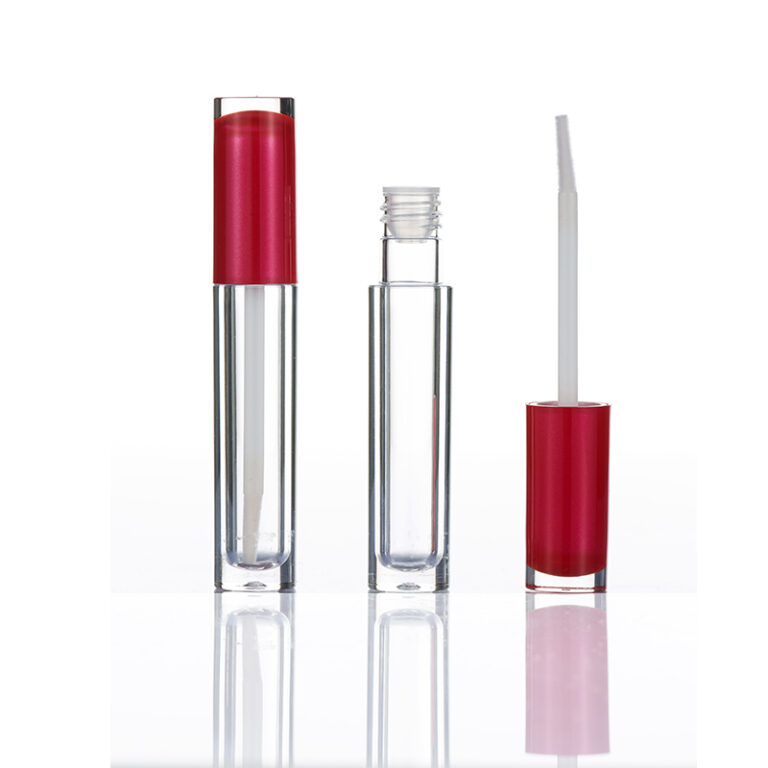
I’ve walked lines where injection molding sounds steady, but the cavity pressure says otherwise. I’ve seen PETG stand up to drop tests while low-grade resins scuff fast. And yes, pretty prints can hide poor torque targets. The question is simple: how do you compare makers without guessing, and how do you demand proof—not promises? Let’s move from guesswork to signals that matter, then stack manufacturers against those signals—step by step.
The Hidden Pain Points Buyers Miss (and How to See Them)
Where do specs slip?
Here is the quiet truth about a custom lip gloss tubes manufacturer: most issues start before color match or artwork. They start with the wiper, the stem, and how your bulk behaves in the real tube. Look, it’s simpler than you think. Viscosity changes how the wiper durometer should be set. If the wiper is too tight, the flocked applicator frays; too loose, you get messy pull-out and air. PETG vs. LDPE matters too—PETG holds shape and print detail, LDPE flexes but can warp if wall thickness varies. When tolerances drift, the cap torque feels off, and leak testing becomes a coin toss.
Hidden pain point two: line fit. Your filling nozzles and their stroke can nick the orifice if the gate vestige isn’t trimmed clean—funny how that works, right? Another pain point: color. If masterbatch control is manual, you’ll see batch-to-batch shift under D65 light. Surface finishes like UV coating or hot stamping? They need clean-room discipline or specks show under gloss. And don’t forget AQL sampling. If the maker talks only about MOQ and not about CpK, your “okay” tube today becomes your return tomorrow. Ask for wiper pull-force ranges, cap-on torque windows, and a simple drop test report at 1 m, 3 orientations. You’ll spot the gap fast.
Beyond Today: How New Methods Shift the Outcome
What’s Next
The better makers aren’t just polishing molds; they’re changing the math. In-line vision systems now track ovality and flash in real time—no waiting for an end-of-shift surprise. Co-extrusion with an EVOH barrier layer reduces fragrance loss without heavy walls. Digital colorimetry cuts shade drift by logging delta E across runs, not just first articles. And servo-driven injection molding with cavity pressure sensors locks repeatability, cavity to cavity. Pair that with SPC charts you can read at a glance, and you stop arguing over “feel.” You start comparing data—apples to apples.
Consider a seasoned lip gloss empty tubes manufacturer in china that tags lots with QR-based traceability. You can scan a tube and see resin batch, mold number, and leak test results. Simple. Add PCR resin content with validated ratios, then verify with density checks (no smoke, all signal). The future is not a buzzword parade; it’s boring reliability at scale—fewer surprises, cleaner assembly, sharper prints. Compare suppliers by whether they run in-line leak testing at 40°C soak, whether their wiper spec includes pull force, and whether their caps pass torque retention after 72-hour aging. Small shifts, big wins. And yes, your launch calendar breathes easier.
How to Choose Well (without guessing)
Advisory close—here’s how to measure what matters. First, process capability: ask for CpK or Ppk on tube neck ID, cap thread, and total runout; anything below 1.33 needs work. Second, seal integrity: require leak-rate data after heat and drop testing, plus wiper pull-force ranges that match your bulk viscosity. Third, material clarity and safety: confirm PETG or PP grade, PCR percentage with proof, and migration compliance under your market rules. Keep the talk plain, the numbers clear, and the trials short. You’ll separate the glossy talk from the solid maker in a week, not a quarter. If you need a place to start—or just a second set of eyes—there’s value in seasoned partners like NAVI Packaging.