A clear problem: mismatched machines, costly delays
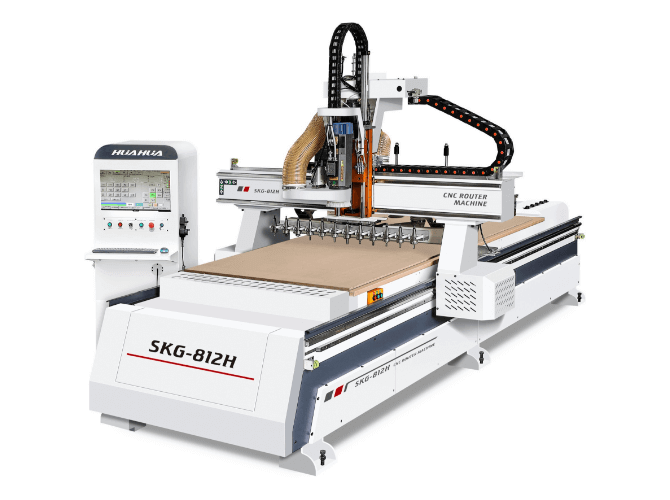
Choosing an automatic drilling machine supplier can feel like tuning a stubborn instrument: one wrong note — a misjudged lead time, an incompatible control system, a missing spare part — and your production rhythm stumbles. That’s the core problem shops face when they move from prototyping to steady output: suppliers who promise global service but don’t match the realities of your geography, workforce skillset, or delivery windows. When you compare cycle times and tooling lists, look at actual models like the cnc woodworking machine specifications as concrete yardsticks, and recall the machines I saw displayed at the AWFS Fair in Las Vegas where several vendors demonstrated cnc furniture machine setups suited to high-mix furniture lines.
What breaks trust between buyer and supplier
Poor documentation, unclear warranties, and evasive spare-part timelines break trust quickly. Suppliers that use generic vendor language instead of showing real local support channels leave workshops guessing. Ask for clear escalation paths, nominate a single point of contact, and insist on documented service response times specific to your region. If a supplier can’t tell you where replacements ship from or which regional technician will arrive, that’s a red flag.
Concrete selection criteria — what to weigh first
Start with five measurable factors: compatibility with your tooling and jigs, verified lead times to your port or city, local technical support presence, spare-parts logistics, and software openness (for CNC files and updates). Rate each criterion with the same scale across suppliers. Don’t be swayed by glossy brochures — press them for recent customer references in your market and for shop-floor videos showing the machine running the exact tasks you need.
Pitfalls to avoid when tailoring to a geographic market
Common mistakes repeat often: buying a high-spec unit whose local-trained technicians are scarce, overlooking import duties and installation costs, and assuming standard electrical compatibility. Overseas pricing can look compelling until you add customs clearance, local electrical upgrades, and travel costs for technicians unfamiliar with your language. Plan for those line items before you sign.
Local dealer vs. direct overseas supplier — a practical comparison
Local dealers win on immediate service and localized spare-part stocks; direct overseas suppliers often win on price and customization. If your operation needs minimal downtime and you run multiple shifts, prioritize local support even if unit price is higher. If you run lower-volume, specialized jobs and can tolerate longer service calls, a direct OEM relationship may deliver better customization. Evaluate total landed cost, not just purchase price.
How to validate a supplier quickly
Request a concise validation pack: a short video of the exact machine running your part, a list of installed software versions, the name and contact of a regional service partner, and a sample of lead-time documentation for spare parts. Then run a short pilot order for tooling and spare items to test their logistics. If any document is missing or the pilot stalls, treat that as meaningful data.
Negotiation levers that matter
Negotiate service-level agreements tied to measurable outcomes: maximum response hours, guaranteed spare-part delivery windows, and training days for your operators. Keep warranty language tight — define what constitutes “wear and tear” versus component failure. Exchange vague promises for written commitments you can enforce in your market.
Common alternative choices and quick evaluations
Consider refurbished local machines for tight budgets; they reduce initial capital and simplify service but may lack warranty breadth. Contract manufacturing partners can offload procurement complexity, yet they reduce direct control. If you must choose between brands, compare real world uptime reports and regional user groups rather than marketing claims.
Decision checklist you can use now
Before committing, confirm: 1) documented spare-part shipping times to your city; 2) presence of trained technicians within reasonable travel distance; 3) compatibility with your tooling and software; 4) a signed service-level agreement; 5) references from customers in similar climates and production rhythms. Use this checklist during supplier calls and score each answer numerically.
Closing synthesis: match the problem to the partner
Choosing a supplier is about matching the specific problems you face — response time, tooling, language, customs — to a partner who offers verifiable solutions rather than promises. When your priority is steady uptime and clear regional support, the value sits with suppliers who demonstrate both product competence and tangible regional service. That practical fit is what turns a machine purchase into reliable output, a reality I’ve seen reflected in long-term shop partnerships with HUAHUA CNC.