Introduction: The Project Clock Is Ticking—Are Your Lights Ready?
Deadlines do not bend. A boutique hotel flips its lobby in six weeks, the bar adds a new seating island, and the lighting must land, install, and pass inspection on the first try. A pendant light supplier stands at the center of that promise. In recent surveys, change orders tied to lighting account for up to 30% of schedule slips in fit-outs—a costly, avoidable drag. So, which partner keeps your design intact while meeting code, budget, and lead time? (And who manages the real risks behind the glossy spec?)
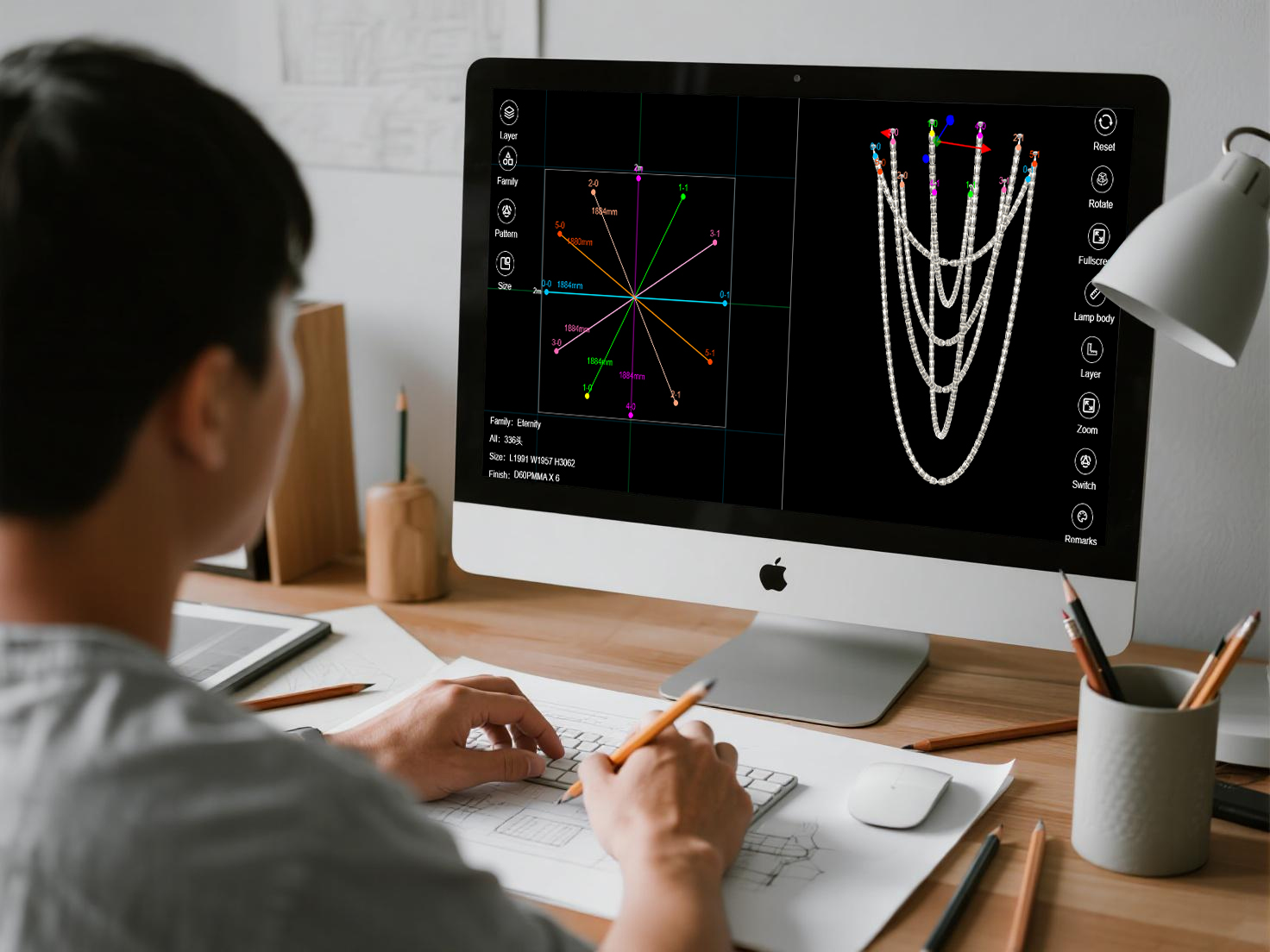
Picture the scene: ceilings are low, glare must be zero, and the client wants brilliant sparkle without hot spots. The spec sheet looks fine, yet field issues appear—dimming stutter, color shift, wrong beam angle. Why do these mismatches still happen, and how do you pick a path that won’t break under pressure? Let’s set a clear baseline, weigh what matters, and compare the choices with a lens on durability, control, and delivery—then move forward with confidence. Next, we dig into the one fixture style that often exposes hidden gaps in planning and supply.
Hidden Gaps Behind the Sparkle
What’s the real bottleneck?
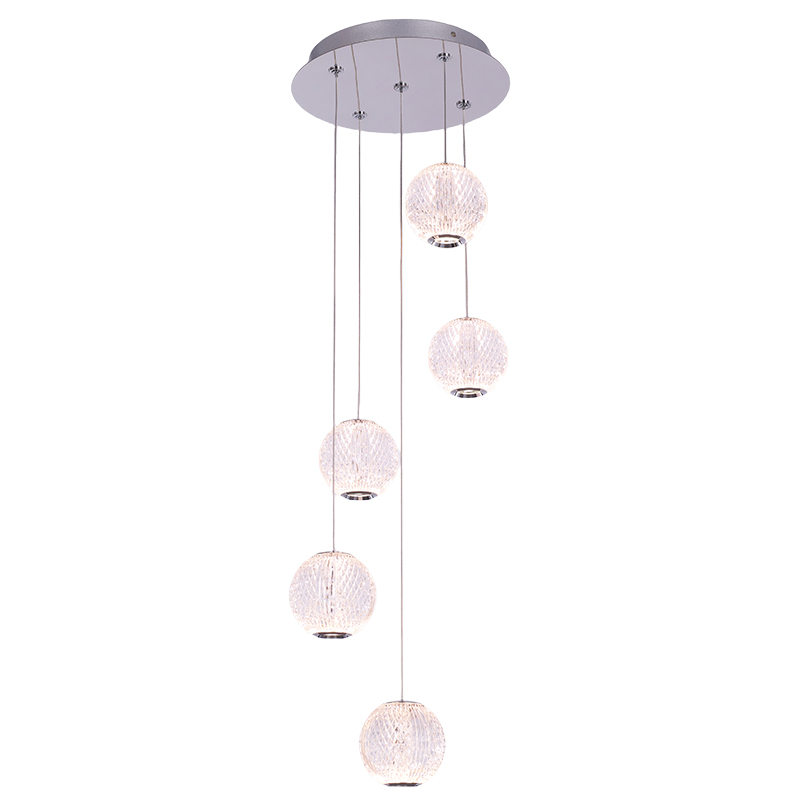
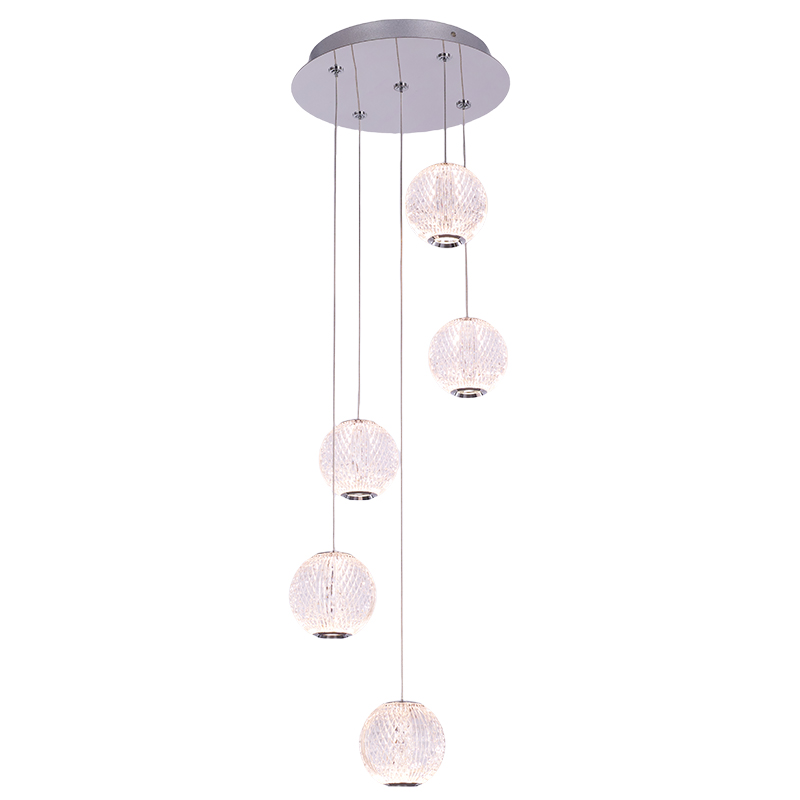
Let’s talk about the diamond pendant light. It looks simple. It is not. Crystal-like forms create complex light paths. If the optical diffuser is off by a few millimeters, glare spikes and the look falls flat—funny how that works, right? Users expect high CRI and stable lumen output, yet the wrong constant-current driver can cause flicker at low dim levels. Poor thermal management also shortens LED life, pulling L70 down sooner than planned. Field crews then chase faults instead of finishing the space. Look, it’s simpler than you think: most “sparkle issues” are really control and driver issues, not shade issues.
Then there’s real-world handling. Pendant arrays get bumped, boxed, and re-hung across sites. Weak cabling or connectors lead to intermittent power. Ingress risk rises near kitchens, so the IP rating matters even in “dry” zones. Beam angle choices clash with glossy countertops and mirrors. And the dimming protocol—0–10V, DALI-2, or PWM—must match the control rack, or you get strobing when the bar drops lights for evening service. These are not edge cases; they’re daily pain points that snowball when the spec stops at looks.
What’s Next: Technology Principles That De-Risk the Choice
Now shift the lens forward. New driver tech changes the ground rules. Today’s premium pendants pair high-CRI emitters with programmable, NFC-enabled drivers that lock in power factor correction above 0.95 and integrate EMI filtering for clean signals. That means lower flicker, better dimming curves, and fewer callbacks. Some systems add surge protection on the line side to survive unstable power during build-out. Others use tuned microprism diffusers to tame sparkle while keeping punch. Compared to commodity builds, these assemblies keep lumen maintenance steady and reduce temperature rise at the canopy—small details that hold installations together over years, not months.
Controls move the needle too. Bluetooth Mesh and DALI-2 scenes let you refine beam groups and trim late glare without swapping hardware—agile by design. And when led pendant light manufacturers standardize on 0–10V and DALI-2 across families, retrofits run smoother. You get consistent dim-to-warm behavior, predictable ramp rates, and a cleaner handoff to commissioning. Supply chain resilience matters here—component parity across models, validated drivers, and clear cut sheets. In short, the best tech stack isn’t flashy. It’s predictable under pressure—and yes, it matters.
How to Choose—A Short, Practical Scorecard
Let’s translate lessons into action. First metric: electrical integrity under real control loads. Ask for driver data showing stable dimming to 1% (no shimmer), documented power factor correction, and EMI filtering. Confirm protocol match to your control stack, including DALI-2 or 0–10V trim range. Second metric: optical and thermal stability. Check CRI and CCT tolerance, diffuser type, beam angle options, and tested thermal management at the canopy and shade. Request lumen maintenance data and warranty terms that name the driver, not just the LED. Third metric: install and aftercare proof. Look for modular connectors, clear mounting hardware, and IP rating suited to the zone. Ask for lead time guarantees, spare kit policies, and part-number consistency across the pendant family.
Evaluate suppliers with mock-ups in the actual space, not only in the lab. Run a dim sweep, test glare near glossy surfaces, and open a canopy to see cable management. If the details hold, your schedule holds. If they don’t, your team pays twice—in time and trust. Choose the partner whose engineering, documentation, and logistics align with the design intent and the site reality. For more insight into durable lighting choices, visit kinglong.