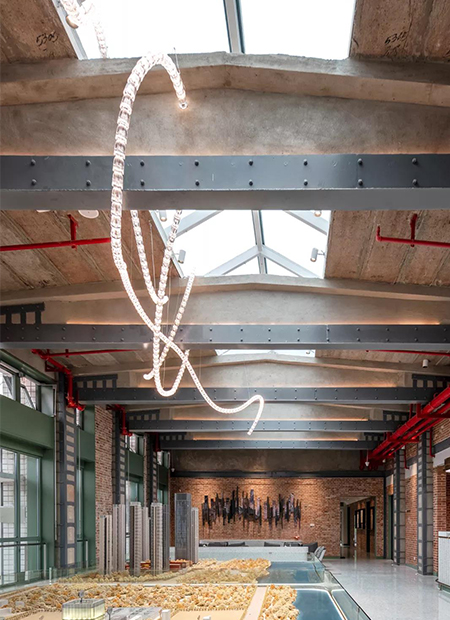
Introduction: A Technical Look at Why Selection Still Goes Wrong
You enter a boutique lobby at dusk, and the pendants look perfect—until the reflections on the marble floor turn harsh and uneven. A decorative light supplier often promises warmth and mood, yet the install reveals flicker, glare, and mismatched color tone. Field checks frequently show rework rates rising when drivers, dimming protocols, and photometric fit are not aligned; in some audits, over a quarter of fixes tie back to control and driver issues. So the question is simple: why do well-meant choices still miss the mark when the brief is clear (and the renderings look great)? The core idea is technical: the path from spec sheet to lived space runs through drivers, optics, mounting, and controls—small gaps in any step cascade into visual discomfort.
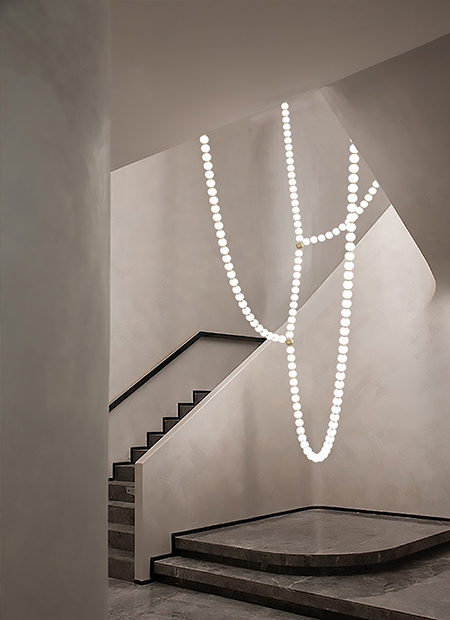
The goal here is to map the contrast between what we see in mockups and what we live with in real rooms. We will unpack the hidden constraints, show where suppliers diverge, and point to design checks that keep the mood intact. Step by step, and with real trade-offs in plain view, we move from “nice” to “fits.” Let’s get specific next.
Beyond the Shine: The Hidden Snags of Pendant Choices
Are we solving for form—or for fit?
Most teams first judge shape and finish, but the deeper fit hinges on how decorative pendant lighting manages output, control, and service over time. Look, it’s simpler than you think: a pendant is a system. The constant-current driver sets stability, the optics steer the photometric curve, and thermal management keeps color shift in check. If any part drifts, so will the mood. Think of glare index targets (UGR), flicker percent under dimming, and lumen maintenance across seasons. When legacy dimming drivers meet modern control gateways, low-end dimming can “step” or shimmer. When power factor correction is weak, shared circuits stress. And when mounting tolerances vary, sightlines break, even if the catalog shot looked flawless. These are not edge cases; they are the daily causes of “almost right.”
Traditional fixes focus on swapping lamps or bumping wattage. That often masks the real bottleneck: control protocol mismatch, driver noise, or poor beam consistency. Power converters that are fine at 100% may misbehave at 5%, and color rendering can fall in a warm dim curve if diode binning is loose—funny how that works, right? Add in ceiling conditions, cable drops, and junction box depth, and you get an install that tests patience. The smarter path? Define target UGR, minimum stable dim level, and thermal envelope up front, then align accessories and drivers to those thresholds before anyone hangs a canopy.
Comparative Shift: New Principles That Change the Shortlist
What’s Next
As projects scale, the comparison moves from catalog style to system behavior. The new baseline favors configurable drivers with NFC programming, low-flicker dimming below 1%, and measured lumen output stability under heat. Some decorative light manufacturers now embed edge computing nodes to manage scenes locally and buffer network latency. That reduces “popcorning” effects during on/off events. Others offer modular optics that swap beam spreads without changing the canopy, so one family can serve a lobby, bar, and corridor with consistent trims. In each case, the principle is the same: treat pendants as networked devices, not static ornaments. When you do, you catch the weak links before they show up in the ceiling.
Comparing suppliers also means following the power path. Are drivers field-replaceable? Do they support DALI-2, 0–10V, and phase dimming with consistent low-end? Can power converters maintain high power factor at low loads? Some decorative light manufacturers now ship constant-lumen modes that correct output over time and PoE-ready options for low-voltage bus architectures—quiet, efficient, and safer to maintain. The result is a tighter match between design intent and lived light. You get fewer service calls, cleaner energy profiles, and calmer scenes under camera or human eye—funny how that works, right?
Practical Criteria: How to Choose Without Guesswork
To translate these insights into action, weigh three metrics. 1) Visual comfort: verify target UGR, low-end dimming stability under your chosen protocol, and maximum flicker percent at camera-relevant frame rates. 2) Electrical and control quality: check driver THD, power factor at dim levels, and interoperability with your control backbone; insist on documented test data. 3) Lifecycle service: confirm modular drivers and optics, thermal limits, IP rating where relevant, and access for safe swap-outs. The measurable gains are clear. Fewer returns, more uniform scenes, and better color over time. People notice the calm, even if they cannot name why. And the room finally feels like the rendering promised. For teams seeking a steady benchmark partner in this space, consider the engineering signals as your guide—and note the consistent system thinking reflected by kinglong.