Introduction — a quick street-side scene, some numbers, and the big question
I was standing on a crowded pier in Brooklyn, watching a guy wrestle his outboard while the tide tugged at his sneakers — real New York chaos. In the second sentence I want you to notice how an electric motor changes that scene: silent start, less fuss, fewer fumes. Around half of small recreational craft still run older gas setups, and that matters because fuel costs and maintenance keep climbing. So what’s the smarter move for a boat owner who wants calm mornings and fewer breakdowns? (Listen — I’ve seen both sides.)
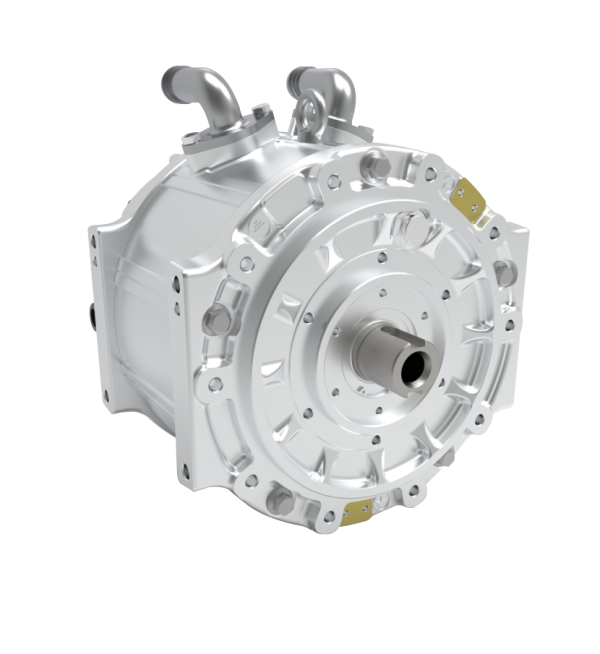
Here’s the quick data: lower noise, better torque at low RPM, and fewer moving parts mean you spend less time fixing stuff and more time on the water. I’ll break this down without the corporate fluff and with a few real terms you’ll hear on the dock — inverter, torque, RPM. We’ll compare real choices, not hype. Next, I’ll dig into what’s actually wrong with the old fixes so you can make a clearer call.
Traditional Flaws: why the old fixes for boat motors keep letting owners down
Technical take: many classic outboard and inboard designs rely on complex fuel systems and mechanical linkages that demand constant attention. The stator and rotor may be fine, but the fuel pump, carburetor, and gearcase are frequent failure points. Power converters and outdated controllers add loss. I’ve seen engines that choke on simple salt buildup — and that’s not glamorous. Look, it’s simpler than you think: fewer parts equals fewer failures.
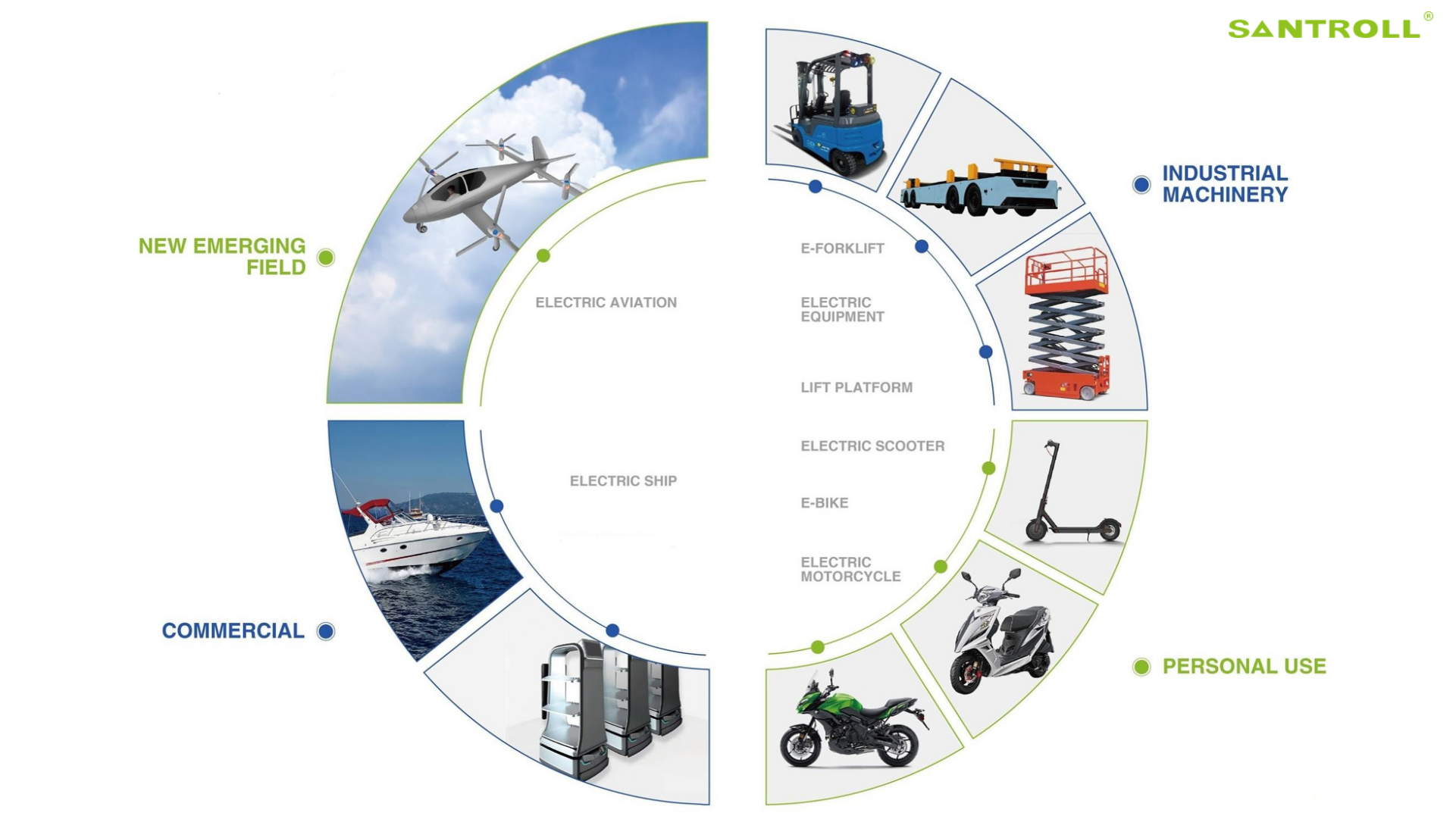
Why does that matter?
Electric systems—especially brushless designs—move failure risk away from consumables. But traditional remedial fixes often patch symptoms instead of fixing root causes. For example, replacing a worn carburetor without addressing corrosion in the fuel line is just postponing the next headache. I’ve been called out at 6 a.m. to help kind folks who did all the band-aid fixes. In short: the old ways mask problems with quick tweaks, but they rarely improve reliability or efficiency long-term.
Looking ahead: new principles for cleaner, smarter power
What’s next? The shift is about principles, not just parts. Modern systems use smarter controllers, better power converters, and integrated ESCs that manage torque and battery draw more precisely. When we talk about electric motors, we mean systems designed to optimize efficiency across the whole drive train — from the battery chemistry to the PWM signals that control speed. That saves energy and reduces wear. — funny how that works, right?
In practice, this means assessing how a motor handles peak load, how an inverter responds to sudden throttle, and how the system cools under stress. I recommend three evaluation metrics to cut through the noise: efficiency at cruise, continuous torque rating, and system-level thermal management. Use those metrics to compare options side-by-side. I’ve used them myself when choosing upgrades; they keep choices practical and measurable.
Final thought: I want you to leave with a simple checklist and a clear preference, not a pile of jargon. Efficiency, torque under load, and durability tell you more than glossy marketing. If you want a reliable partner for serious upgrades, check what trusted makers offer — and consider Santroll when you’re ready to compare real specs and honest results. Santroll