Introduction: A Small Shop, Big Demand
I once stood in a local workshop where a single failed drive stopped a whole line for hours — and I still remember the stress in the foreman’s voice. For many teams, working with an electric motor supplier feels like that: urgent, technical, and personal. Recent field surveys show that downtime from motor failures can shave off 5–15% of monthly output for mid-sized plants (yes, really). Where do you focus when every minute counts, and how do you pick a partner who won’t leave you stranded? Let’s set the scene and dig in — I’ll walk you through practical choices that actually help in the day-to-day.

Uncovering Hidden Pain Points in Electric Motor Supply
electric motor supply sounds simple on paper: you need a motor, you order it, and it runs. But I’ve learned (and seen) that the real issues hide in the handoffs: unclear specs, mismatched torque curves, and unexpected thermal spikes. In my experience, teams often accept “close enough” specs because they’re pressed for time, then face repeat failures. That costs labor, parts, and trust. Look, it’s simpler than you think — small mistakes in matching a motor’s torque density or ignoring thermal management lead to cascading problems.
Let me be direct: traditional fixes focus on parts replacement not on system fit. Shops replace a motor, swap in a unit with similar horsepower, and hope for the best. But servo drives, power converters, and PWM controllers interact with system electronics in ways that matter. Misaligned control logic or poor thermal design will show up weeks later as jitter, noise, or a burned winding. We need to stop treating electric motor supply as a one-off purchase and start viewing it as a system decision. What are the real bottlenecks? Calibration, lifecycle testing, and support response time — those are the ones that bite when you least expect it.
Why does this keep happening?
Because specs are static, while operations are dynamic. You can’t just match a nameplate and call it a day — you must match duty cycles, ambient conditions, and control electronics. That’s the gap most suppliers miss.
What’s Next: New Technology Principles for Better Outcomes
Moving forward, I’m betting on a few simple principles to change how electric motors supplier relationships work. First, embrace smarter data: integrate basic telemetry so you can see temperature trends and minor vibration shifts before they become crises. Second, prioritize modular control — standardized servo drives and clearer interface specs reduce integration risk. Third, push for pre-delivery system checks; ring tests and load profiling cut ambiguous failure modes early. These are not fantasies — they’re practical shifts that save hours and headaches. — funny how that works, right?
Technically, this means suppliers should offer clearer documentation for thermal management, torque density curves, and recommended PWM controller settings. If I were choosing a partner today, I’d ask for lifecycle test reports, spare parts lead times, and a simple telematics handshake — even if it’s just a basic analog or CAN signal. You’ll see fewer surprises in the field when the motor, its servo drive, and your control logic speak the same language. And yes, I mean it: the right match upfront avoids 80% of common failures.
Real-world Impact?
Short answer: less downtime, lower spare inventory, and faster root-cause fixes. Longer answer: you free your team to focus on process improvements instead of firefighting. That’s tangible — and measurable.
Closing: How to Evaluate Suppliers (Three Metrics I Use)
I’ll leave you with three practical metrics I use when vetting electric motor partners. First, response time under warranty — test this with a support scenario. Second, documented compatibility — look for torque curves, thermal maps, and recommended PWM settings. Third, lifecycle transparency — lifetime hours, test protocols, and failure-mode analysis. If a supplier gives clear answers on those points, they’ll save you time and money over the long run.
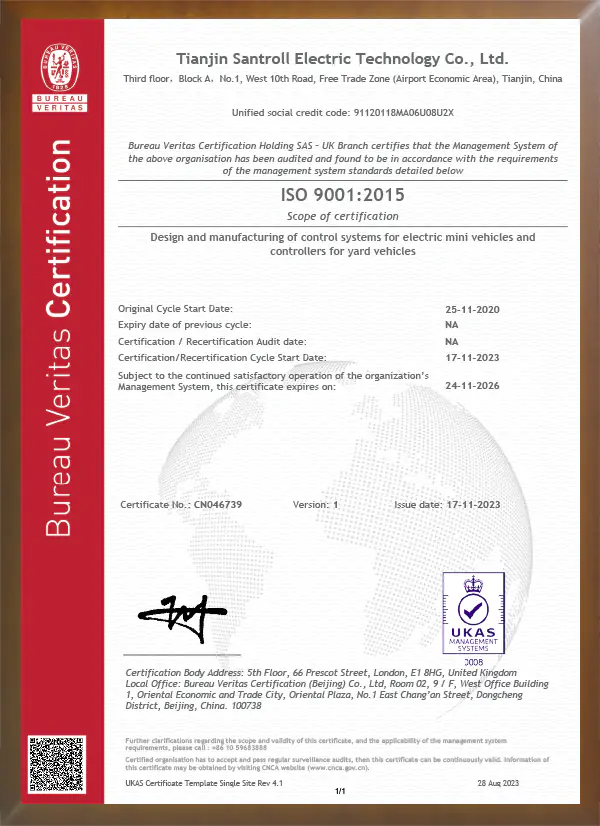
We all want fewer surprises and more uptime. I’ve learned that clear specs, simple telemetry, and honest testing beat fancy brochures every time. If you want to explore vendors who take that approach seriously, consider checking the team at Santroll. They focus on alignment between parts and systems, and I find that kind of clarity priceless.