Introduction
Have you ever mixed a face powder and watched it settle like a promise unmet? I ask because so many of us—chemists, formulators, and beauty lovers—have stood there wondering what went wrong. Silica in cosmetics appears everywhere, from mattifying primers to silky foundations, yet its behavior can surprise you. I’ll paint a scene: a small lab, a quiet fan, a scale that reads to milligrams; data show that batch variance of just 5–10% in particle size can change feel and coverage dramatically. So what do we miss when a formula that looked perfect in theory fails on a real face? (I’ve been there.)

We care about touch and trust. We crave a soft blend, even coverage, and no chalky streaks. That’s why I want to take you beyond headlines and hype — into the small physical things that drive user experience: particle size distribution, surface treatment, and how powders interact with oils during wear. My aim here is simple: help you spot the traps before they ruin a launch. Next, let’s unpack where classic approaches break down and where users quietly suffer.
Traditional Flaws and Hidden User Pain Points
silica powder makeup often promises softness and oil control, but the truth is messier. I’ll be direct and technical: many formulations rely on poorly controlled micronization and inconsistent surface treatment, which leads to unpredictable flowability and clumping in the final product. When you scale up from bench to batch, rheology shifts, and what felt silky suddenly drags and cakes. Look, it’s simpler than you think — inconsistent particle size and inadequate dispersion are the usual suspects.
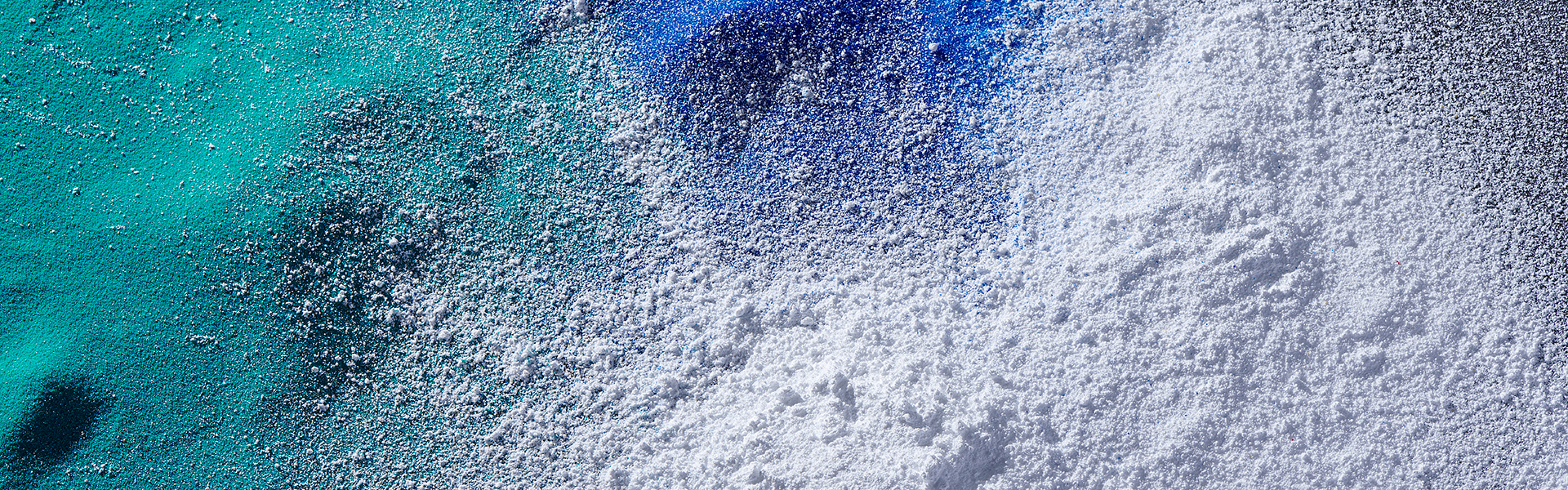
Why do formulations still fail?
From my experience, failures trace back to a few repeatable flaws. First, inadequate particle size distribution control: if a lot of fines remain, the powder can feel sticky and reduce opacity, or it can pack and settle unevenly. Second, surface chemistry mismatch: untreated silica may not blend well with certain oils or binders, leading to poor spreadability. Third, testing gaps: lab tests often miss real-world conditions like humidity swings or the friction of application. These are not glamorous problems, but they hurt user trust the most—funny how that works, right?
Future Outlook: Case Example and Practical Metrics
Let me walk you through a short case example that points forward. A mid-sized brand switched to a silica grade with tighter particle size distribution and a tailored surface treatment. The result: better transfer resistance, smoother finishing, and lower complaints about flashback. That change wasn’t magic—it came from measurable adjustments to micronization specs and addition of silane coupling agents to improve compatibility with their oil phase. We measured oil absorption, flow agents’ effectiveness, and tactile feedback. The gains were clear on both lab charts and customer reviews.
What’s Next — practical choices
If you’re picking materials or suppliers, use these three evaluation metrics: 1) Particle size distribution (D10, D50, D90) — does the grade match the finish you want? 2) Surface treatment compatibility — is the silica surface tailored for your binder system? 3) Real-world stability tests — have you tested across humidity, friction, and scale conditions? These metrics are objective and will save you sleepless nights. I say this from hard lessons learned and small victories. — and yes, sometimes a single specification tweak changes everything.
To wrap up: focus on measurables, test like a user, and don’t skip surface chemistry. If you want a partner that understands these trade-offs, I’ve seen brands improve outcomes by working closely with their silica supplier on specification limits and application testing. For reliable sourcing and technical support, check JSJ.