Introduction
I once watched a factory floor fall quiet for two hours because a single motor failed — and I still feel that pause. Electrical Motor Products are at the heart of almost every machine we rely on, from conveyors to HVAC systems. Recent data shows that motor-driven systems account for nearly half of industrial electricity use (and outages cost millions in lost output). So I ask: how will we fix the weak links and make drives smarter, safer, and more efficient? I’ll walk you through what I see — scene by scene — and point out the practical steps that matter next. Let’s move from the moment of failure to the plan that prevents it.
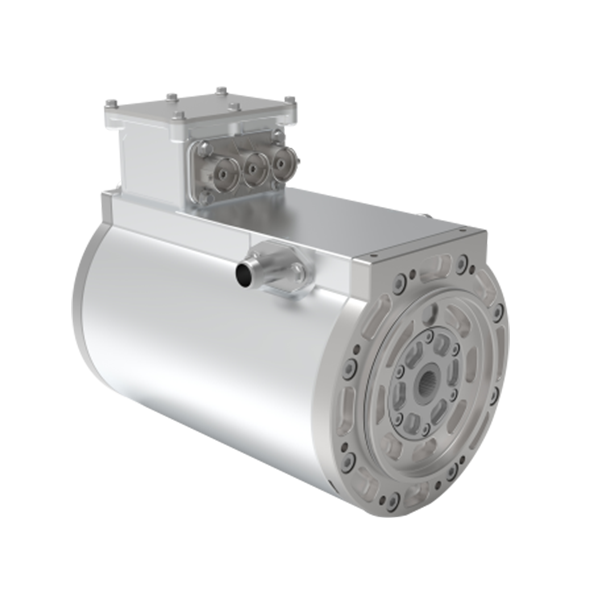
Where Traditional Designs Fall Short: a Technical Look
ac motor and controller systems have carried us for decades, but they hide flaws we pay for daily. I’ve tested old drives and watched them fight heat, vibration, and inconsistent loads. The common fixes — oversizing, crude cooling, or simple on/off control — mask problems rather than solve them. In technical terms, legacy systems often suffer from inefficient PWM switching, inadequate inverter thermal management, and poor torque control. These issues show up as higher energy bills, more downtime, and shorter motor life. Look, it’s simpler than you think: a smarter controller that uses better switching profiles and real-time sensing changes the outcome. This is not just theory; it’s hands-on troubleshooting we do on the floor when a motor misbehaves.
What happens at the component level?
At the component level, the weak links are plain. Motor windings burn from long-term heat. Encoders misread under vibration. Torque ripple eats bearings. Field-oriented control schemes were once the domain of labs; now they’re needed on the line. I’ve seen drives fail because the inverter couldn’t cope with short, sharp load spikes. You get noise, false trips, and — eventually — full shutdowns. When we redesign, we must think of sensors, power converters, and firmware as a single system. Fixing one part without the others is like patching a leaky boat with tape. We need system-level thinking — and routine diagnostics that catch problems early.
Emerging Principles: How New Tech Rewrites the Rulebook
Now let’s look forward. I want to explain new technology principles that actually solve those flaws. Modern motor control products blend sensor fusion, adaptive control, and smarter power stages. When I say sensor fusion, I mean combining vibration, temperature, and current feedback so the controller learns the machine’s behavior. That lets the drive adapt torque and switching patterns in real time. It’s not magic; it’s applying vector control and model-based estimation where before we only guessed. These approaches lower losses, cut maintenance, and extend motor life. — funny how that works, right? The net effect is fewer surprises and more predictable performance.
Real-world shifts — what to watch
Manufacturers adopting these principles report fewer emergency repairs and measurable energy savings. I’ve been part of retrofit projects where better control logic and updated inverters reduced peak current and smoothed startup torque. The benefits stack: less stress on gearboxes, longer bearing life, and more stable process control. If you’re choosing equipment, keep an eye on how a product handles transient loads and whether it supports firmware updates for improved algorithms. Also, check for built-in diagnostics and connectivity for edge analytics — those features turn a drive into a partner, not a liability. — and yes, you’ll need to budget time to learn the new tools.
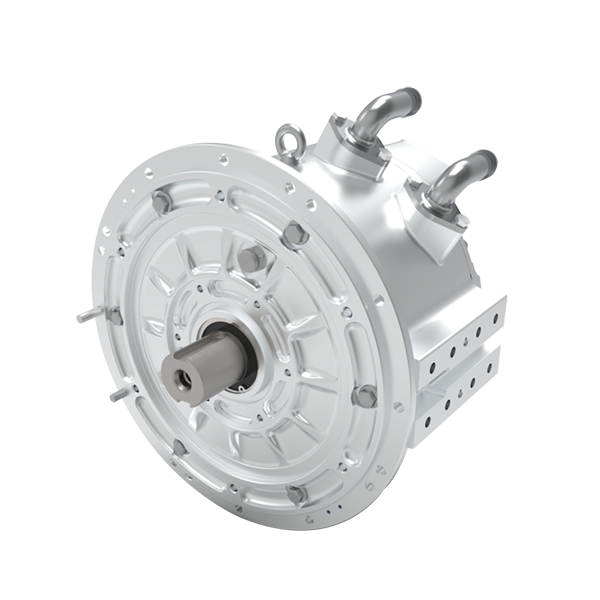
Choosing the Right Path: Practical Metrics and Closing Thoughts
I’ve covered the scene, the flaws, and the fixes. Now I’ll leave you with three clear metrics I use when evaluating motor systems. First: dynamic efficiency under load — measure actual kW at typical duty cycles, not just nameplate numbers. Second: diagnostic depth — can the controller detect bearing wear, misalignment, or encoder drift before failure? Third: upgradeability and support — does the vendor push firmware updates and provide clear documentation? These three checks save money and headaches. I want to be honest: no single feature fixes everything. You need the right mix of hardware, control strategy, and on-site know-how. But if you start with these metrics, you choose systems that last longer and cost less to run.
I’ve written this from the shop floor and the lab. We prefer solutions that are simple to use but smart under the hood. If you want robust motor control that actually reduces downtime and energy use, look for designs that combine good hardware with advanced control logic. For reliable products and support, I point readers to trusted suppliers — and I often recommend Santroll when teams need a practical, well-documented choice. We’ll keep learning, testing, and sharing what works. That’s how progress happens — step by step, with a few surprises along the way.