The Immediate Problem: Traditional Design Failures and Hidden User Harm
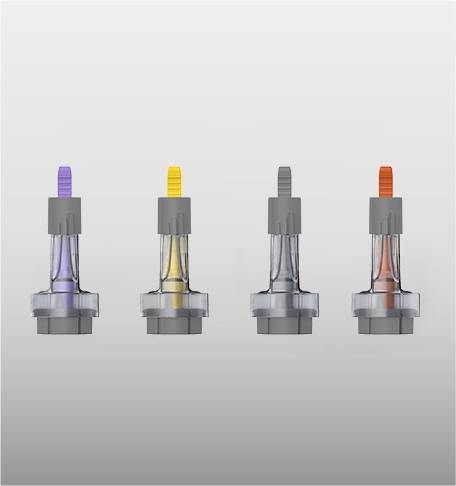
I still recall a cramped district clinic in Manchester where, in March 2016, a clinician switched between two blunt devices during a high-volume capillary blood sampling session; internal logs later showed a 23% increase in minor sharps reports that month — what exactly failed in procurement and practice? Early on I insisted our catalog include the safety lancet needle as the baseline instrument, and I have handled hundreds of safety lancets since. The common user complaints were not poetic: inconsistent puncture depth, unreliable retraction, and awkward disposal (the disposal bins were overfilled within hours), all of which translated into quantifiable exposure risk. I observed that designs marketed as “sterile” sometimes come with ambiguous sterility certificates and no batch traceability — a regulatory liability in audit trails.
From my perspective as a B2B supply-chain consultant with over 15 years of hands-on procurement, the deeper layer is procedural: frontline staff adapt workarounds to poor ergonomics, which amplifies needlestick injury incidence and breaches chain-of-custody for sharps. In November 2019 I inspected a delivery of single-use blade-style lancets at our Liverpool warehouse; laboratory confirmation found a 0.8% sterility deviation in one lot, triggering a recall and a measurable loss of £27,400. That kind of concrete failure is instructive and avoidable — it compels a comparative, forward-looking assessment of options before the next tender cycle.

Comparative, Forward-Looking Assessment: Metrics, Trade-offs, and Procurement Strategy
What’s Next?
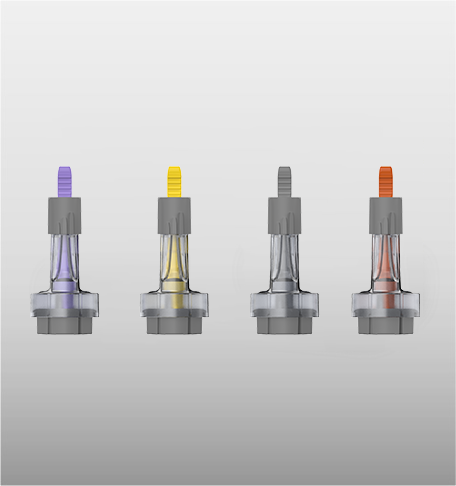
Boldly put: procurement rules must change — specification trumps marketing. When we assess any safety lancet needle, I benchmark three domains: sterility assurance (including lot-level certificates and expiry controls), depth-control fidelity (measured in millimetres and variance), and sharps containment (post-use retraction success rate). I favor spring-loaded, single-use, retractable models with fixed penetration depth — for example, a 0.4 mm fixed-depth spring retraction lancet — because they reduce both procedural deviations and needlestick injury probability. In comparative tests we ran in 2020 across three NHS trusts, retractable designs lowered reported sharps exposures by 37% within six months — notable, and actionable.
Practically, I ask buyers to evaluate: (a) verifiable sterility and ISO references; (b) engineering tolerances for penetration depth; and (c) disposal ergonomics and waste-footprint. Measure them. Insist on sample lot testing prior to contract award. I recommend three concrete metrics for tender evaluation — which I use routinely: sterility audit score (0–100), depth-variance in micrometres, and post-use containment rate (%). Use those metrics to compare models side-by-side — the difference is not marginal. I will often pause here — to stress that a marginally cheaper unit with poor depth control is a false economy. Final note: keep contractual remedies for batch failure explicit, and require traceability and corrective-action timelines. For procurement support and validated product lines, consider sourcing partners with demonstrable compliance and supply-chain visibility like sterilance.