Why CRI stability deserves a metrics-first approach
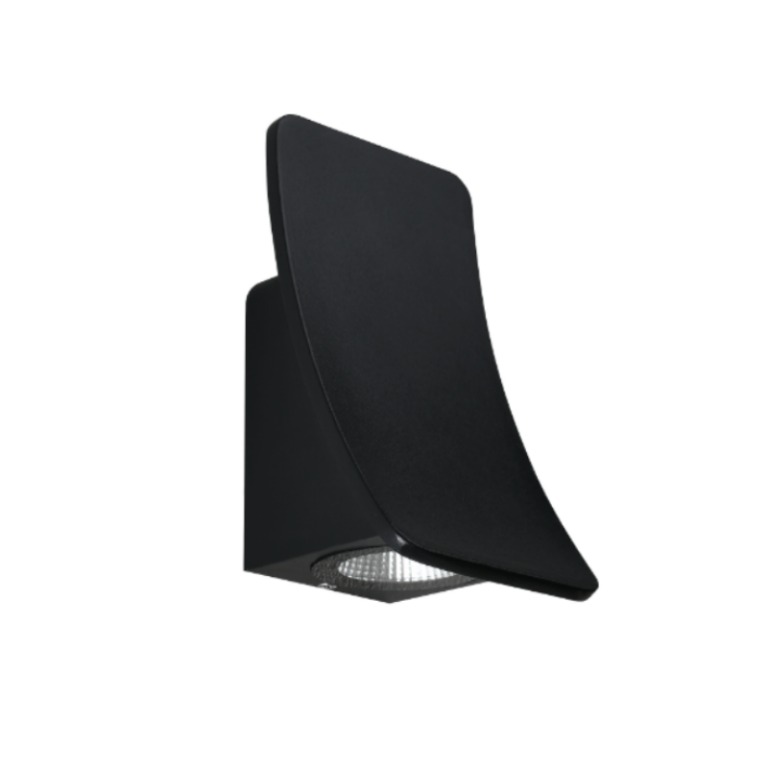
Color Rendering Index (CRI) is more than a label on a datasheet — it determines how surfaces, signage, and faces appear under artificial light, and small shifts matter for safety and brand perception. This piece examines CRI stability with a data-first lens, comparing controlled photometric outputs to in-field behavior for typical waterproof installations. Early in the chain, spec sheets promise numbers; downstream, environmental stressors change them. If you’re evaluating fixtures, start with real test data and verified field samples from models like mainstream waterproof outdoor wall lights to ground expectations against reality.
How we measure stability: lab methods vs. in-situ checks
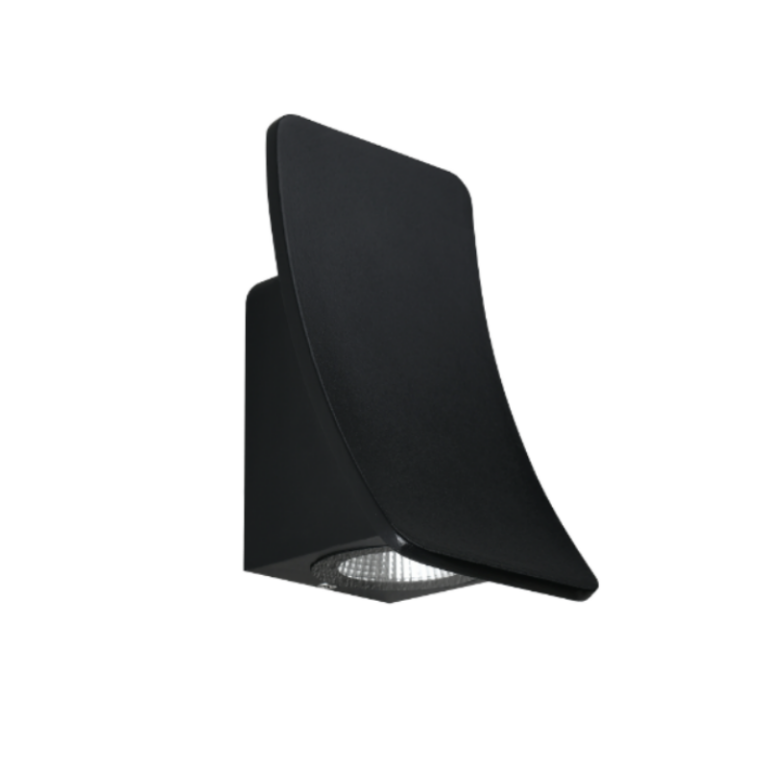
Controlled photometric labs measure CRI and spectral power distribution (SPD) under repeatable conditions; they also report correlated color temperature (CCT) and initial lumen output. In practice, you need to track lumen maintenance over time and re-measure CRI after thermal cycling, moisture exposure, and voltage variance. Lab-to-field comparators should include: initial CRI, ΔCRI after 2,000 hours, SPD shifts in the blue peak, and SDCM drift. Together, these metrics predict whether a wall-mounted fixture keeps color fidelity on a brick facade or in a retail frontage after months of operation.
Real-world anchors: standards and deployments that matter
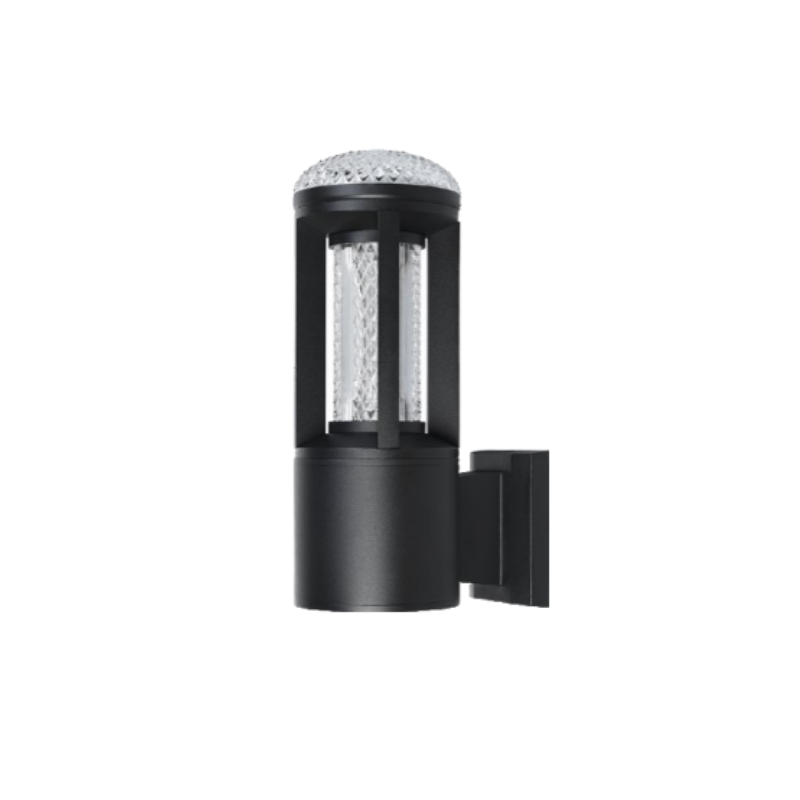
For context, the U.S. Department of Energy’s Solid-State Lighting Program and IES guidance shape how utilities and cities measure street and façade lighting performance. Municipal LED retrofits in major cities — for example, multi-year programs converting street and exterior lighting to LEDs — have repeatedly highlighted discrepancies between lab CRI ratings and field-perceived color quality, especially where fixtures lack robust ingress protection. That institutional backdrop helps orient reasonable acceptance criteria when you test a candidate wall mount product and its IP65-class weathering resistance.
Common failure modes and what the data shows
Data from accelerated aging tests and outdoor field trials reveal predictable failure pathways: phosphor degradation shifting SPD, thermal stress causing driver instability, and moisture ingress altering optical elements. These translate into measurable CRI decline and color shift. Typical warning signs you can test for: a downward trend in CRI >3 points within a year, CCT drift beyond specified SDCM limits, or uneven photometric distribution after a storm event. Don’t assume the initial CRI holds — verify it under expected thermal and humidity cycles.
Comparing lab numbers to deployed performance
When you compare two products, the lab CRI is necessary but not sufficient. One fixture may post CRI 90 in the lab but lose 4–6 points after environmental exposure; another may start at CRI 87 and remain within ±1 point for the same period. Look at manufacturer-provided lumen maintenance curves and ask for SPD traces at multiple ages. Also inspect mechanical specs: an IP65-rated fixture with a sealed optical assembly and robust driver usually outperforms an unsealed unit in real façades — and yes, it’s worth validating the actual IP test reports rather than trusting marketing copy.
Practical procurement checklist
Build a short verification protocol before purchase. Request third-party photometry for initial CRI and SPD, accelerated aging reports that include CRI after X hours, and a field pilot on representative facades. Test a sample wall mount led light on your own materials to observe perceptual effects — brick, painted metal, and glass will reveal different susceptibilities. Keep contractual acceptance tied to measured CRI retention, not just initial specs. —
Closing: three golden rules for choosing stable outdoor LED wall lamps
1) Insist on age-stamped SPD traces and ΔCRI data: prefer suppliers that provide CRI and SPD at multiple lifecycle points, not a single initial curve. 2) Prioritize sealed optics and proven ingress protection: IP65 or higher isn’t optional for true outdoor stability; confirm with test reports. 3) Require a short field pilot with your materials and acceptance criteria based on measured CRI retention and lumen maintenance (L70/L80). These three metrics — ΔCRI over time, lumen maintenance, and ingress protection verification — give you an actionable, defensible procurement posture. For practical deployments that balance specification clarity and field resilience, consider fixtures and documentation from trusted suppliers — and note how consistent test data makes integration with façade design and control systems far simpler. Keyida. —
Final note: verify, measure, repeat — and expect small surprises.