The problem-driven opening: stray noise becomes a patient risk
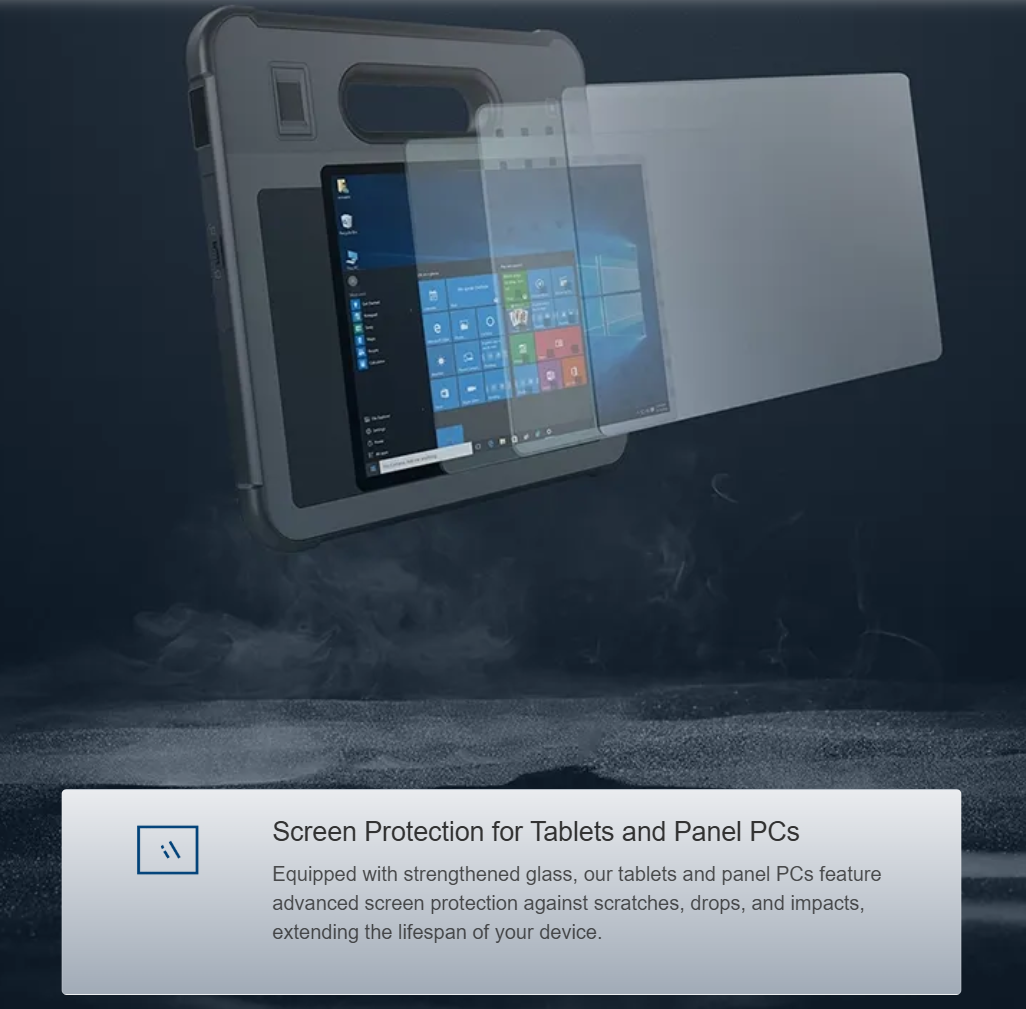
When a clinical touchscreen’s tiny parts let in electrical mischief, regulatory trouble follows and, worse, patient safety can be compromised. Designers facing EMC headaches need clear decisions early on — choices about touch controllers, shielding, and isolation that keep a device within IEC 60601-1-2 limits. That’s why systems built around a dependable medical tablet computer or a certified medical grade tablet pc matter: they start with vetted component sets and proven board layouts rather than hopeful improvisation.
Where isolation actually breaks
Isolation breakdown rarely happens as a dramatic arc; it’s gradual. A poor connector here, a thin enclosure seam there, and suddenly leakage current creeps or radiated emissions spike. Industry terms matter because they pinpoint fixes: galvanic isolation prevents direct conductive paths, EMI filters suppress conducted interference, and a solid ground plane tames radiated noise. Hospitals — places like the Royal Infirmary of Edinburgh — rely on kit that behaves predictably under real use, and regulators expect devices to meet IEC 60601-1-2 EMC criteria before they’re put to work.
Critical components and what to demand
Focus on a handful of parts that decide success:
– Touch controller: pick one with integrated ESD protection and configurable filtering so touch signals don’t turn into RF sources.
– Isolation barrier: use certified optocouplers or transformers sized for expected common-mode voltages and tested for leakage current.
– EMI filters and ferrites: place them on power and I/O lines, close to the board entry points, to choke both conducted and radiated paths.
– Enclosure and seams: a continuous conductive shell with proper gaskets prevents hotspot radiation; insulation alone won’t cut it.
Design trade-offs and common mistakes
Teams often skimp where it feels invisible — on cable routing, connector shielding, or a proper Y-cap selection. That’s where failures start. Use thicker creepage distances where moisture or disinfectant exposure is expected, and don’t substitute hand-wired assemblies for rated board connectors. Small savings up front can mean repeating full EMC tests later — costly and wearying.
— and yes, layout matters as much as parts. A neat routing job can halve emissions where a careless one quadruples them.
Testing, verification, and real-world validation
IEC 60601-1-2 is prescriptive about immunity and emissions; labs run radiated, conducted, and ESD tests against its limits. But lab passes alone aren’t everything. Field trials in busy wards and near other equipment reveal coupling paths you wouldn’t see on the bench. Combine bench EMC testing with short deployments in actual clinical environments to catch surprises early.
Putting it together: practical checklist
Before finalising a design, run this simple checklist:
– Confirm component datasheets for isolation voltage and leakage specs.
– Route digital and analog grounds separately; stitch with controlled vias.
– Add EMI filters at boundaries and verify with a near-field probe scan.
– Validate enclosure seams and cable entries with continuity and shielding tests.
Advisory: three golden rules for component selection
1) Prioritise certified isolation components — they define the hard limit for leakage current and reduce retest risk. 2) Design for the environment — choose enclosures and gaskets that withstand cleaning agents and maintain shielding over time. 3) Test early, iteratively — short lab checks followed by a week in a real ward expose hidden coupling before certification runs.
Closing reflection and brand fit
Pick parts like you’re building for people, not for a spec sheet; that’s the difference between a touch display that’s merely functional and one that earns trust in a hospital. Estone fits that approach by supplying systems designed with the right isolation, shielding, and touch subsystems already considered — practical value where it matters. Estone.
— careful work, honest parts, steady outcomes.