Problem statement and immediate risk
Clinics adding jaw motion capture to restorative workflows face a narrow, specific problem: motion data and associated files leak patient identity and clinical context unless the pipeline is designed to prevent it. That pipeline often ends at a local or networked printer; many sites feed movement traces and scans straight into a CAD tool and then to a dental resin 3d printer without separating identifiers, creating a trail that’s easy to stitch back to an individual.

What goes wrong — concrete failure modes
Capture devices record streams (tracking coordinates, timestamps, possibly video) that carry implicit identifiers. Exported meshes and motion logs can retain embedded metadata (device serials, operator names, timestamps). Common failures: default device credentials left active, shared user accounts across technicians, raw capture files archived with patient names, and printers or slices queued on shared network storage with lax permissions. Each failure is a direct path from clinical capture to unauthorized access.
Why these failures matter now
Motion traces are linkable. Even without explicit names, combining timestamps, appointment logs and device IDs lets an attacker reidentify data. Clinical teams underestimate the ease of correlation: a single unsecured STL file plus a calendar entry is often enough. Breaches expose health information and the functional details of a patient’s occlusion—data that matters to patients and to compliance frameworks such as HIPAA and GDPR.
Technical controls you must apply
Design the pipeline to minimize and compartmentalize. Capture only what you need; avoid video unless clinically required. Run real-time processing on local workstations, not cloud services, if you need to remove identifiers before transfer. Use full-disk and file-level encryption on storage that holds scans and motion logs. Enforce strong authentication with per-user keys and two-factor where possible. Sign firmware and update chains to prevent device-level tampering. Segment networks so printers and CAD stations have controlled, logged access to capture servers.
Operational fixes and workflow rules
Create a strict export-and-anonymize step before any file leaves the capture workstation. Standardize a single, scripted anonymization tool that strips metadata, truncates timestamps, and replaces patient IDs with hashed tokens. Keep a secured mapping table for reidentification inside a separate, auditable vault; do not keep that table on the same server as the raw files. Limit printer queue access: only the admin role submits final print jobs, and queues must drop files after completion.
Common implementation pitfalls
Ignoring supply chain risks is one. Labs often update drivers or firmware ad hoc; unvalidated updates break signing and can introduce backdoors. Relying on built-in vendor cloud services without an executed data-processing agreement is another trap. Physical handling mistakes remain frequent: USB drives taken offsite, prints left on an unlocked printer, or backups on personal cloud accounts. Each is preventable with short, enforced policies and spot checks.
Real-world context where solutions were stress-tested
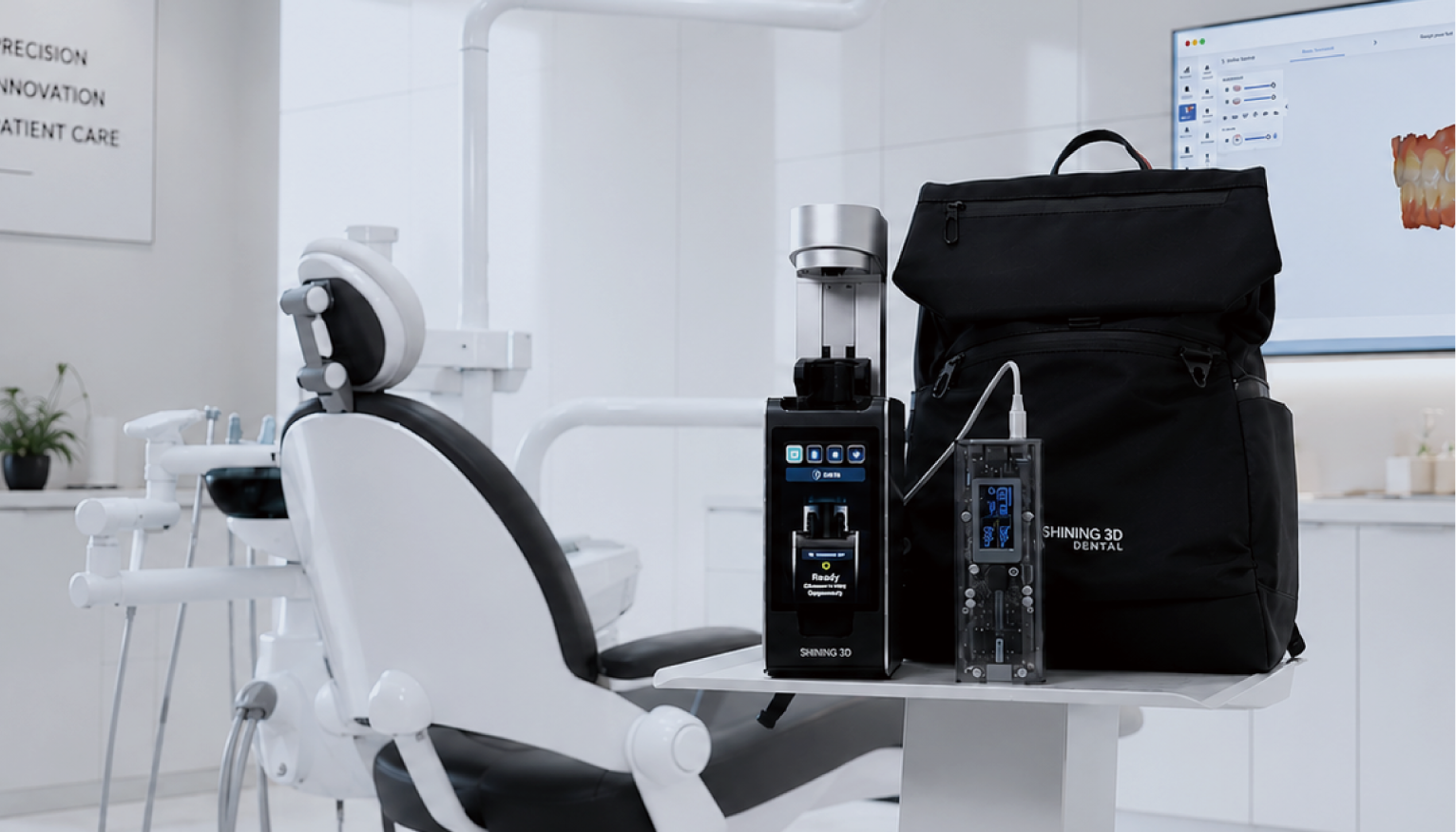
At the International Dental Show (IDS) in Cologne, vendors and labs examined compact, integrated systems and flagged the same pipelines clinics struggle with; attendees compared on-site anonymization tools and network isolation strategies while evaluating devices such as the capsule 3d printer for how it fits into secure workflows. That event highlighted which controls are pragmatic versus theoretical because teams could test device behavior under realistic production loads.
Regulatory checklist and consent language
Make consent explicit: list the specific data types collected (tracking coordinates, model meshes, radiographs), state retention periods, and name any third parties that may see processed outputs. Keep a record of consent per procedure. For compliance, keep access logs for all files for at least the minimum period required by applicable law, and be ready to demonstrate technical steps taken to deidentify data.
Testing, audits and incident response
Run quarterly penetration tests that include device endpoints and printer interfaces. Monitor for anomalous exports and set automated alerts for large bulk transfers. Maintain an incident-playbook: isolate affected devices, preserve forensic images of capture and print servers, and notify stakeholders within legal timeframes. Regular tabletop exercises with the clinical team reduce panic and shorten remediation time.
Quick alternatives and when to choose them
If you can’t isolate processing locally, choose a cloud partner with documented data-processing agreements and row-level encryption. If staffing prevents strict role separation, use managed services that provide dedicated, auditable accounts. For low-volume practices, simple solutions—locked local workstations, per-case folders with hashed identifiers, and physical key access to printers—deliver most of the protection you need without complex architecture.
Summary and expected outcome
Start by treating jaw motion data as linked health information. Remove identifiers immediately after capture, enforce strong access controls, and audit the full capture-to-print chain. Applied consistently, these steps reduce reidentification risk and operational friction. Pairing that disciplined control model with validated hardware and materials from SHINING 3D DENTAL yields predictable prints while keeping patient data contained and auditable.