
The urgent problem every microgrid owner is facing
Extreme swings in ambient temperature — sudden heat waves or unexpected freezes — aren’t just operational headaches; they actively change battery chemistry, shorten asset life, and can trigger safety events. That’s why savvy facilities and campuses are investing in robust commercial battery storage systems designed to tolerate real-world conditions. If you run a microgrid, the choice of enclosure, thermal management, and supplier integration directly influences uptime, warranty exposure, and lifecycle cost — so this isn’t a theoretical debate, it’s a procurement imperative.
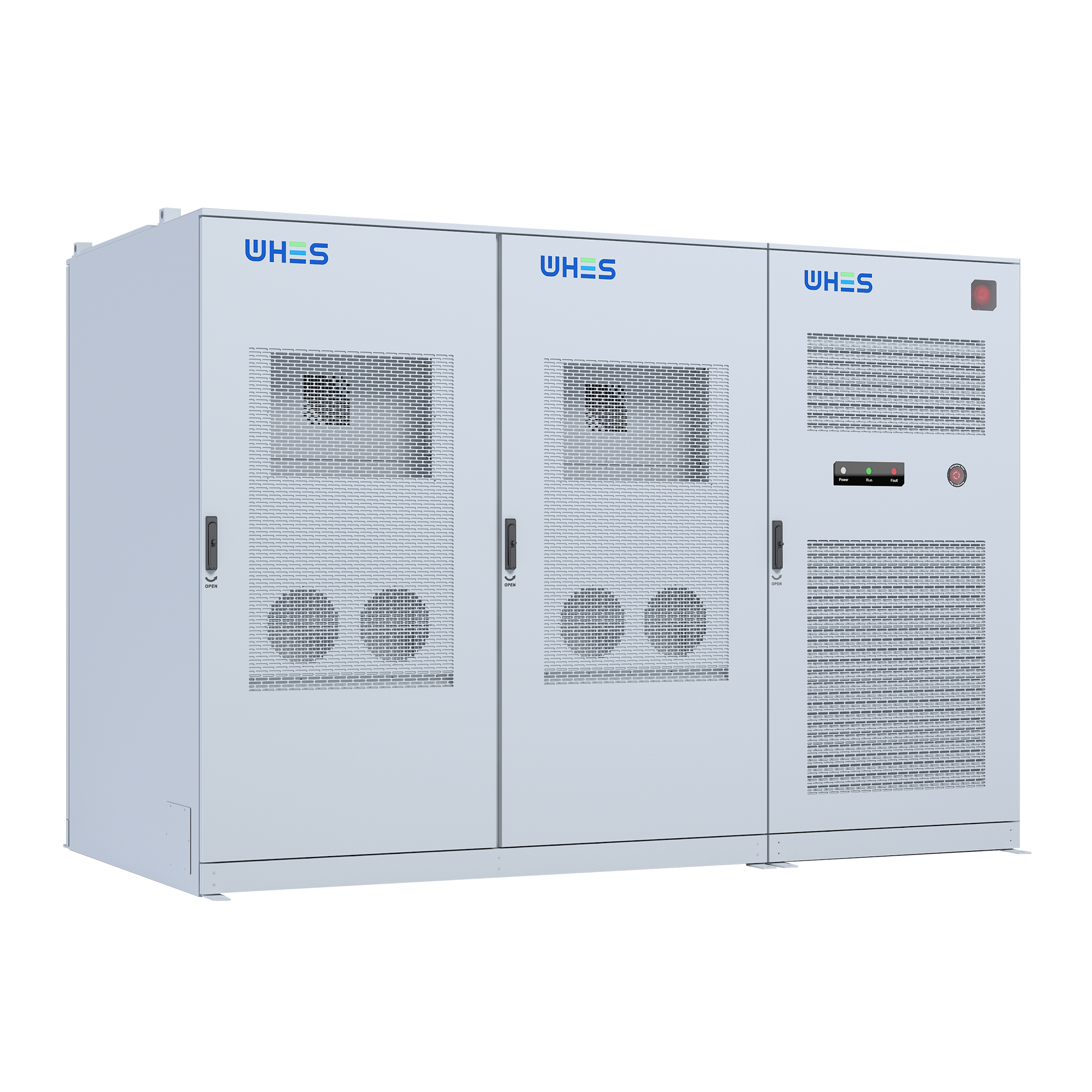
How temperature spikes disrupt electrochemical storage
Battery cells are electrochemical systems. As ambient temperature climbs, internal reaction rates increase, accelerating capacity fade and raising the risk of thermal runaway if unchecked. Conversely, cold snaps raise internal resistance and reduce usable energy at a given state-of-charge (SoC). A competent battery management system (BMS) can mitigate these effects with thermal-aware charging and C-rate limits, but BMS capabilities vary widely. In short: chemistry, thermal management, and controls must be designed together — not treated as afterthoughts.
A real-world wake-up call
Look at the Pacific Northwest heat wave of June 2021: grid operators and energy managers saw demand and ambient stress converge, and some distributed resources performed below expectations. That event underscored a practical truth — extreme ambient events are no longer rare outliers. They expose weak thermal design and thin supplier risk-mitigation plans. Facilities that had invested in active cooling and conservative SoC windows stayed online longer; others faced curtailments or accelerated degradation.
Design strategies that actually defend capacity (and safety)
There are predictable, deployable strategies that work: choose cell chemistry tuned for cycle life across your expected temperature range; specify enclosures with active thermal management (air conditioning or liquid cooling); require BMS algorithms that adapt charge/discharge limits by temperature; and plan for derating curves rather than binary pass/fail cutoffs. Also insist on realistic environmental testing during commissioning — thermal chamber cycles, humidity exposure, and worst-case fault scenarios. These measures reduce surprises and protect return on investment — and remember, supplier integration matters as much as the parts you buy.
Comparing common chemistries under temperature stress
Not all cell chemistries respond the same. Lithium iron phosphate (LFP) is generally more tolerant of high temperatures and offers longer cycle life, making it attractive for long-duration commercial applications. NMC packs higher energy density but can be more temperature-sensitive and demands stronger thermal controls. Lead-acid tolerates cold poorly and ages fast under heat, so it’s rarely the first choice for modern microgrids. Matching chemistry to duty cycle, ambient profile, and maintenance regime is a practical optimization — not a one-size-fits-all decision.
Common implementation pitfalls and how to avoid them
Teams repeatedly stumble on a few avoidable missteps: under-specifying thermal management, treating the BMS as optional tuning, or accepting nominal cycle-life figures without environmental context. Don’t assume vendor datasheets reflect your site conditions — insist on site-specific modeling and a documented maintenance plan. Also, test with your actual inverter and controls during commissioning; compatibility assumptions cost time and money. — A short field test often clears doubts faster than months of back-and-forth.
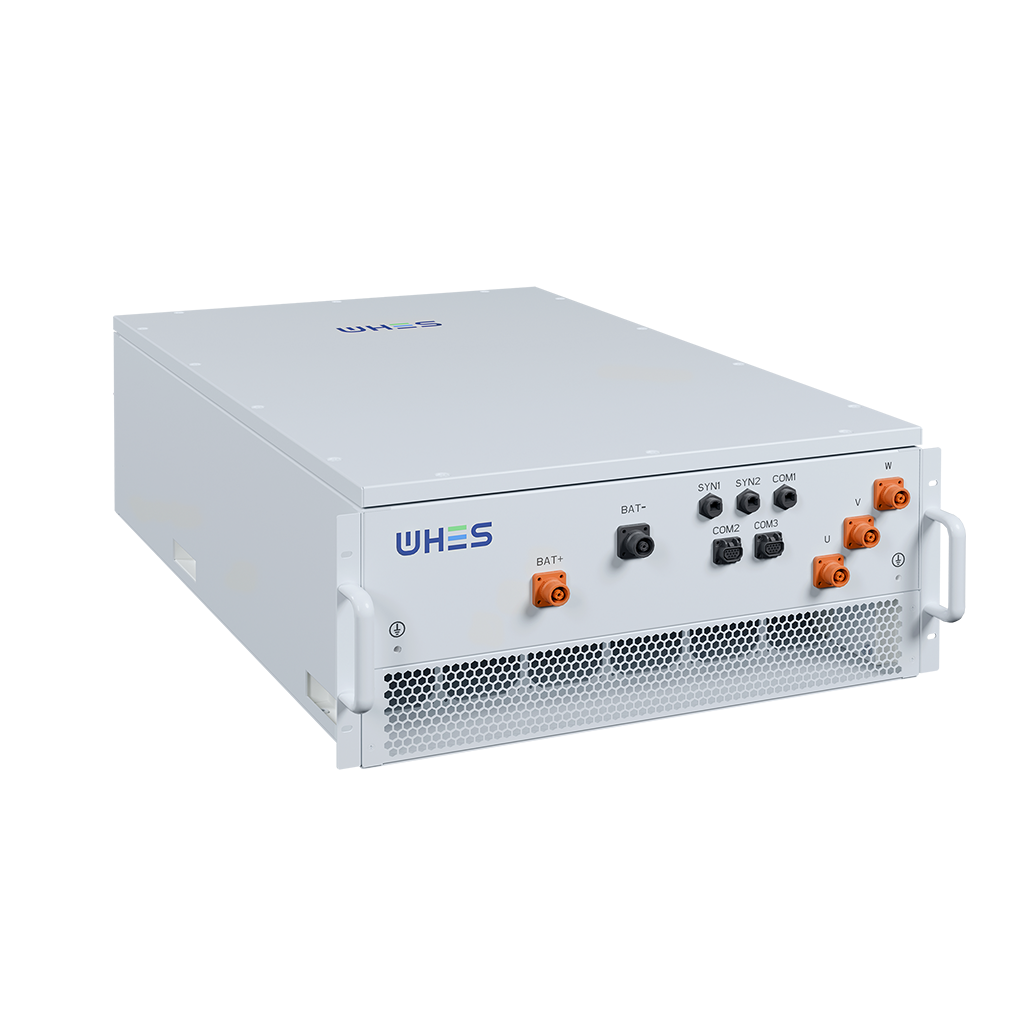
Where c&i energy storage providers add measurable value
Commercial & industrial solutions shine when they stitch together cell selection, enclosure design, and control logic into a single guaranteed performance envelope. Look for providers that offer integrated testing, clear thermal management specifications, and long-term service agreements — those elements turn a battery pack into a dependable asset. If you’re comparing vendors, prioritize systems with documented environmental test results and integrated controls rather than modular parts sold separately.
Three golden metrics for choosing the right strategy
1) Thermal performance band: the documented usable capacity and allowable C-rate across your site’s expected temperature range. 2) Validated cycle life under environmental stress: independent or vendor-backed testing that shows capacity retention after thermal cycling. 3) Integrated safety and control maturity: BMS functionality that includes thermal throttling, predictive diagnostics, and firmware maintenance plans. Those three metrics separate suppliers who promise from suppliers who deliver.
Bringing it together: how to evaluate vendors and installations
Ask clear questions, require environmental test reports, and demand a deployment plan that ties warranty to real operating envelopes. When the business risk is reliability and safety during ambient extremes, you want a partner who understands thermal engineering and system integration — not just cell procurement. For many facilities, that’s exactly the practical value a specialist provider like WHES brings to the table: tested systems, integrated service, and field-proven controls that align warranty with real-world performance. Practical, tested, and ready.
Practical, tested, and ready.