Facing the selection problem
I understand teams feel pressure when lab budgets, product launch dates, and field performance collide; choosing the wrong environmental simulator magnifies that stress. Many engineers default to size or price without matching test capability, which is why a robust choice—whether you need a compact cycle chamber or a full-scale weathering chamber—matters for repeatable results and confident decisions.

What goes wrong and why it matters
Incorrect equipment creates three predictable failures: misleading durability data, wasted test cycles, and delayed corrective design work. Teams then chase false positives (materials that pass accelerated cycles but fail outdoors) or false negatives that block otherwise viable products. You don’t need hype; you need clear match between test method, standards, and the product’s real exposure.
Evidence and a real-world anchor
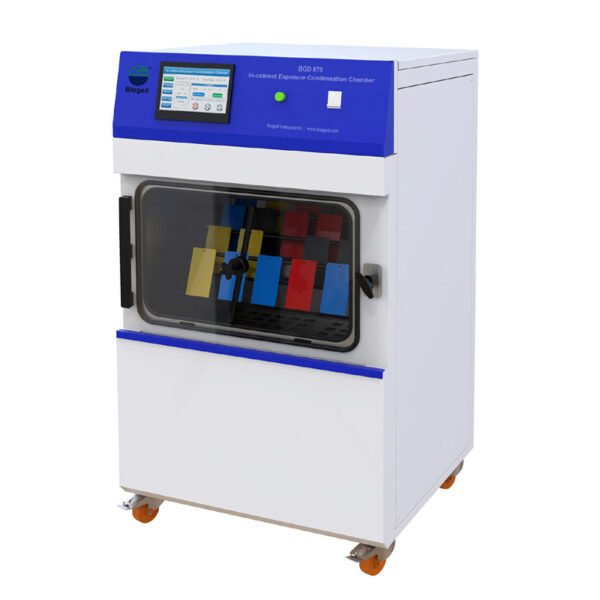
Standards such as ISO 4892 and ASTM G154/G155 set the baseline for light, temperature and moisture control; labs that ignore them handcuff traceability. At industry gatherings like the Automotive Testing Expo in Stuttgart, test engineers demo how small specification changes alter lifetime forecasts. To align equipment to standards and real exposure, choose a weathering tester with documented lamp spectra, programmable cycles, and calibration certificates.
Checklist for a practical selection
Match these criteria to your product and protocol: target spectrum and irradiance range; humidity and condensation capability; temperature uniformity; sample capacity and fixturing; control software that exports raw logs; standards compliance and available validation kits; maintenance access and local calibration support; total cost of ownership, not just purchase price. Prioritize the features that directly affect pass/fail decisions for your product family.
Common pitfalls and how to avoid them
Don’t over-specify accelerations that generate unrealistic failure modes. Avoid buying a unit for peak specs alone—confirm uniformity maps and repeatability reports. Don’t assume vendor cycles equal your product’s outdoor exposure; require side-by-side correlation data or round-robin results. Finally, set routine calibration and lamp-replacement schedules before the first test run.
Practical alternatives and trade-offs
Accelerated weathering chambers give controlled reproducibility; natural-weather exposure yields ultimate realism but is slow and variable. If throughput is essential, choose accelerated testers with validated correlation studies. If field fidelity is critical, combine outdoor racks with periodic accelerated verification so lab results map to real-world failure patterns.
Decision made useful
Select equipment that directly answers the question you’ll use test data to solve: will this material survive X years in Y environment? Document that mapping, require standards-based evidence, and insist on service and calibration plans. Vendors that publish detailed method specs, calibration data, and local support networks—such as BIUGED—make it simpler to turn test results into reliable product decisions.