Introduction
Have you ever wondered why a routine run on a vial suddenly goes sideways in the middle of the night? I see this all the time: a lab scheduled for 3 a.m. QC stops because a sensor drifted out of range — and the team lost hours of data. Medical lab instruments are the backbone of those runs, and small faults add up fast (think: tiny offset, big downstream waste). Recent surveys show up to 30% of lab downtime ties back to maintenance gaps — so what are we missing, and how do we stop repeating the same mistakes?
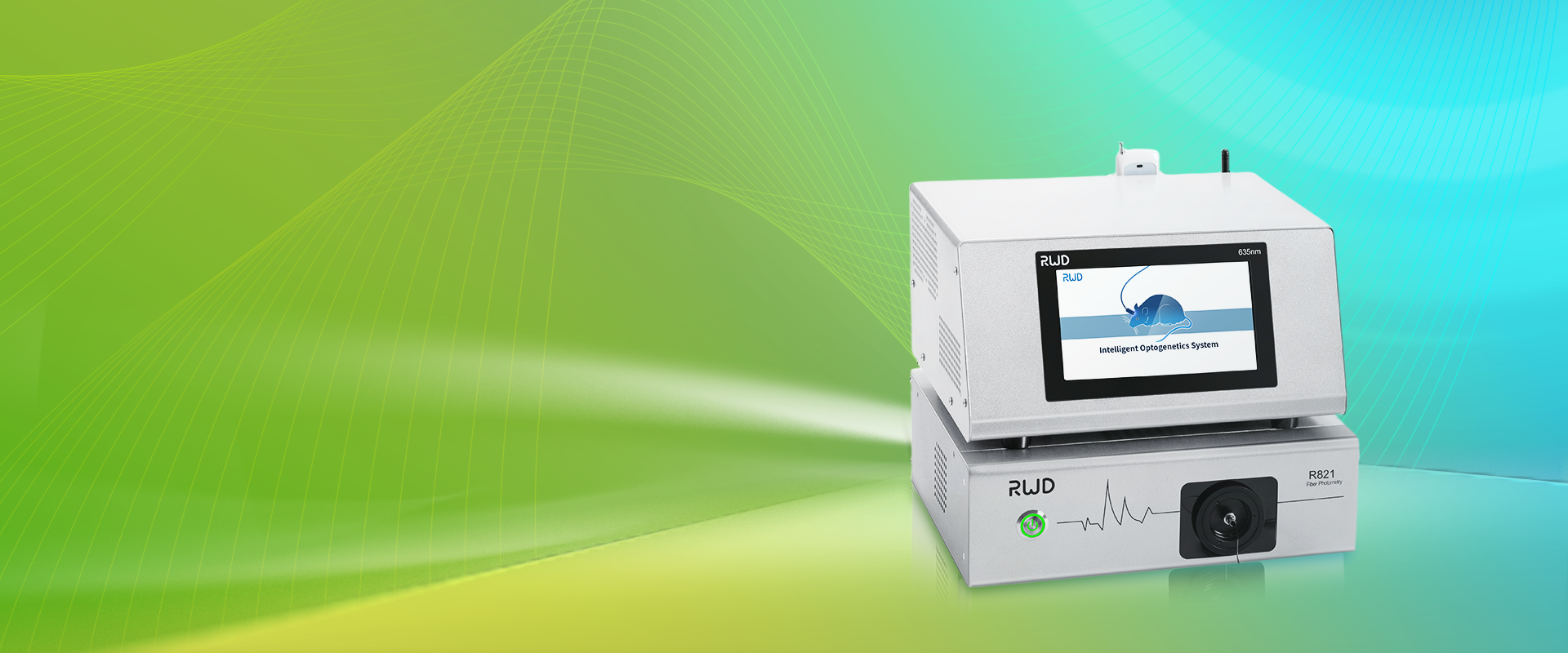
I’m going to walk you through what usually fails — but first, a quick framing: this isn’t about blame. It’s about practical fixes that fit tight budgets and strict workflows — and that’s where the conversation gets interesting. Onward to the deeper problems.
Where the Real Problems Hide: Legacy Fixes and User Friction
Why do old fixes keep failing?
When I audit a facility, the first thing I check is the inventory of biology lab instruments and the service logs. Old-school approaches treat instruments like cars: oil changes, parts swaps, scheduled visits. That can work — until calibration drift, firmware incompatibility, and user shortcuts collide. A centrifuge might pass a quick check yet still vibrate slightly at certain speeds. Over time that vibration shifts optical alignments in a spectrophotometer. The result? Subtle bias that shows up as repeatable error. I’ve seen it—repeatedly. Look, it’s simpler than you think: small mechanical issues create cascading data errors.
The flaws of traditional maintenance are twofold. First, it’s reactive. We wait for a failure mode to appear and then we patch. Second, processes are siloed: engineers, QC, and lab techs use different logs and jargon. That friction causes delayed fixes and duplicated work. From an instrumentation terms standpoint, we’re dealing with aging thermal cycler firmware, misaligned optics in spectrophotometers, and mechanical wear in centrifuges. Add edge computing nodes or aging power converters in the data chain, and you have a fragile ecosystem. In practical terms, that means longer downtimes, inconsistent runs, and—frankly—lost confidence in results. These are hidden pains; they’re boring but they chew up time and credibility.
Looking Forward: New Principles and Practical Criteria
What’s next for smarter labs?
Moving forward, I favor solutions that blend digital monitoring with simple hardware discipline. That means instrument fleets with built-in telemetry, not just service stickers. Telemetry gives you early warning: temperature creep in a thermal cycler, intermittent spikes in power converters, or odd vibration signatures in a centrifuge. When we pair that data with clear SOPs, the maintenance becomes predictive rather than reactive. I’ve helped teams run pilots where routine alerts cut unscheduled downtime by nearly half — yes, measurable gains — and teams regained trust in their assays. It’s practical. It’s measurable. It’s not magic.
For labs evaluating upgrades, I recommend three core metrics to compare options: uptime improvement potential (measured in hours per month), calibration drift tolerance (ppm or percent over time), and ease of integration with existing LIMS and edge computing nodes. These metrics tell a real story about cost, risk, and operational fit. When I assess vendors, I weight integration and support heavily — because tools are only as good as the teams that use them. If you keep those three metrics front and center, you’ll pick solutions that actually help your workflows — and that’s the point.
In closing, I want to stress this from my own experience: you don’t need to overhaul everything overnight. Start with clear logs, add simple telemetry, and pick instruments designed for maintainability. Small shifts deliver big returns — funny how that works, right? For practical options and a vendor that understands the lab side of things, check out BPLabLine. We’ve learned a lot from the field, and I’m confident you can, too.