Introduction — a speculative spark
Have you ever wondered what tools will look like on a platform moonbase—silent, safe, and oddly elegant?
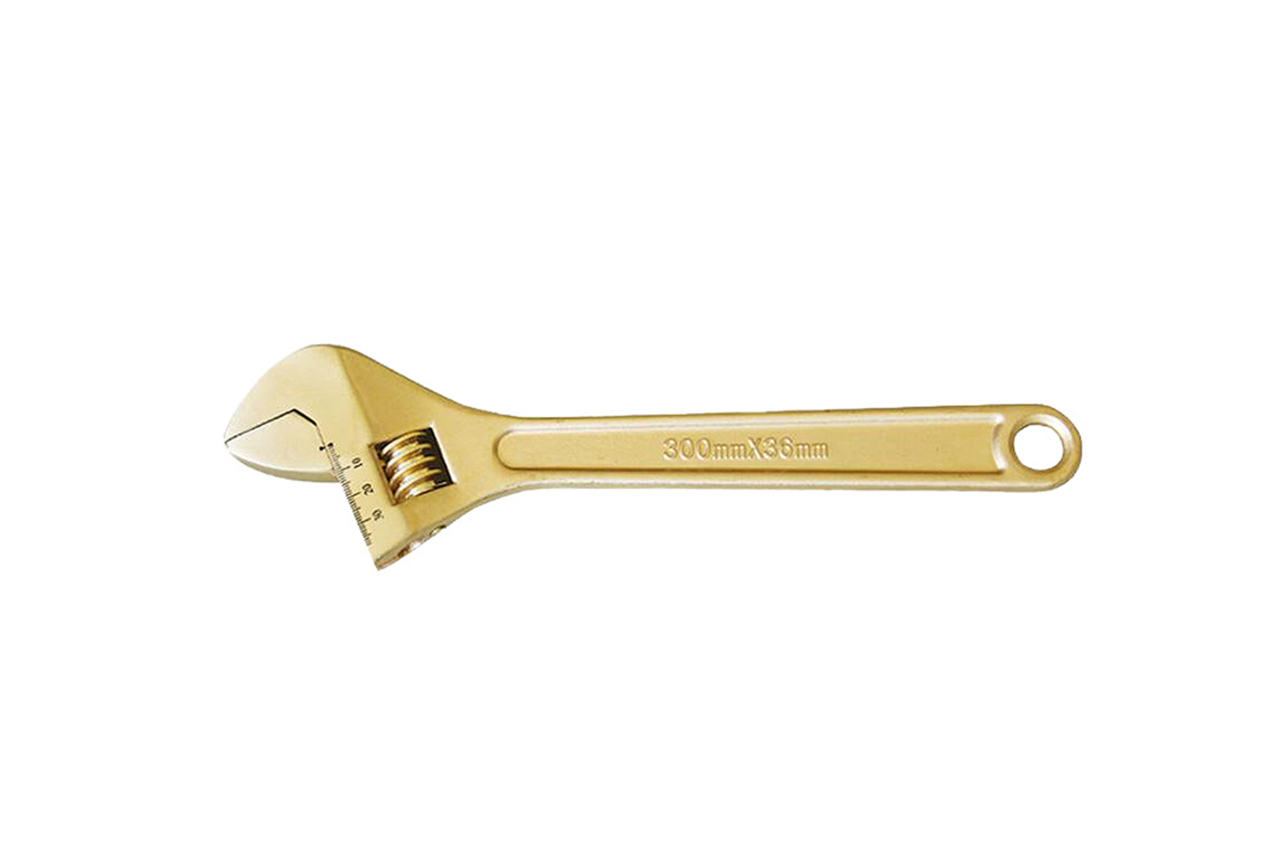
non sparking tools manufacturers are already rethinking metal and motion, using sensor feedback and spark-resistant alloys to cut risks. (I often picture technicians in low-gravity bays, adjusting power converters with calm concentration.) Recent field reports show a measurable drop in ignition incidents where intrinsic safety practices meet better hardware — so why do many teams still use old-school, heavy wrenches that can start a fire? That’s the question I keep coming back to as I test gear and talk to crews — and it leads us straight into the deeper problems behind surface fixes.
The real flaws in traditional approaches
non sparking tools suppliers get praised on spec sheets, but I’ve found the practical gaps quickly. First: many suppliers focus on one metric — material hardness or a single certification — while ignoring the system-level needs: wear patterns, maintenance cycles, and how tools interact with edge computing nodes in modern inspection rigs. Second: designs that rely on bulkier, non-conductive casings can trap moisture and grit, accelerating failure. Look, it’s simpler than you think — a smooth handle does more to prevent misuse than a 10-page spec sheet.
I’ll be blunt: ATEX certification or a label doesn’t guarantee real-world safety. The typical failure modes I see are human-centered — awkward grips, poor torque feedback, and untested replacement parts. Those cause friction, literal and figurative, and then a spark finds a way. We also run into supply-chain friction — inconsistent alloys, delayed power converters, and mismatched fasteners that were never designed to work together. These are not glamorous problems, but they are the ones that make a job go from safe to risky in minutes. — funny how that works, right?

So what’s the real snag?
It’s the mismatch between laboratory claims and site realities. I’ve been on jobs where a tool passed every bench test but failed within weeks under coarse dust and high humidity. Intrinsic safety measures must be integrated, not bolted on.
New technology principles and a forward look
Now let me shift gears and look forward. I believe the next wave will fuse material science with networked intelligence. Think modular heads made from spark-resistant alloys, combined with small sensors that report torque, angle, and temperature to nearby edge computing nodes. Those nodes can flag risky cycles before a spark happens. This is not science fiction — it’s a practical blueprint engineers and non sparking tools manufacturers are already exploring.
We’ll also see better human-centered design: grips shaped for real hands, tactile feedback that warns before over-torque, and standardized interfaces so parts and power converters are interchangeable across brands. When that happens, explosion-proof safety tools will move from being a feature to being the baseline in hazardous environments — and maintenance teams will thank you for it. I’m optimistic; I’ve handled prototypes that work, and they feel different in use (lighter, smarter — and less nerve-racking). The future is about systems, not single fixes.
What’s Next — practical choices
If you’re choosing tools now, consider these three metrics I use in the field: 1) System compatibility — will parts, sensors, and power modules actually work together? 2) Real-world durability — do they survive grit, heat, and repeated drops? 3) Usability data — do the tools give feedback useful to humans and to monitoring systems? Use those metrics to compare offerings side-by-side. I’ve run side-by-side trials and the differences are clear: some vendors advertise features; a few deliver integrated safety that holds up on day 1000.
We’ve covered what fails, why users hurt, and how smart tech can fix both. I leave you with one simple point: prioritize integrated design over isolated claims. For trusted gear that blends tested materials, sensor feedback, and sensible ergonomics, look to suppliers who build for the whole job. And if you want to explore models that match this approach, check out Doright — I’ve reviewed their kits and felt the improvement firsthand.