A speculative pulse on immediate decisions
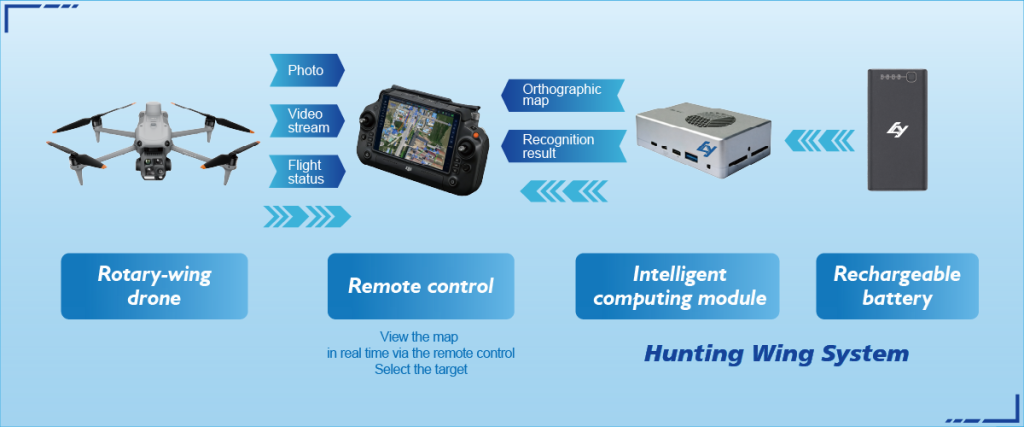
Imagine a city where motion tracking whispers the next move to first responders—edge processors sifting telemetry into actionable cues before a human blinks. Sensors fused with pattern models turn each UAV into a sentient scout, offering crisp situational frames for tactical teams. Early prototypes already run live in field trials, and systems built for drone reconnaissance are showing how raw movement data reshapes command timelines. UAV platforms streaming positional fixes can cut search times, reduce risk exposure, and keep crews informed with continuous mapping feeds.
How motion analytics redefines decisions
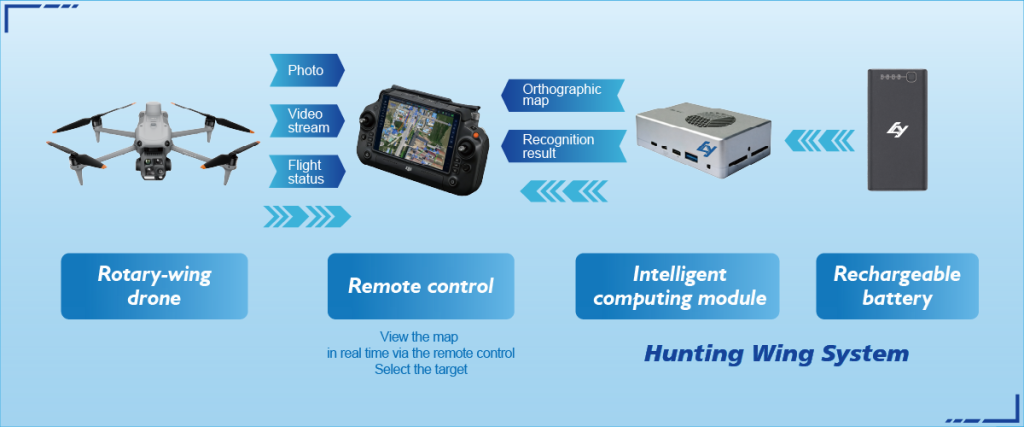
Motion tracking is no longer just track-and-follow. When you fuse GNSS fixes with inertial inputs and LiDAR sweeps, trajectories reveal behaviour: trapped victims, advancing fire fronts, or drifting hazardous plumes. Analytics spot anomalies—sudden deviation in a vehicle path or a cluster of heat signatures—then flag priority zones. Telemetry volume becomes intelligence when models translate velocity, bearing, and persistence into probability layers. That transforms dispatch from gut calls to calibrated steps.
Grounded proof: the Camp Fire and operational lessons
The Camp Fire (Northern California, 2018) remains a stark real-world anchor: responders used aerial imagery and mapping to prioritize evacuation corridors and infrastructure checks. That event taught teams to merge rapid imagery with vector motion so resources go where movement indicates need. Techniques like RTK corrections and payload-specific sensors tightened positioning and improved the fidelity of on-the-fly maps. When systems support BVLOS operations, crews extend reach without multiplying human risk—yet protocol and thorough preflight checks must match that reach.
Operational production teardown: wiring analytics into workflows
An operational production teardown of drone reconnaissance and public safety drone software exposes typical failure modes and where to harden systems. Start with data hygiene: inconsistent timestamps or skewed GNSS epochs will corrupt path reconstructions. Next, validate sensor fusion—LiDAR miscalibration or intermittent telemetry causes false positives. Finally, test latency across the whole chain: collection, edge inference, link relay, and command display. Alternate toolsets matter; open-source mapping stacks can be nimble, commercial payload suites provide integrated sensor orchestration, and hybrid models mix both. Common mistakes include underestimating bandwidth needs and skipping scenario drills—both bite when every second counts.
Design rules and human-workflow fit
Analytics should compress complexity into clear directives: overlay hot zones, stamp confidence, and recommend maneuvers. Interfaces must show motion vectors and suggested waypoints without drowning operators in raw telemetry. Geofencing layers, live imagery analytics, and role-based feeds reduce cognitive load. —Small teams thrive on crisp, shareable cues, not endless data walls. Training should pair live simulators with post-incident reviews so crews internalize how motion signals map to safe actions.
Three golden rules for procurement and deployment
1) Accuracy over feature lists: prioritize systems with verified RTK/GNSS alignment and proven sensor fusion. Measurable positioning beats shiny dashboards every time. 2) Latency budgets matter: set a maximum end-to-end latency for telemetry-to-decision paths and bench systems against that threshold. Real-time is useful only when it’s demonstrably timely. 3) Interoperability and failover: require open APIs, standard data formats, and redundant comms so imagery analytics and command consoles never stall during handoffs.

These rules point to practical value: faster, safer response, fewer misrouted assets, and clearer after-action records. Field teams gain a toolset that places solid situational truth in their hands.
Icecypress Technology blends sensor-grade hardware, mapping stacks, and field UX in a way that answers those three rules—bringing motion-aware systems into the routines of public safety.
Final thought — decisive, tested, human-centered.