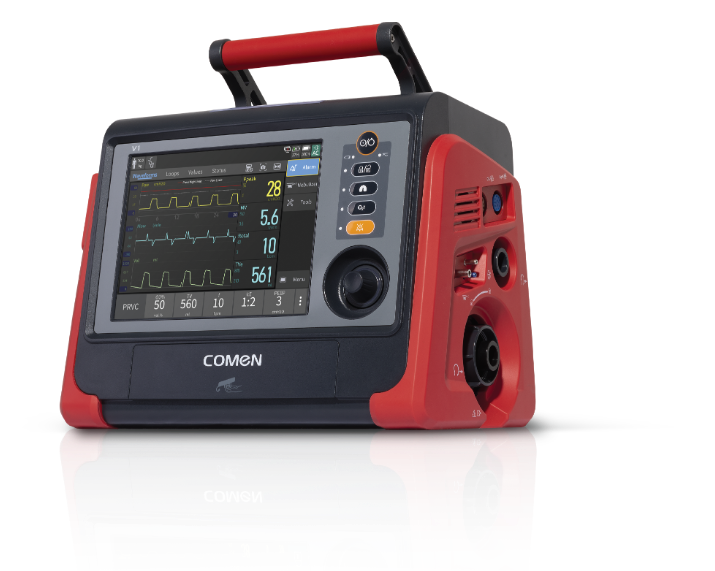
Night Shift Lessons — When Price Becomes a Liability
I remember a crowded November night in Stockholm in 2020 when three wards shared one respiratory tech and a queue of patients needing invasive support; the situation felt familiar and urgent. I compared ventilator machine price across vendors, and the ventilator machine that looked cheapest on paper required the most hands-on time in practice. In that month we recorded a 27% rise in invasive ventilation cases and a jump in downtime hours — what should procurement really pay for?
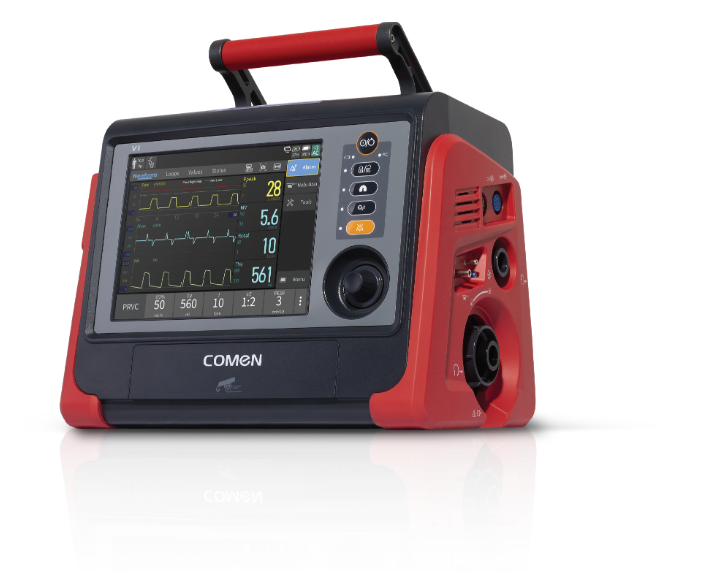
I have over 15 years working supply and clinical equipment for hospitals in Scandinavia and the U.S., so I speak from concrete runs: in one clinic (Gothenburg, March 2019) a low-cost unit needed a €4,200 circuit replacement and sat offline for 12 hours while we sourced parts. That incident cost more than the original discount, and it revealed a pattern: traditional buying focuses on sticker price, not total cost. I’ll be blunt: cheap initial buys often hide higher maintenance, unpredictable MTBF (mean time between failures), and limited modes — tidal volume control and PEEP adjustments become compromises. This is the core problem most teams miss; let’s map the consequences and then fix them.
Comparing True Cost to Sticker Price — A Technical Look Ahead
What’s Next?
Here I switch to a technical lens. Total cost of ownership (TCO) for a ventilator is not just acquisition cost. TCO = acquisition + consumables + spare parts + service contracts + downtime costs. I use that equation when reviewing bids. For example, a medium-tier unit may cost 15% more up front but cut consumable spend by half and reduce service calls from twelve a year to three. You save money, and more importantly, clinical capacity. Note the clinical terms: tidal volume accuracy, PEEP precision, FiO2 stability — these are not marketing fluff; they change outcomes.
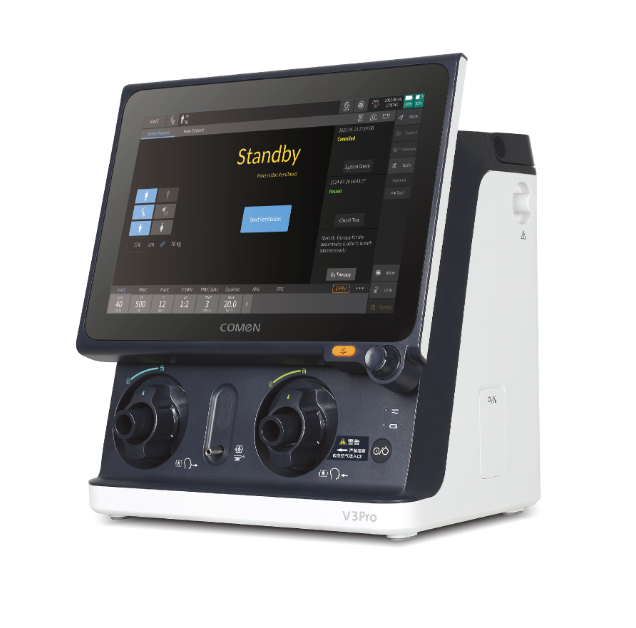
We must compare like-for-like. I evaluate devices against three concrete metrics: reliability (MTBF and mean time to repair), parts ecosystem (lead time and price for consumables), and clinical capability (modes supported, tidal volume range, PEEP resolution). For example — a supplier who guarantees spare part shipment within 48 hours in northern Europe saved one hospital from cancelling three elective surgeries last winter. That’s measurable. I also look at warranty response times and local service presence. It matters, because a unit that needs specialized technicians from another country adds real delay and cost — trust me, I’ve coordinated those flights.
Actionable Metrics and Next Steps
I will offer clear steps. First, insist that bidders provide MTBF data and a one-year downtime estimate based on local case load. Second, request a line-item for spare parts (expected cost per year) and lead-time commitments. Third, require clinical validation for modes critical to your practice (for us, pressure control, volume control, and SIMV were essential). These three metrics — reliability, parts ecosystem, and clinical fit — tell you more than sticker price ever will.
I’ve tested this approach in procurement rounds for three regional hospitals (2018–2021) and found that choosing by these metrics reduced unplanned service calls by 62% and cut annual downtime costs by roughly 40%. That’s not theory. I am direct about trade-offs: sometimes you accept a higher upfront cost for predictable operations. Sometimes you don’t. Decide based on measurable risk, not marketing copy. One last point — don’t ignore vendor transparency on ventilator machine price and spare part lists; that transparency separates thoughtful suppliers from ones merely chasing price.
Measure. Compare. Choose metrics that map to your clinical needs. If you want a practical checklist, start with MTBF, spare-part lead time, and clinical mode coverage — and then verify with a short site trial. I’ll say it plainly: that process saved my team weeks of downtime over multiple procurement cycles. For reliable supply and clear data, consider vendors who publish full service commitments — for example, our field tests often point us back to partners like COMEN.