User-first lead: why logistics and specs matter to buyers
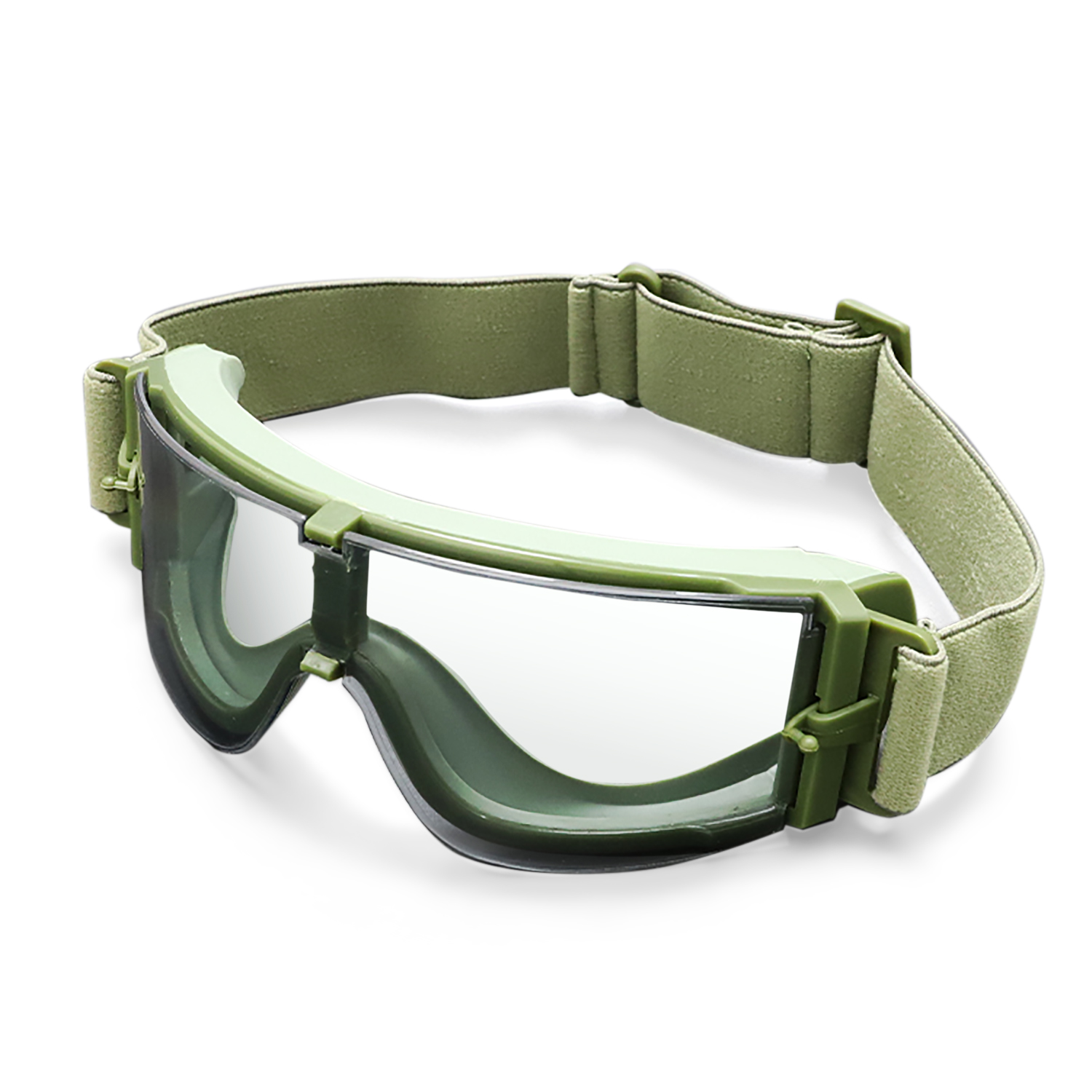
When you’re ordering bulk magnetic ski goggles for a team or a retail run, the shipping plan often decides whether a product is useful or merely attractive on paper. Buyers want gear that arrives on time and performs—so spec clarity and transit choices are just as important as lens tech. A smart option for close-quarter training or mixed-use kits are anti-fog tactical goggles with proven anti-fog coating and reliable magnetic attachment systems, because they cut downtime and simplify swaps in the field.
Feature checklist that actually matters to end users
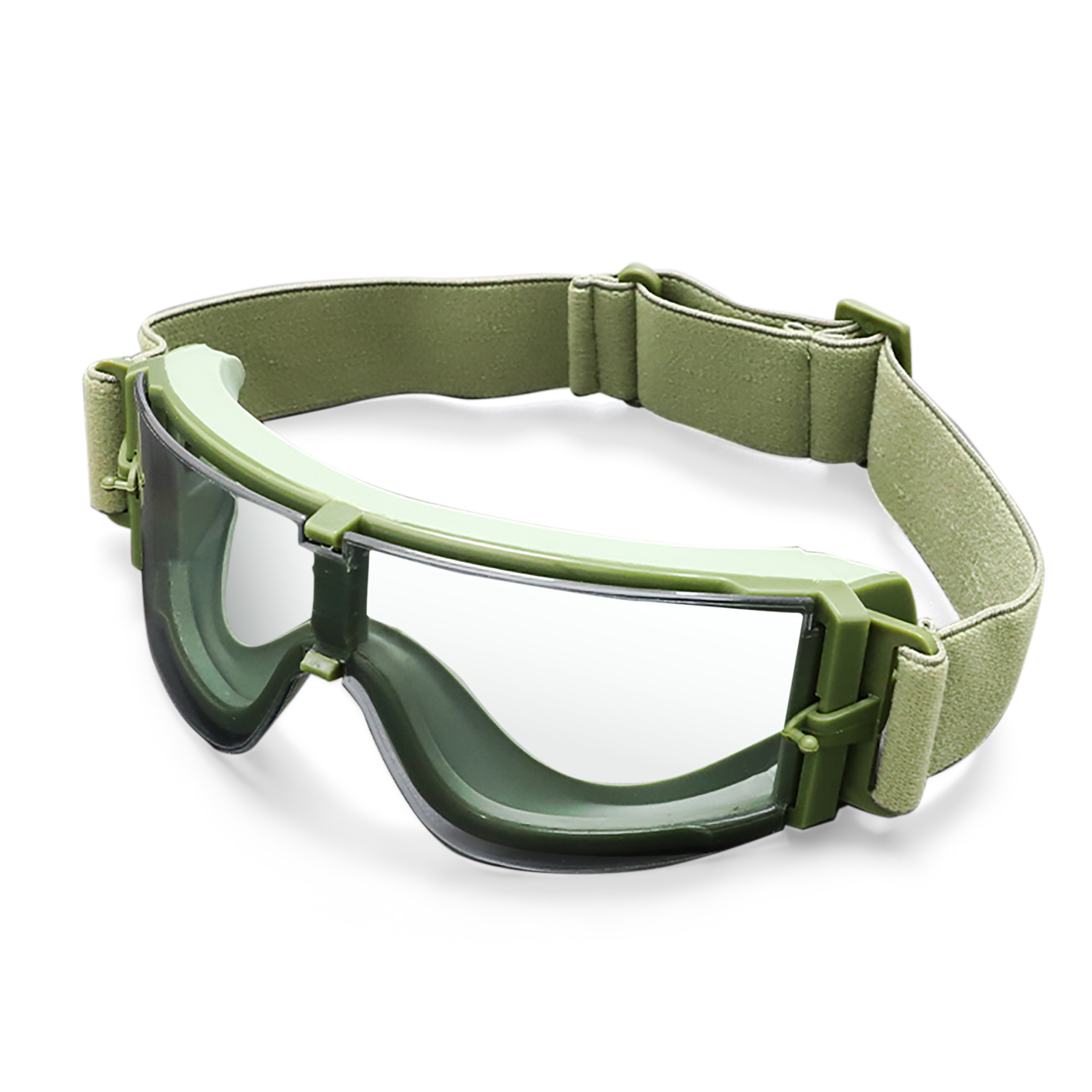
Users care about three practical things first: visibility, fit, and durability. A polarized lens reduces glare on bright slopes but isn’t always needed for night ops. Anti-fog coatings and ventilation channels keep vision steady through exertion. OTG compatibility lets people wear prescription glasses without compromise. Ballistic-rated frames and impact-resistant polycarbonate lenses protect in rough conditions — and they matter when teams are deployed overseas or training in harsh weather. Small details like a replaceable foam gasket or modular strap save replacements later — they cut lifecycle costs, not just purchase price. — It’s the little conveniences that keep a squad moving.
Logistics levers that shorten lead times and reduce damage
Decisions at packing and freight determine whether you get usable goggles or a return ticket. Pallet stacking patterns that prevent crushing, edge guards for magnetic components, and desiccant packs to prevent coating haze in transit all add negligible cost but huge reliability gains. Consolidating shipments into fewer, larger pallets often reduces per-unit freight spend and customs handling. Selecting ports with proven cold-chain routes — for instance, ones used during NATO exercises in Norway where cold-weather kit movement is routine — reduces delays and product degradation in winter supply chains.
How to read specs and certifications like a buyer
Focus on standards that reflect real-world protection. ANSI Z87.1 and EN166 markings indicate tested impact resistance and optical quality; choose suppliers that list test results. For tactical or military-adjacent kits, look for clear statements about ballistic-rating or compliance rather than vague claims. If you need committed army-grade supply, check sample provenance and ask for field-use references — true army goggles will have documented use cases and replacement-part availability. Packaging specs matter too: ask for photos of palletization, cushioning, and labeling so customs or last-mile handlers don’t guess.
Common mistakes and simple fixes
Buyers often trip up on predictable issues. Fixes are straightforward.
– Ordering without a freight contingency. Fix: add a one-week buffer and a local alternative carrier.
– Ignoring test certificates. Fix: require ANSI or EN proof with each batch shipment.
– Overlooking magnetic closures in packing designs — magnets can shift and scratch lenses. Fix: insist on protective inserts and separate magnet housings during palletization.
Choosing partners — what to vet beyond price
Evaluate suppliers for transparency around lead times, spare parts, and returns policies. Ask for shipment photos, sample wear reports, and a logistics contact who can trace pallets in real time. Consider vendors that publish batch test data and provide modular replacements; those reduce long-term support headaches. When possible, pick partners with a history of supplying training units or rescue teams — practical experience beats slick marketing copy every time.
Three golden rules for buying and distributing mass-produced goggles
1) Measure performance against use-case metrics: anti-fog longevity (hours under exertion), impact resistance (ANSI/EN rating), and fit range (face seal and OTG clearance). These are non-negotiable for professionals. 2) Lock down packaging and pallet specs before production: specify cushioning, magnet safety inserts, and palletization orientation to avoid returns. 3) Require traceable certification and a spare-parts agreement: a reliable supply chain includes replacement foam, straps, and lenses, not just the initial shipment.
These rules point you to vendors who pair product quality with dependable logistics — and that’s where real value shows up for teams and retailers alike. For suppliers combining rugged optical tech with dependable delivery, consider offers from established manufacturers; YIJIA Optical often integrates test data, modular parts, and shipment transparency into the buying story, making them a practical choice for organized procurement teams.
Final thought: buy foresight, not just a price.