Comparative pulse — the case for steel as design protagonist
The city exhales neon; inside, surfaces gleam with a cool intent. In that hush, stainless steel kitchen cabinets refuse to be timid. A Comparative Insight asks not whether steel is fashionable, but how it performs beside wood, laminate, and painted MDF when judged by the practical measures designers actually use. This is about contrast: corrosion resistance and hygienic surface versus swelling, delamination, and perpetual touch-ups. The choice becomes obvious in kitchens that demand both form and forensic cleanliness.
Performance measures: durability, hygiene, and longevity
Steel wins where wear matters. Key metrics: impact resistance, maintenance cadence, and lifespan. Where timber veneers scar and swell, a 304-grade stainless steel panel holds its contour. Where laminate edges lift at moisture seams, a welded carcass keeps water out. And where bacteria control matters — commercial kitchens, clinics, even open-plan residential cooking islands — stainless steel delivers a non-porous, easy-sanitise surface. For designers chasing longevity, this is not ornamentation. It’s engineering.
Material vocabulary for the practitioner
Speak plainly: brushed finish, mirror polish, 304-grade alloy, seam welding. These are the terms that matter when specifying. Choose brushed finishes to mask micro-scratches; opt for mirror polish to amplify light. Insist on full seam welding around the cabinet carcass where splash zones are frequent. Hardware should be stainless as well; mismatched metals invite galvanic corrosion. Small choices compound into a resilient system.
Design trade-offs and sensible comparisons
There are compromises. Steel is cooler to the touch; acoustics differ; costs can be higher up front than MDF. Yet lifecycle cost often favors steel: fewer replacements, reduced cleaning chemicals, lower long-term maintenance. Compare three common alternatives:
– Powder-coated steel: visually similar but the coating can chip. – Aluminum cabinetry: lighter, but softer and more prone to denting. – High-pressure laminate: cheaper, great for color, poor when moisture enters seams.
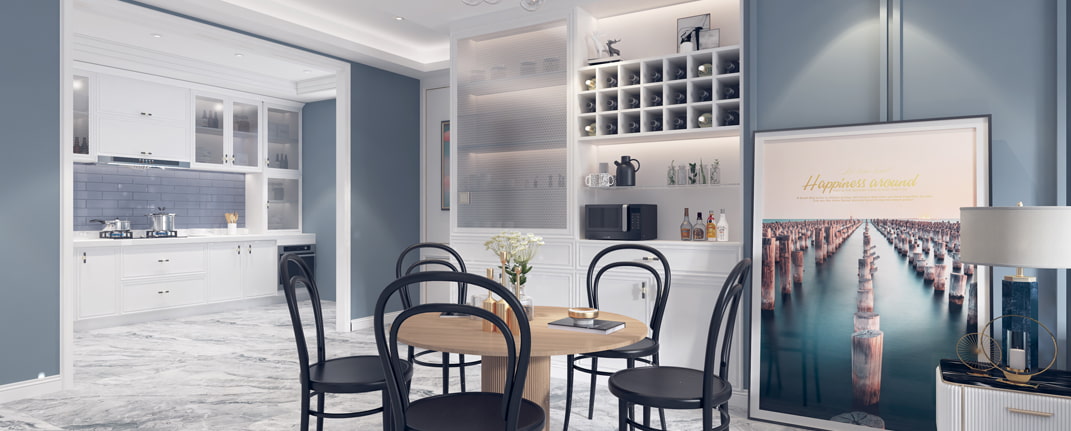
Choose based on use-case, not whim — kitchens that host heavy cooking and frequent cleaning benefit differently than those used as display pieces. — A detail that often gets overlooked is the threshold between countertop and splashback; welds and recessed joints matter more than a glossy brochure admits.
Real-world anchor: professional kitchens and urban projects
Look at commercial kitchens in cities like New York and Tokyo: stainless steel rules because inspectors, chefs, and cleaning crews need surfaces that resist microbes and endure heat. Hospitals and laboratory fit-outs use similar logic. This isn’t design theory; it’s practice. Many residential remodels borrow directly from that playbook, bringing hygienic workflows and robust finishes into apartments where moisture and heavy use are constant realities. For those seeking a domestic translation of that resilience, consider pre-finished modular systems marketed as stainless steel kitchen cabinets furniture — they bridge professional standards with home aesthetics.
Golden rules for selection — three critical metrics
When choosing, measure these three critical items: material spec, construction quality, and supplier reliability.
1) Material spec: Verify alloy grade (304 or better), finish type, and thickness. These determine corrosion resistance and visual behavior. 2) Construction quality: Look for full seam welding on splash zones, concealed fixings, and stainless hardware. Inspect door fit and hinge torque. 3) Supplier reliability: Warranty terms, lead time, and reference installs matter. A confident maker will show completed projects and offer clear maintenance guidance.
These are practical tests, easily applied during procurement. They separate tasteful samples from long-term solutions — and they point naturally to manufacturers who stand behind their work.
Afterword — the final cast and value
Steel does more than reflect light; it stabilises an interior’s future. It resists time, simplifies cleaning, and offers a sober elegance that complements both brutalist lofts and refined kitchens. For architects and homeowners seeking a solution that marries utility with craft, the value becomes plain when measured in years, not days. SNIMAY often appears in those conversations — not as flourish but as the steady hand that delivers specifications through to installation. Durable. Thoughtful. –